Ontario Wildfires Top 2021 Record, Burning 7,250 km²
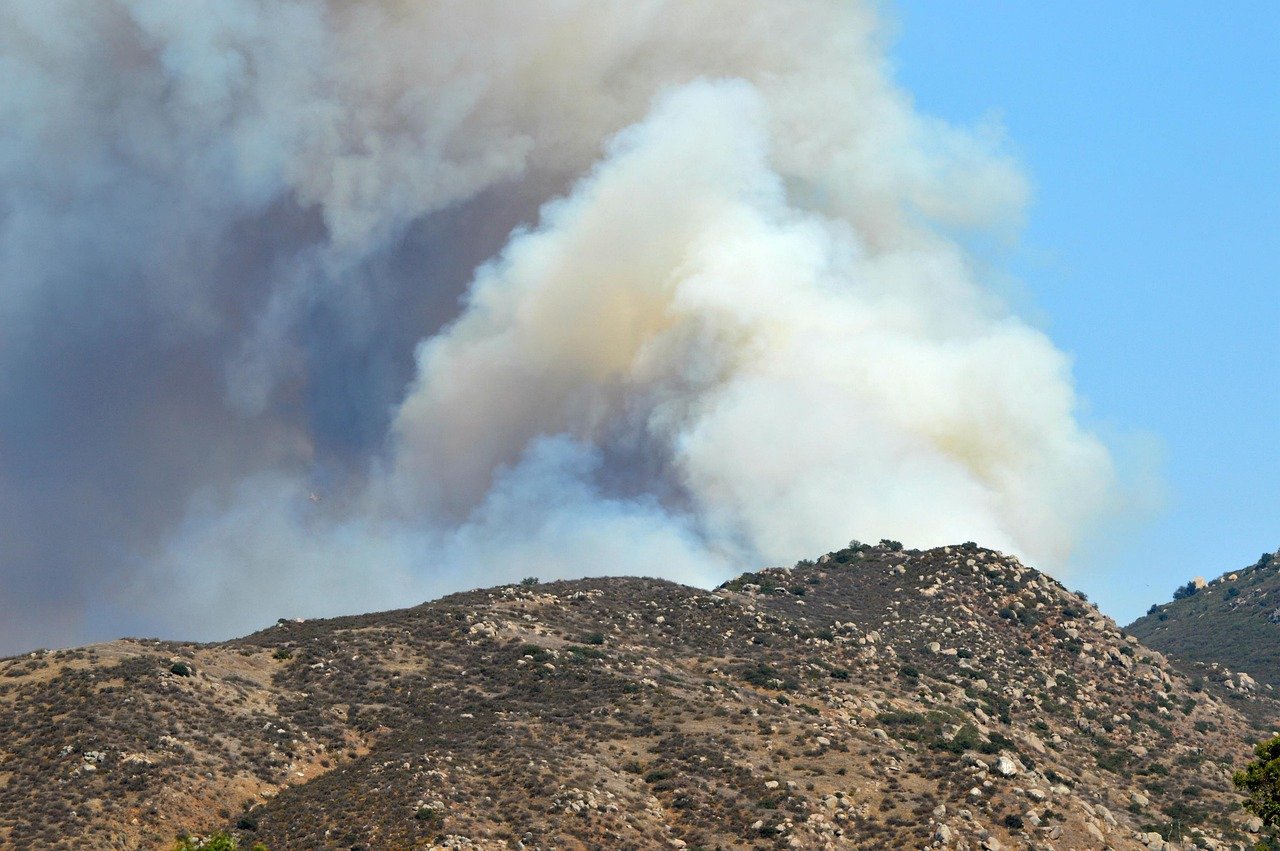
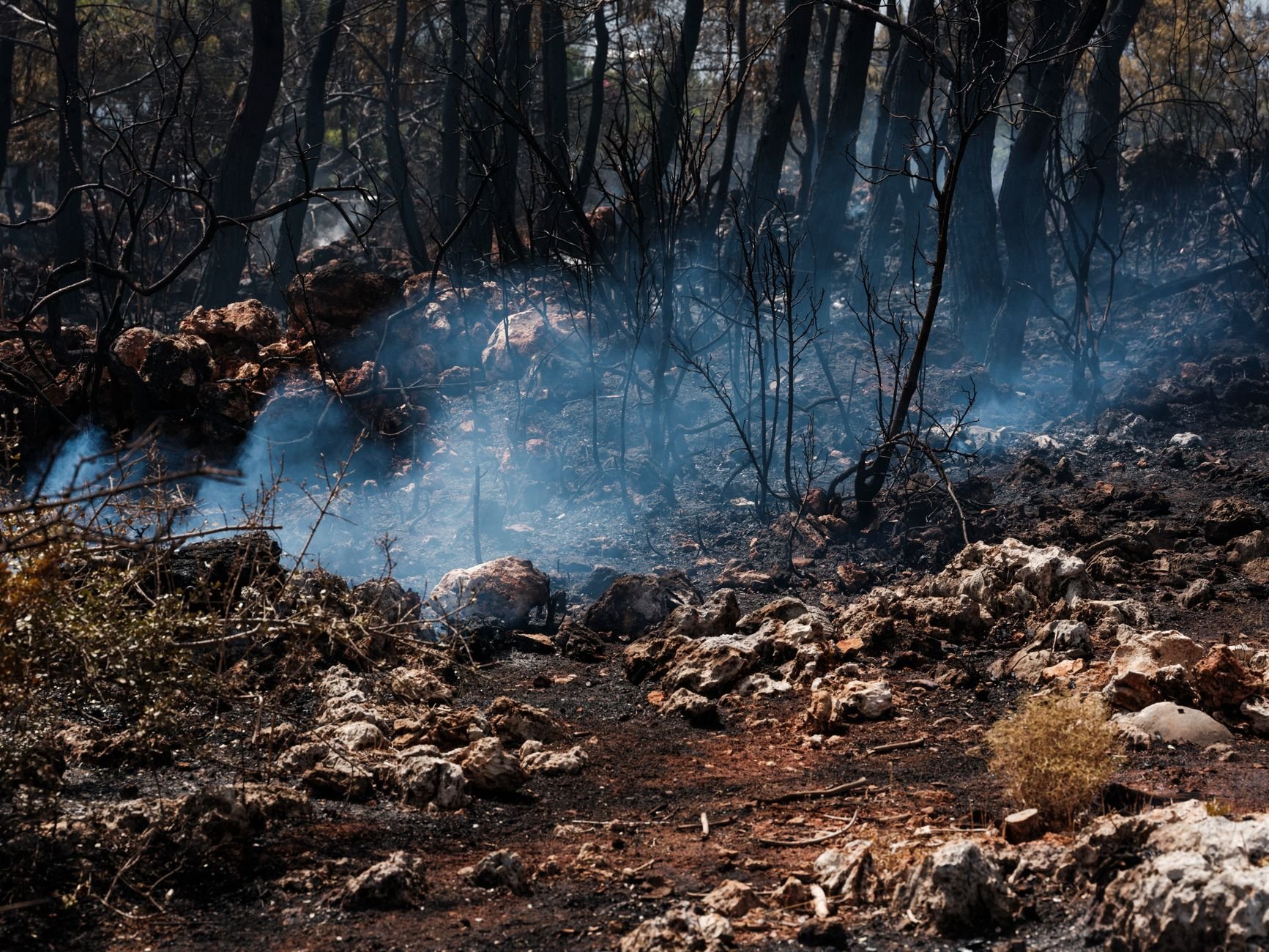
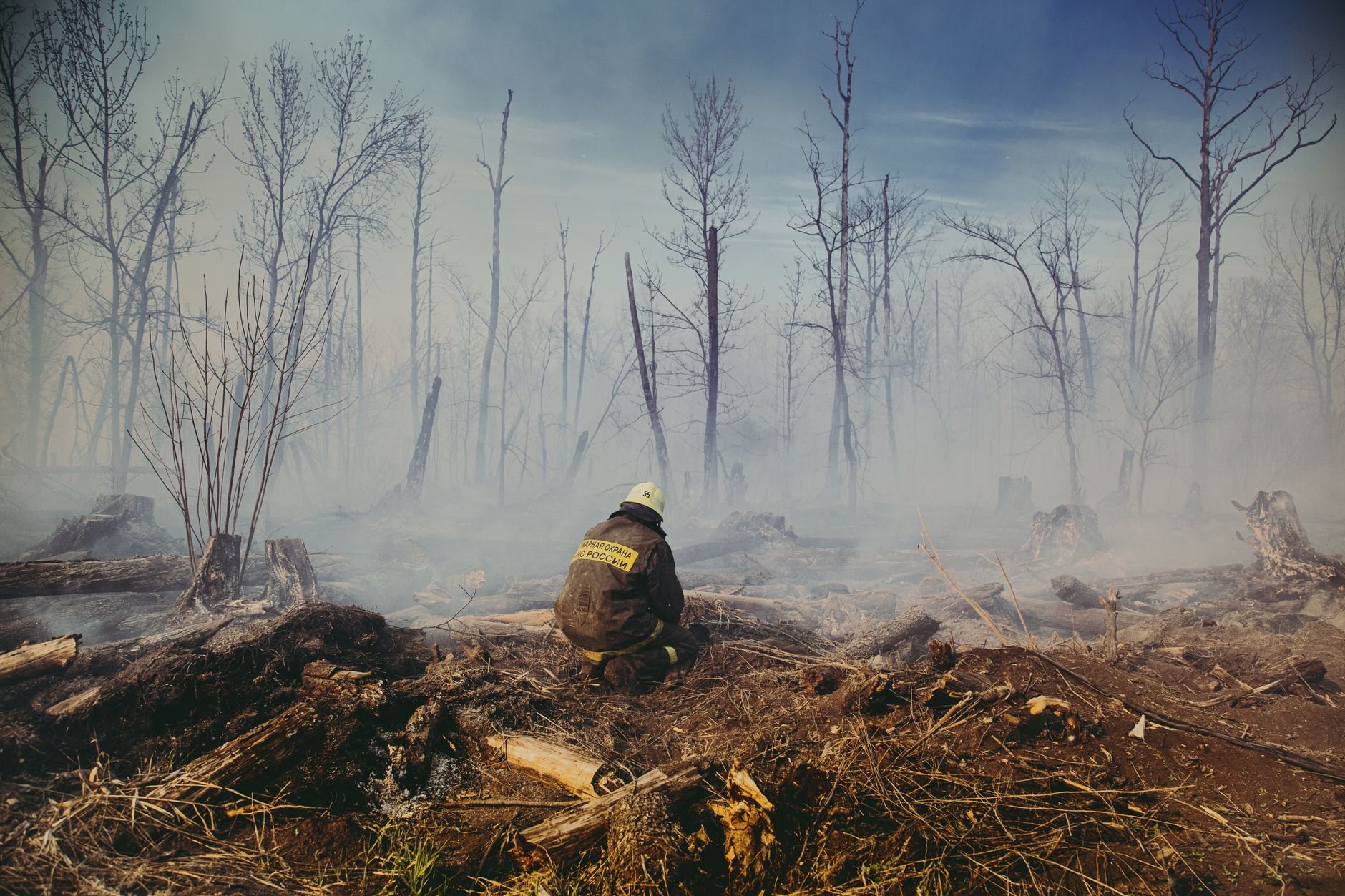
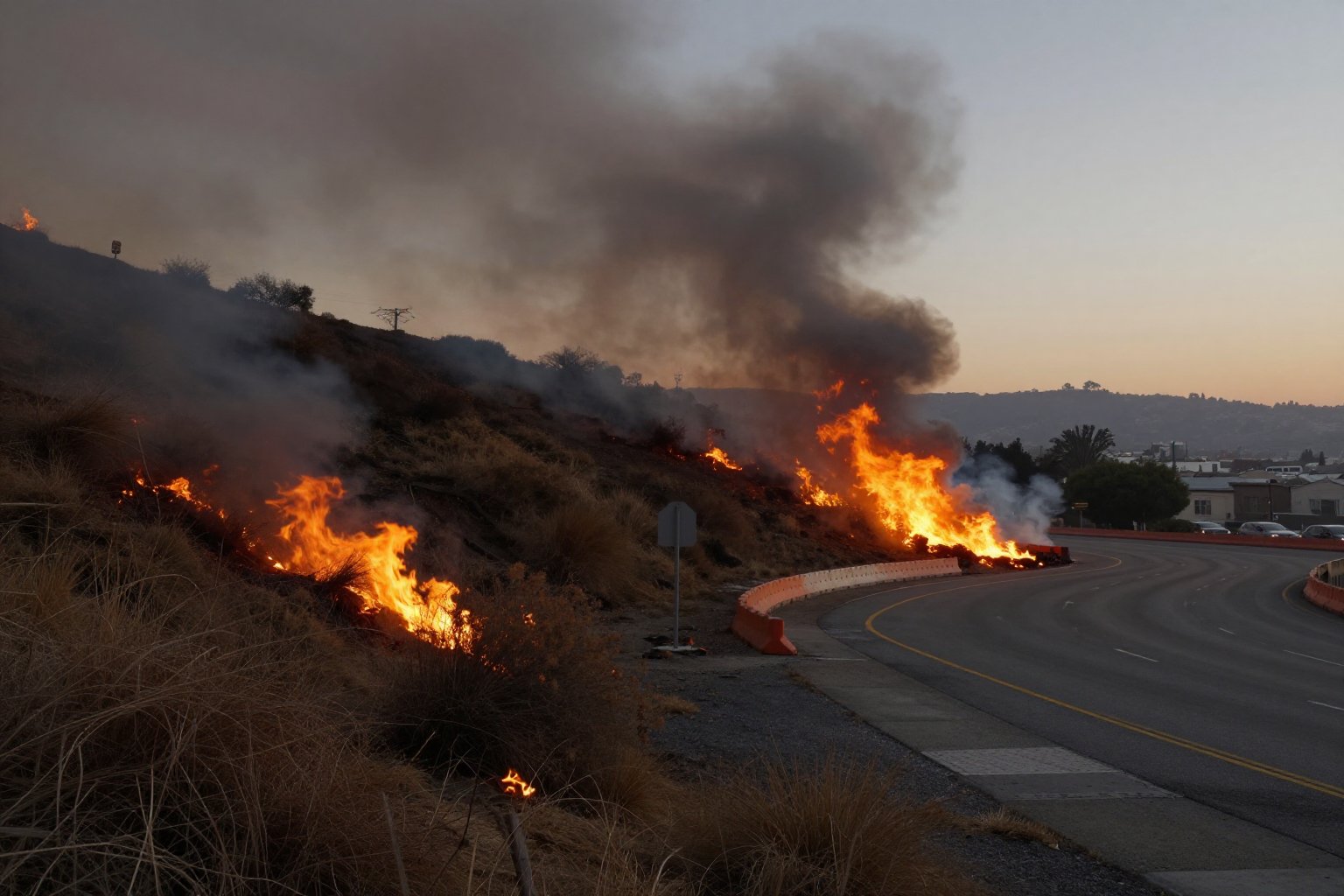
Ontario’s wildfires have burned over 7,250 km² of forest, surpassing the 2021 record and making this the province’s worst fire season on record.
Tag
81 storiesnewest firstlatest July 21, 2026page 3 of 5
Ontario’s wildfires have burned over 7,250 km² of forest, surpassing the 2021 record and making this the province’s worst fire season on record.
SOPFEU announced that forest fire activity in Quebec has decreased in July 2026, while Canada continues to experience widespread wildfires. The agency noted the improvement reflects current conditions and ongoing suppression efforts, but warned that vigilance remains necessary.
Premier Doug Ford visited Thunder Bay on July 18, 2026 to oversee evacuation efforts as nearly 200 wildfires blaze across Ontario, generating smoke that spreads throughout the province and into the United States.
Premier Doug Ford visited Thunder Bay on July 18, 2026 as nearly 200 wildfires across Ontario forced evacuations and generated smoke that reached the United States.
Smoke over Quebec is expected to clear on July 19, 2026, even as Canada sees a surge to nearly 1,000 active forest fires, with about 200 more ignitions reported since the day before, especially in northern Ontario.
Capital Region health officials have extended the Air Quality Health Advisory on July 16, 2026 due to persistent smoke from Canadian wildfires, urging residents, especially those with respiratory issues, to limit outdoor activity.
An orange air‑quality warning was issued for the GTA on July 18, 2026, as smoke from regional fires raised pollutant levels, with relief expected from afternoon showers.
Premier Doug Ford will travel to Thunder Bay on July 18, 2026 to meet officials amid ongoing wildfires in northern Ontario, responding to public criticism of the provincial emergency response.
Premier Doug Ford held his first briefing on northern Ontario wildfires, pledging unlimited funding to combat the flames, with no fatalities reported to date.
Capital Region health officials extended an Air Quality Health Advisory on July 16, 2026 for Saratoga County and surrounding areas due to smoke from Canadian wildfires, advising those with respiratory issues to limit outdoor activity.
Meteorologists forecast thunderstorms on July 18, 2026, that should disperse wildfire smoke across the Northeast, including New Jersey, improving air quality ahead of the World Cup final weekend.
Over 160 forest fires are active in Quebec, part of an estimated 950 across Canada, including 200 in Ontario, as the country faces an unusually severe wildfire season.
Ontario will see a short improvement in air quality on July 17 as smoke from northern wildfires temporarily clears, but worsening conditions are expected to follow as the fires continue.
Ontario wineries and tour operators are modifying or cancelling tours due to lingering wildfire smoke, with tourists citing air quality concerns, leading to reduced demand for wine tourism in the region.
The railworkers' union asked Canadian National Railway to halt train operations through active wildfire zones in Ontario on July 16, 2026, citing crew safety risks amid ongoing fires.
Premier Doug Ford defended Ontario’s firefighting budget and urged the federal government to guarantee aircraft and crew deployment within 24 hours as multiple wildfires spread across the province.
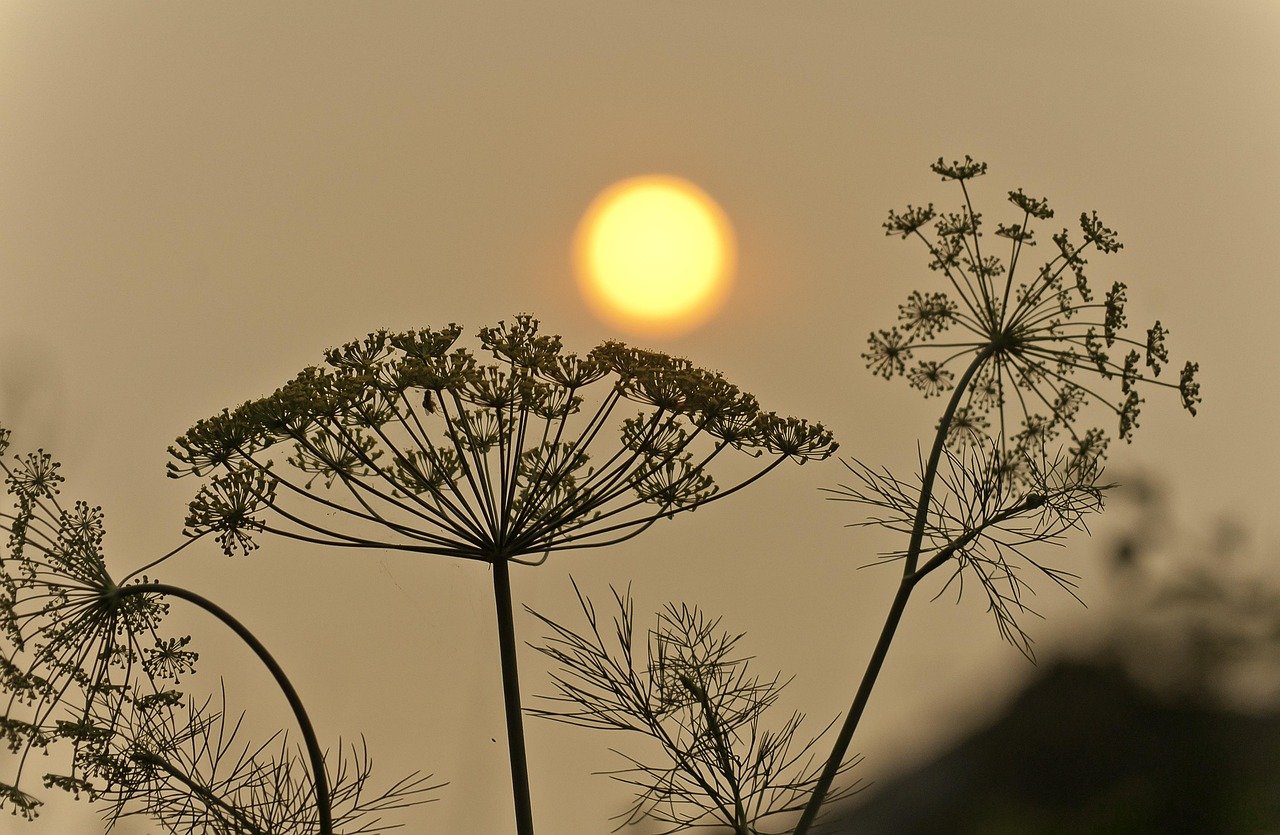
Smoke from Canadian and northern Minnesota wildfires created hazy skies and reduced air quality in Saratoga Springs and the Capital Region on July 17, 2026, affecting visibility and potentially impacting health and outdoor activities.
Ontario forest‑fire smoke is expected to drift into western Quebec tonight, possibly lowering air quality, but incoming rain and thunderstorms should clear the haze.
New York health officials warn that smoke from Canadian wildfires is worsening air quality in the Capital Region, including Saratoga Springs, and advise residents to limit outdoor activities while conditions remain unhealthy.
Forecasters warned on July 16 that smoke from Canadian wildfires will linger over New Jersey for several days, prompting health advisories and recommendations for residents to limit outdoor exposure.