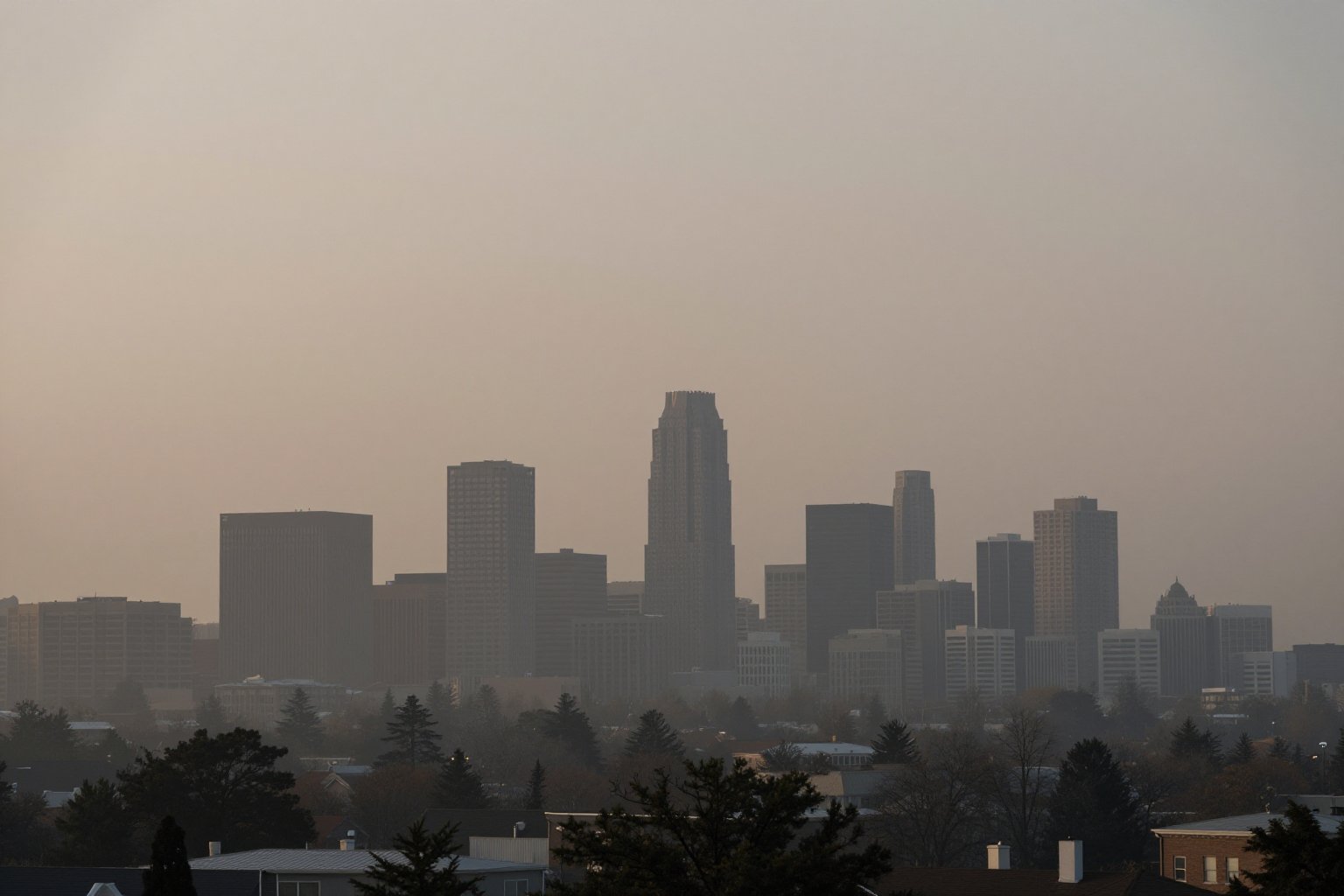
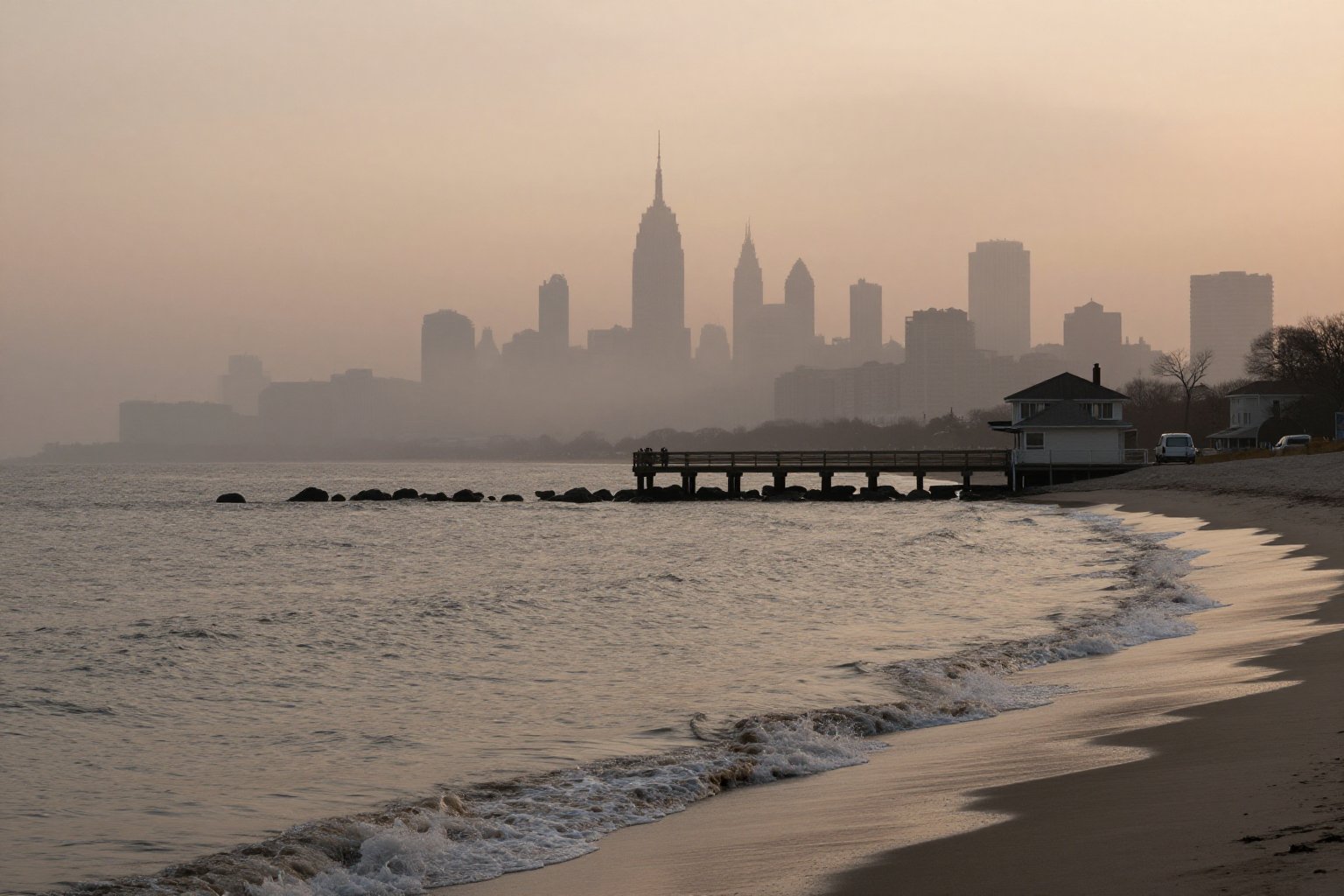
Fog and Pollution Push Chicago Air Quality to Unhealthy for Sensitive Groups
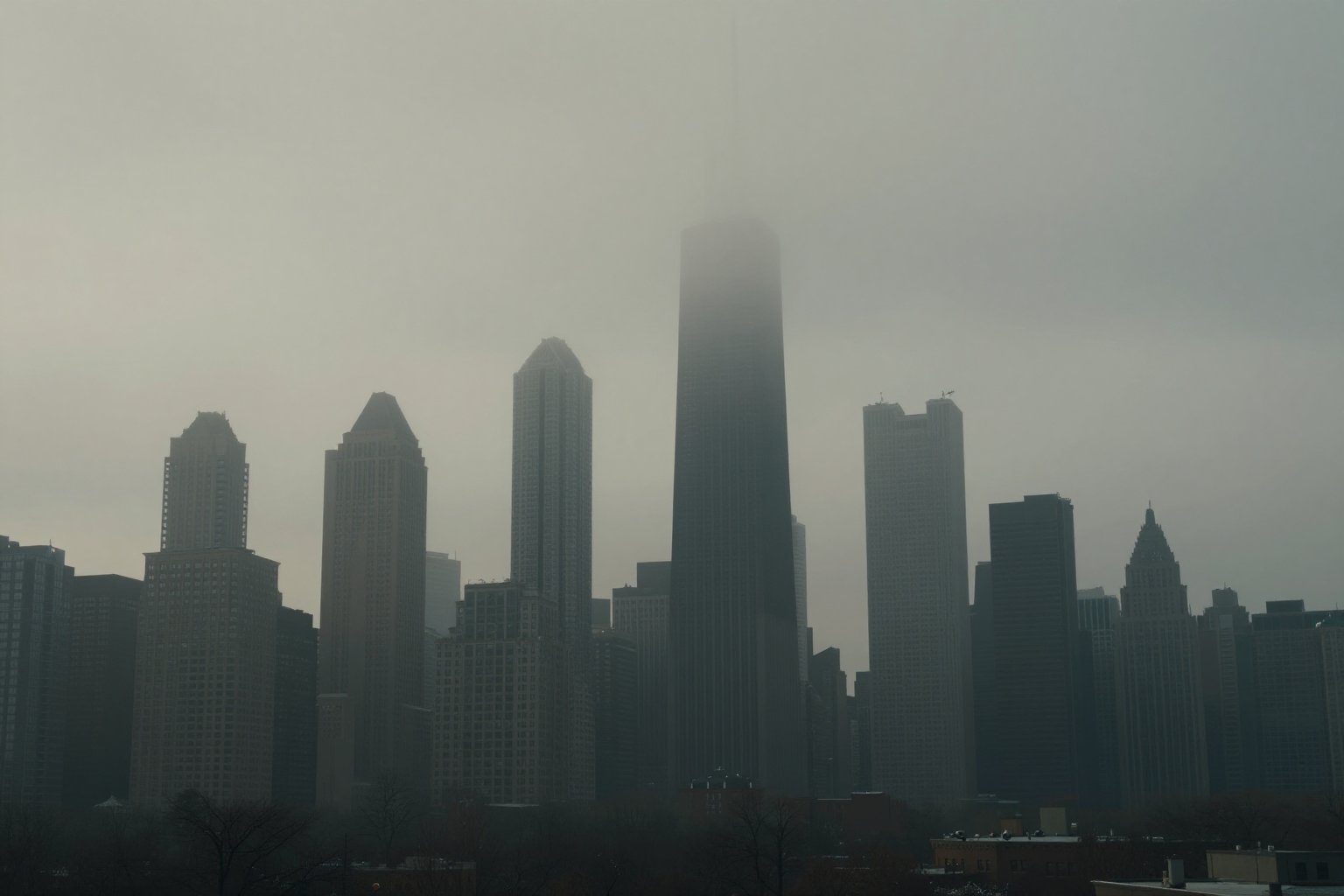
Air quality in parts of Chicago reached Level 3, “unhealthy for sensitive groups,” on October 23, 2026, as pollutants and dense fog combined to degrade conditions.
Tag
24 storiesnewest firstlatest October 23, 2026page 1 of 2
Air quality in parts of Chicago reached Level 3, “unhealthy for sensitive groups,” on October 23, 2026, as pollutants and dense fog combined to degrade conditions.
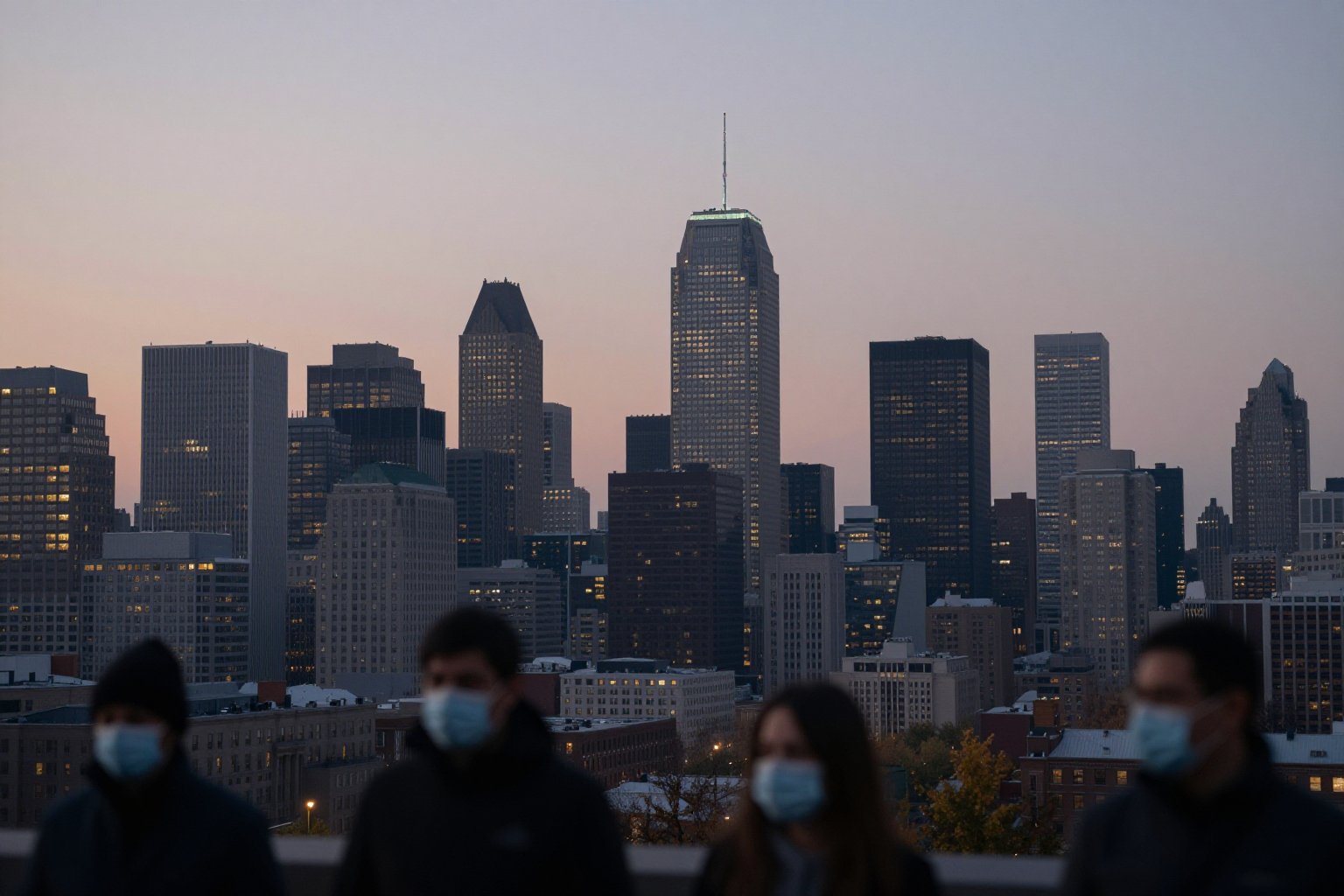
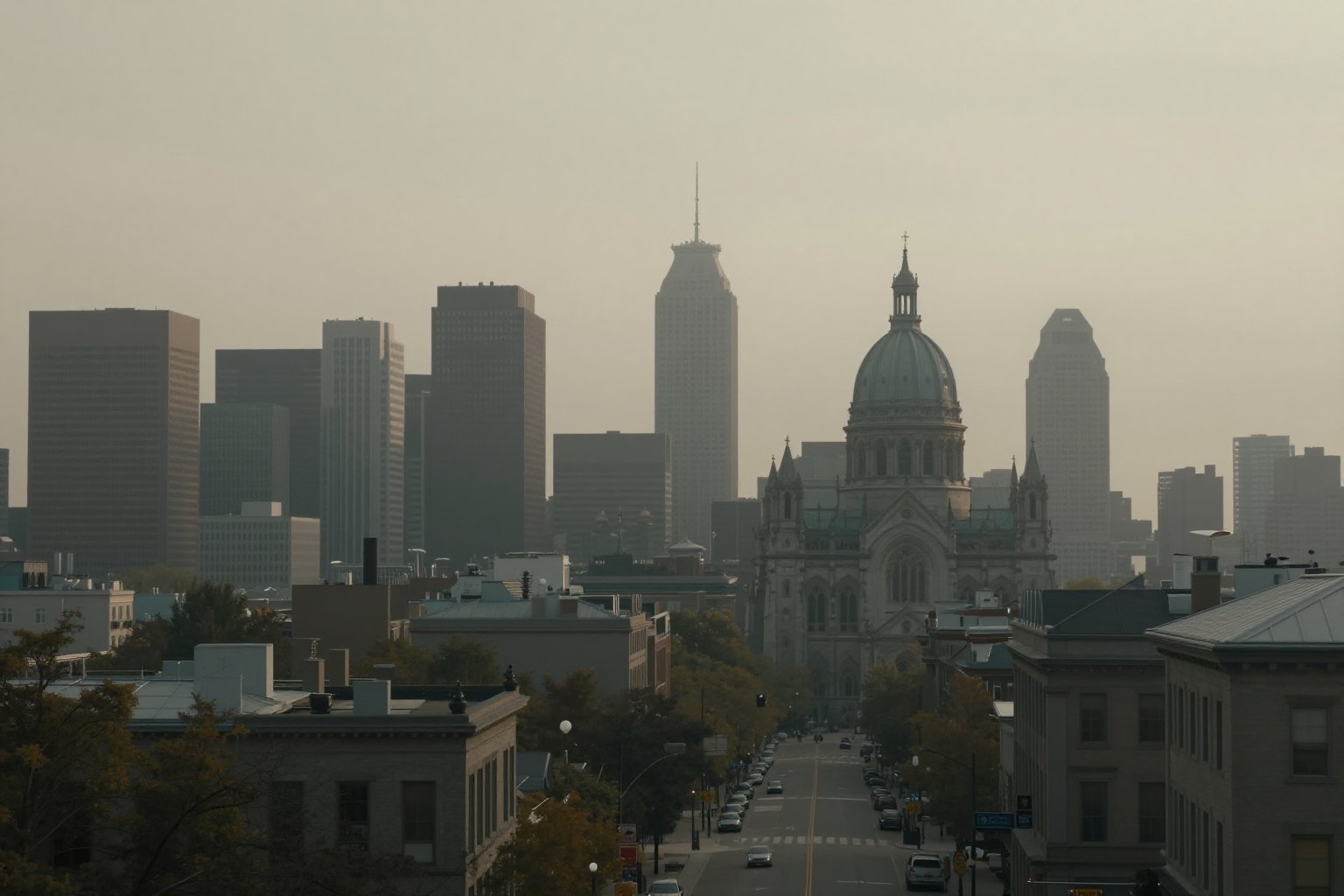
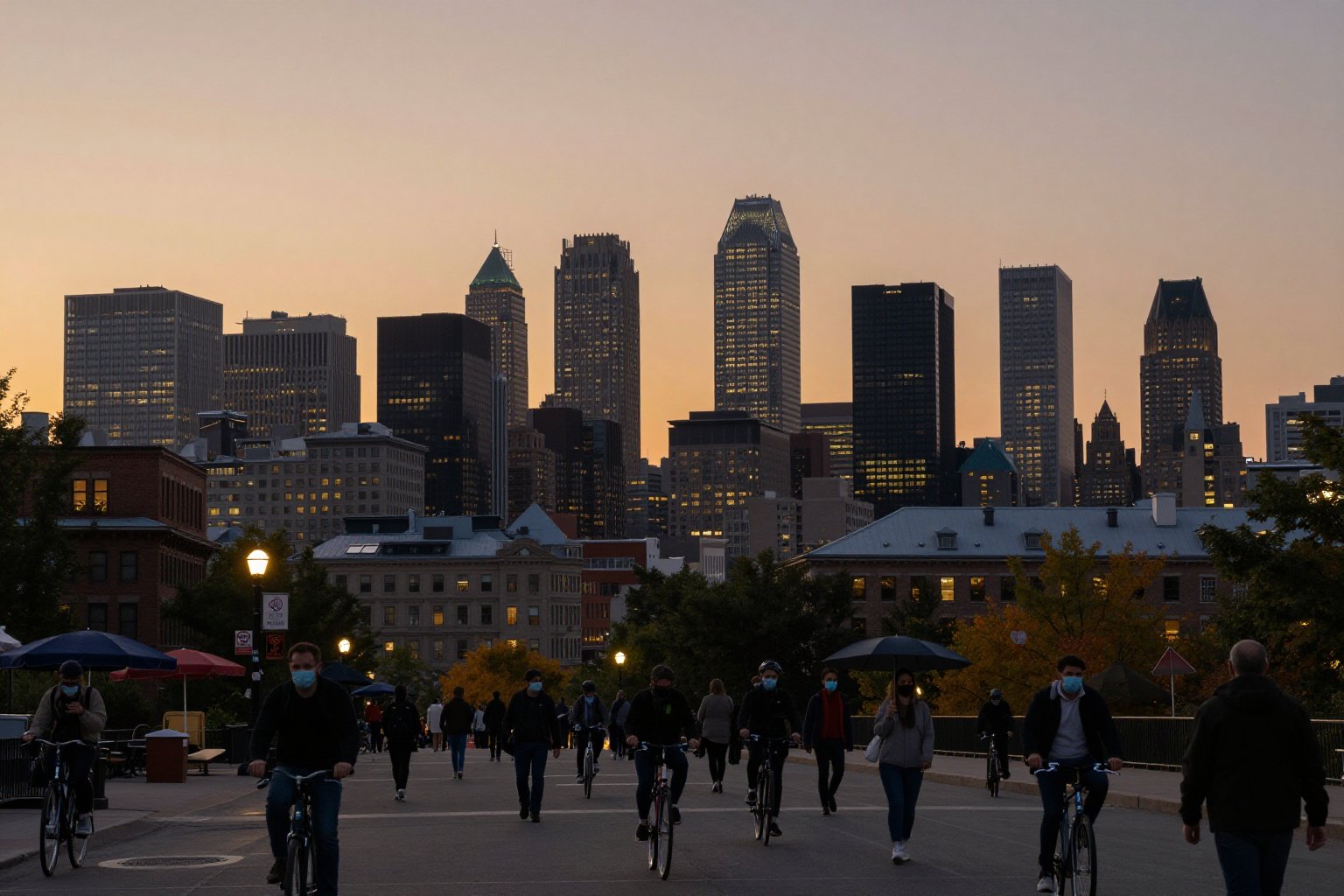
A study shows Montrealers are not changing their daily habits despite a rise in air‑quality warnings about smog, ozone, fireworks and forest‑fire smoke.
A study reports that Montreal residents continue their usual habits even as air‑quality alerts for smog, ozone, fireworks and forest fires become more common.
A study finds that despite more frequent air‑quality alerts in Montreal, residents have not altered their routines.
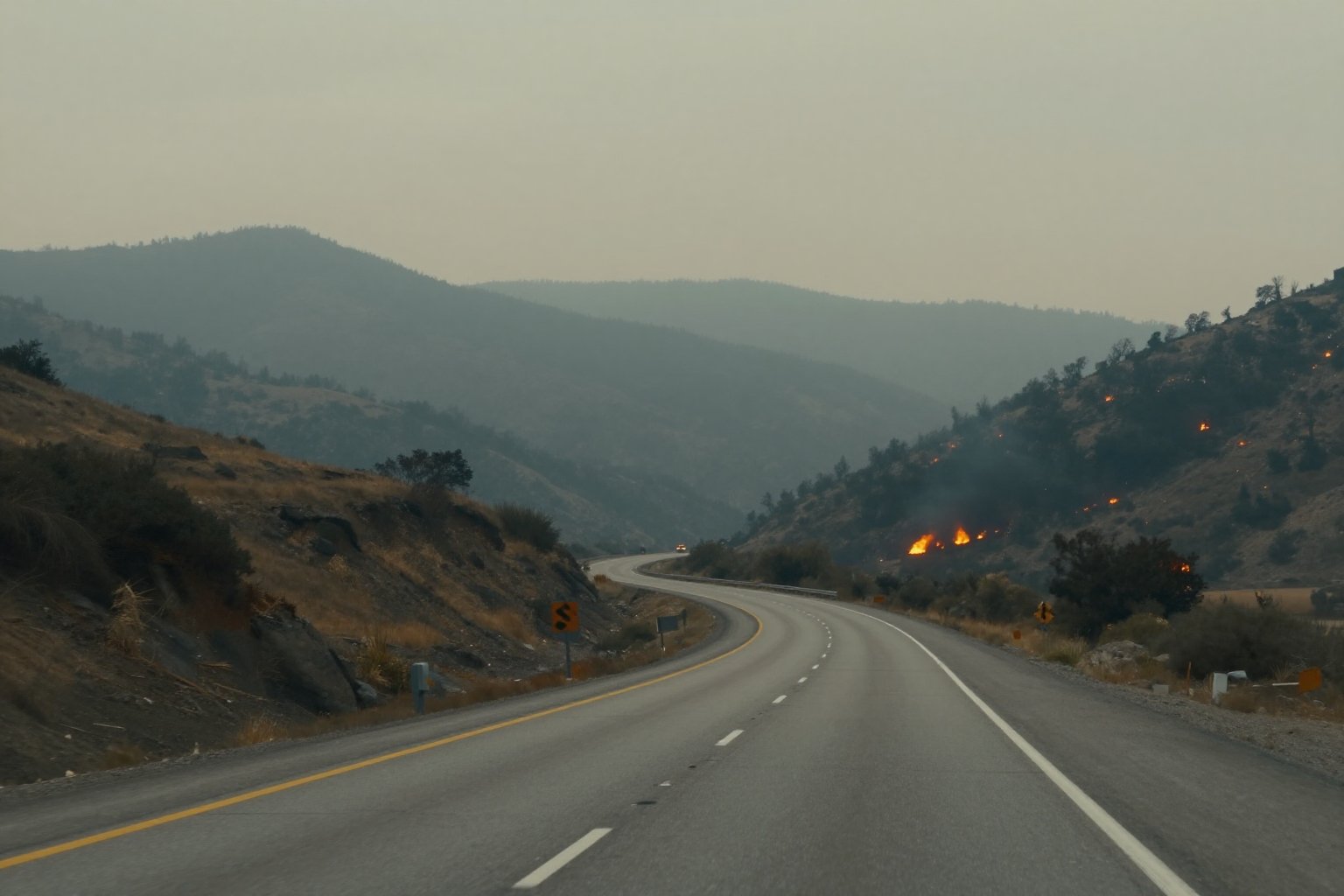
A smoke advisory issued by the South Coast Air Quality Management District remains active through 8 p.m. on Oct 4, 2026, due to Bouquet Fire smoke moving westward over the Santa Clarita Valley and surrounding areas.
NYC's top watchdog opened a probe on September 18, 2026 into Mayor Zohran Mamdani's knowledge of post‑9/11 air quality, reviewing 170,000 released documents to assess whether officials misled the public about safety.
New York City has published previously unreleased air‑quality data from Lower Manhattan after the 9/11 attacks, fulfilling a 25‑year request from survivors and advocacy groups. The release aims to clarify environmental conditions that persisted during the post‑attack recovery.
Mayor Zohran Mamdani announced the release of 25‑year‑old air‑quality data from Lower Manhattan, addressing long‑standing concerns of 9/11 survivors and advocates about post‑attack environmental conditions.
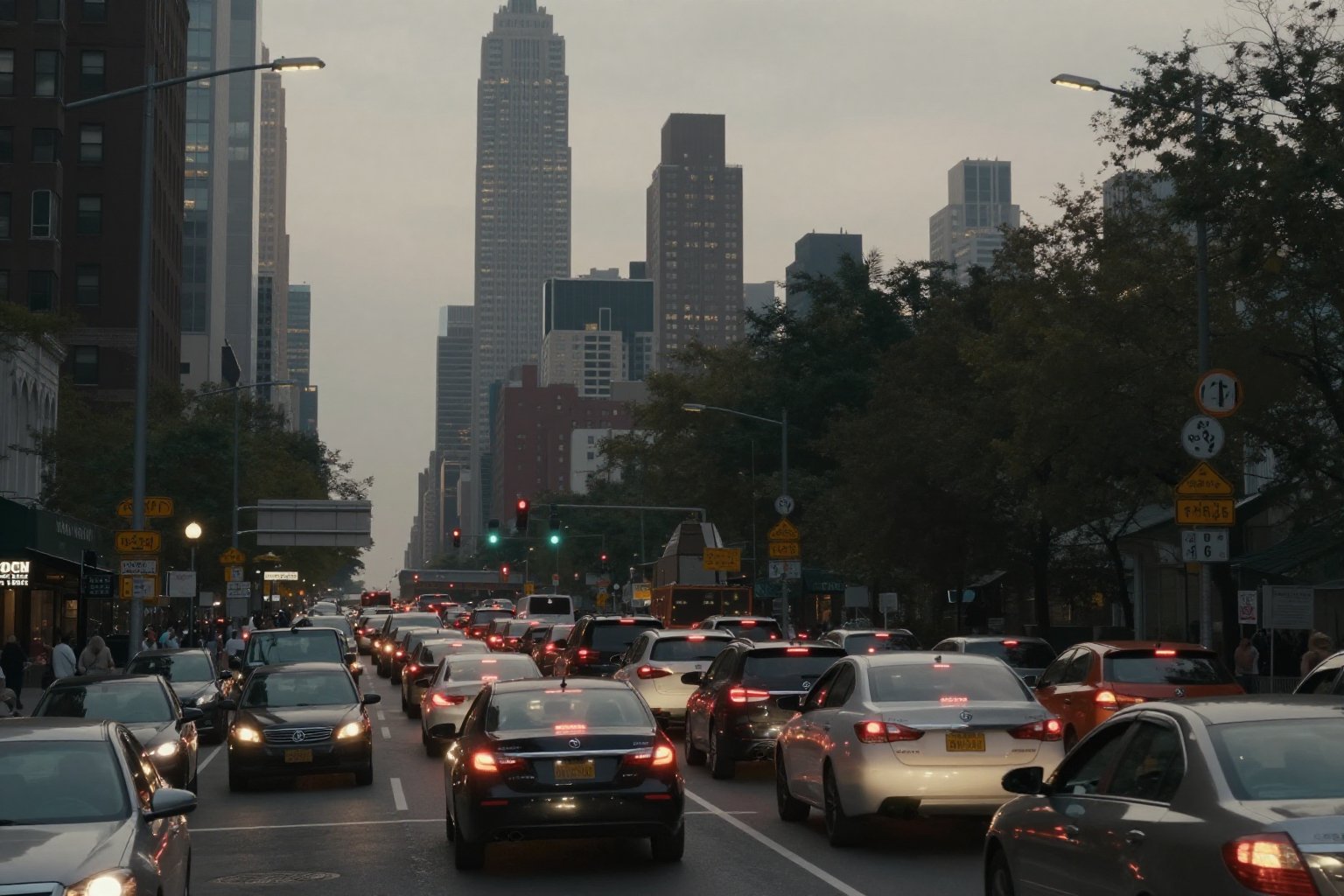
A city report released on August 16, 2026, finds that New York’s congestion pricing program has not led to a noticeable improvement in air quality, despite reduced traffic in Manhattan’s charged zones.
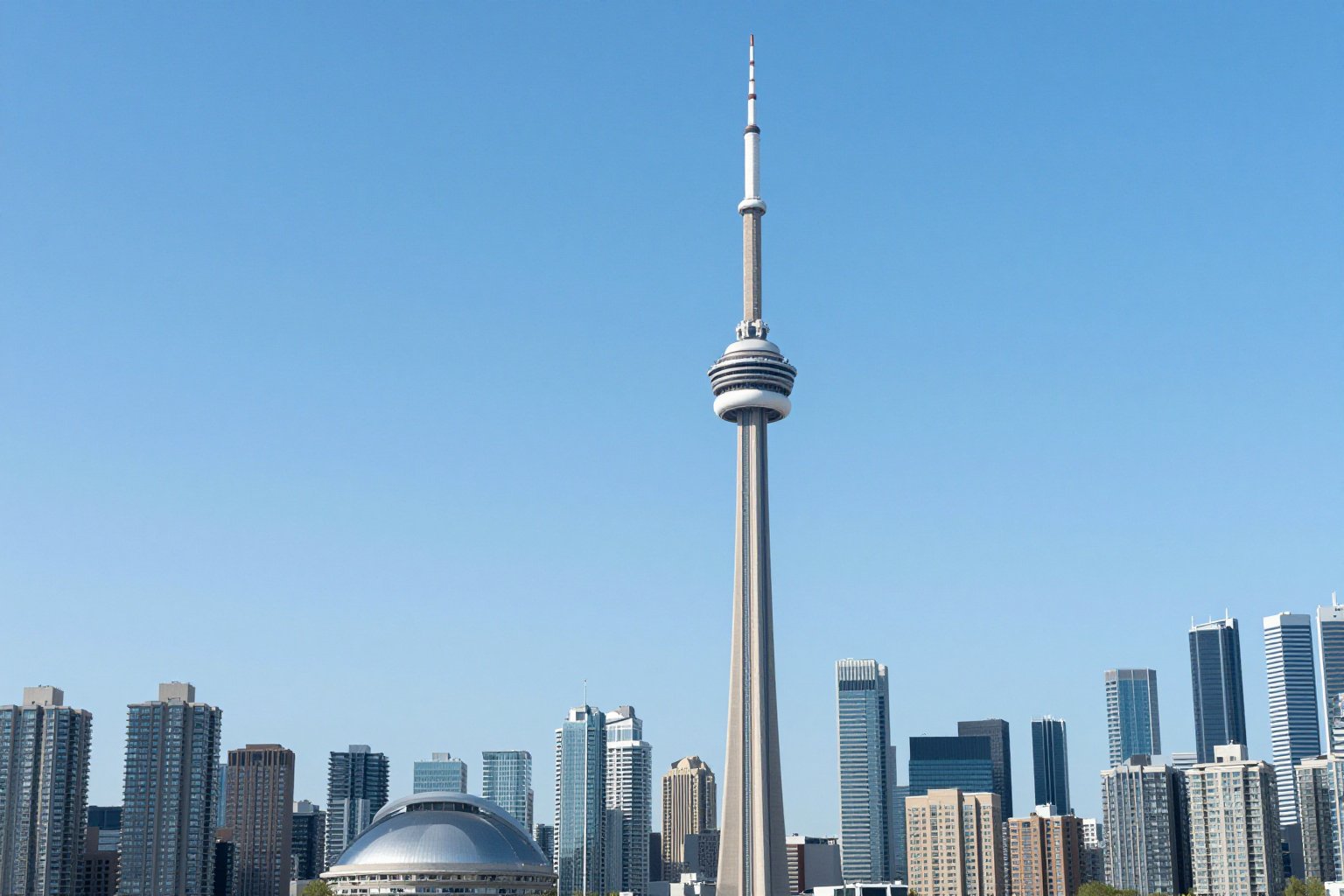
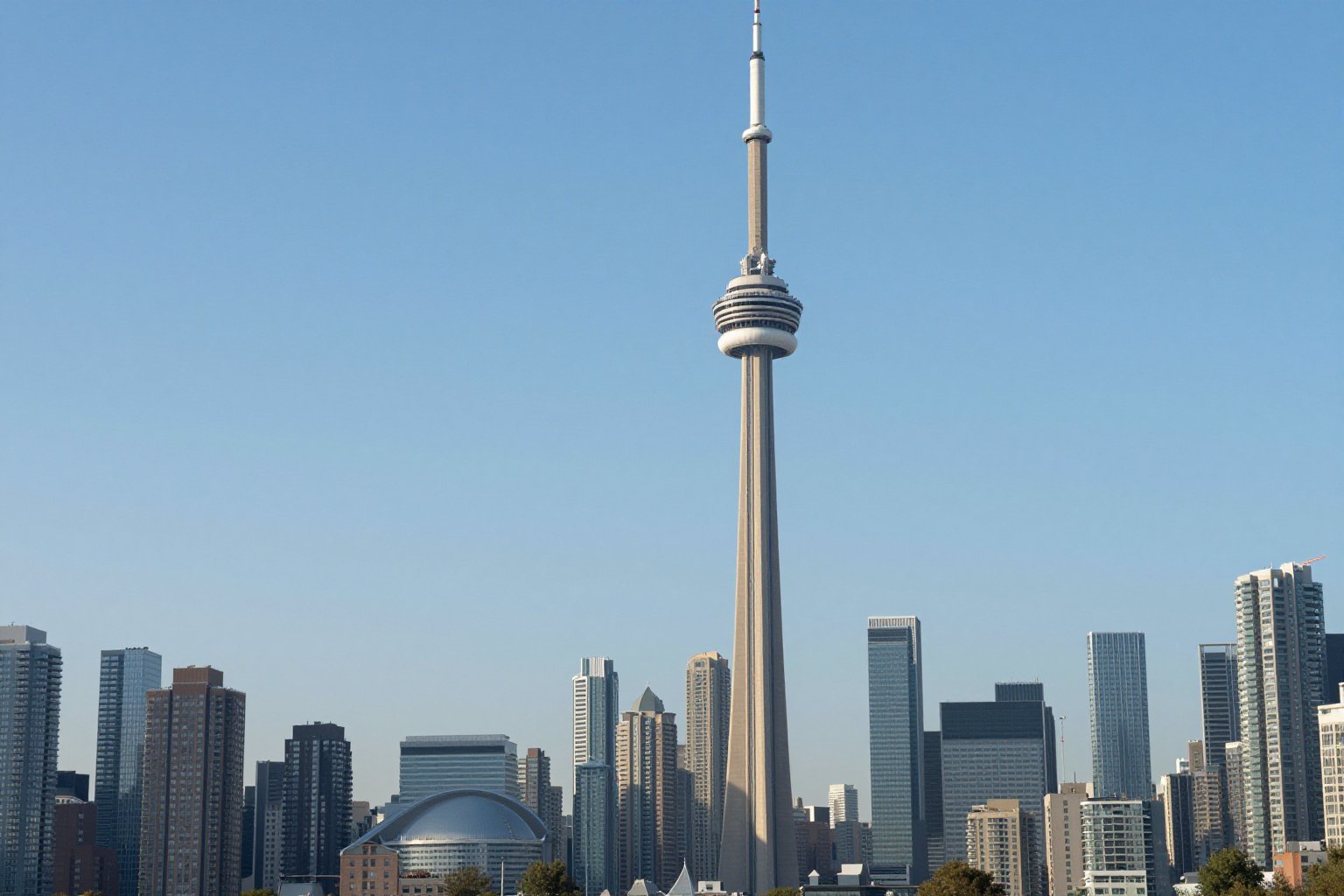
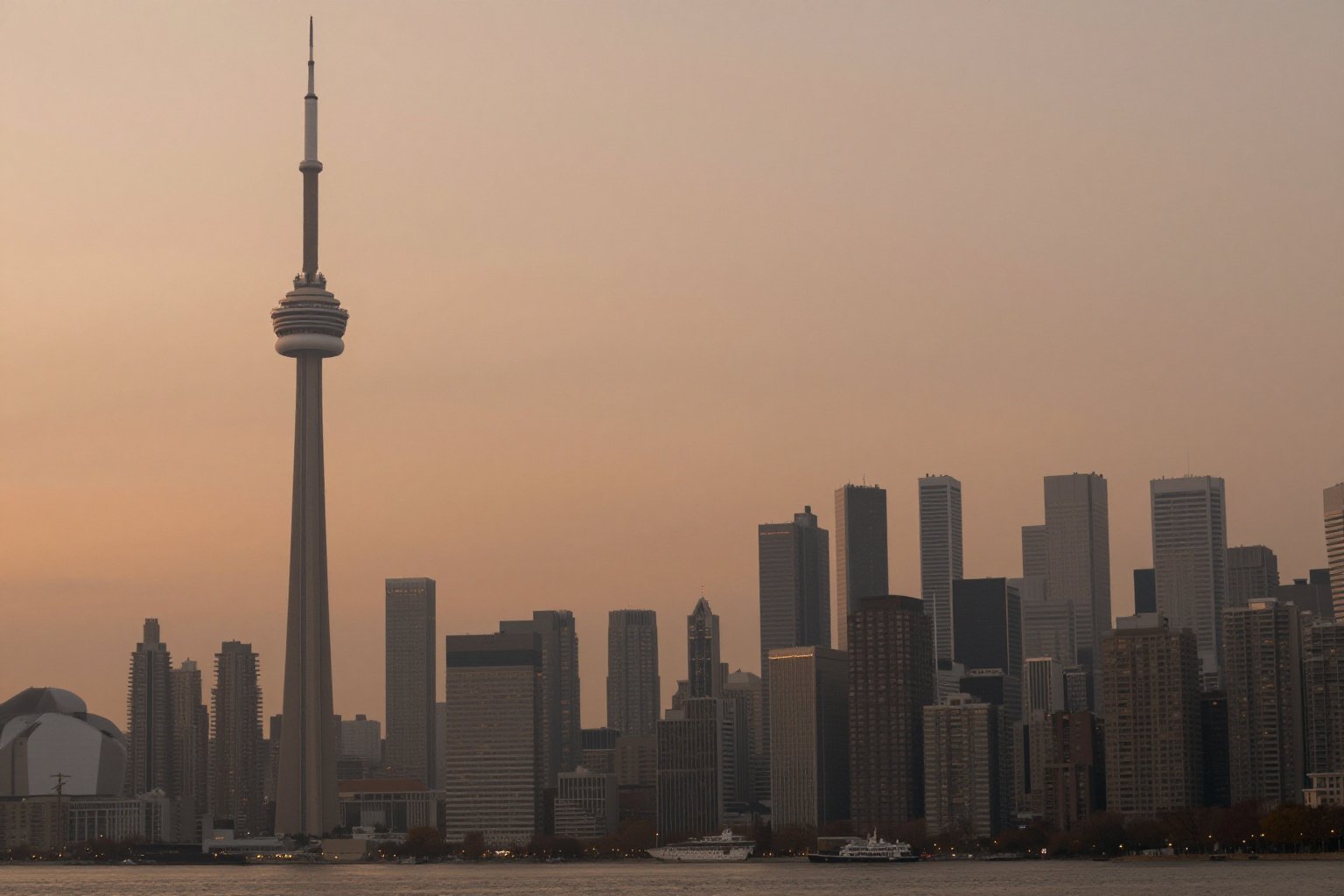
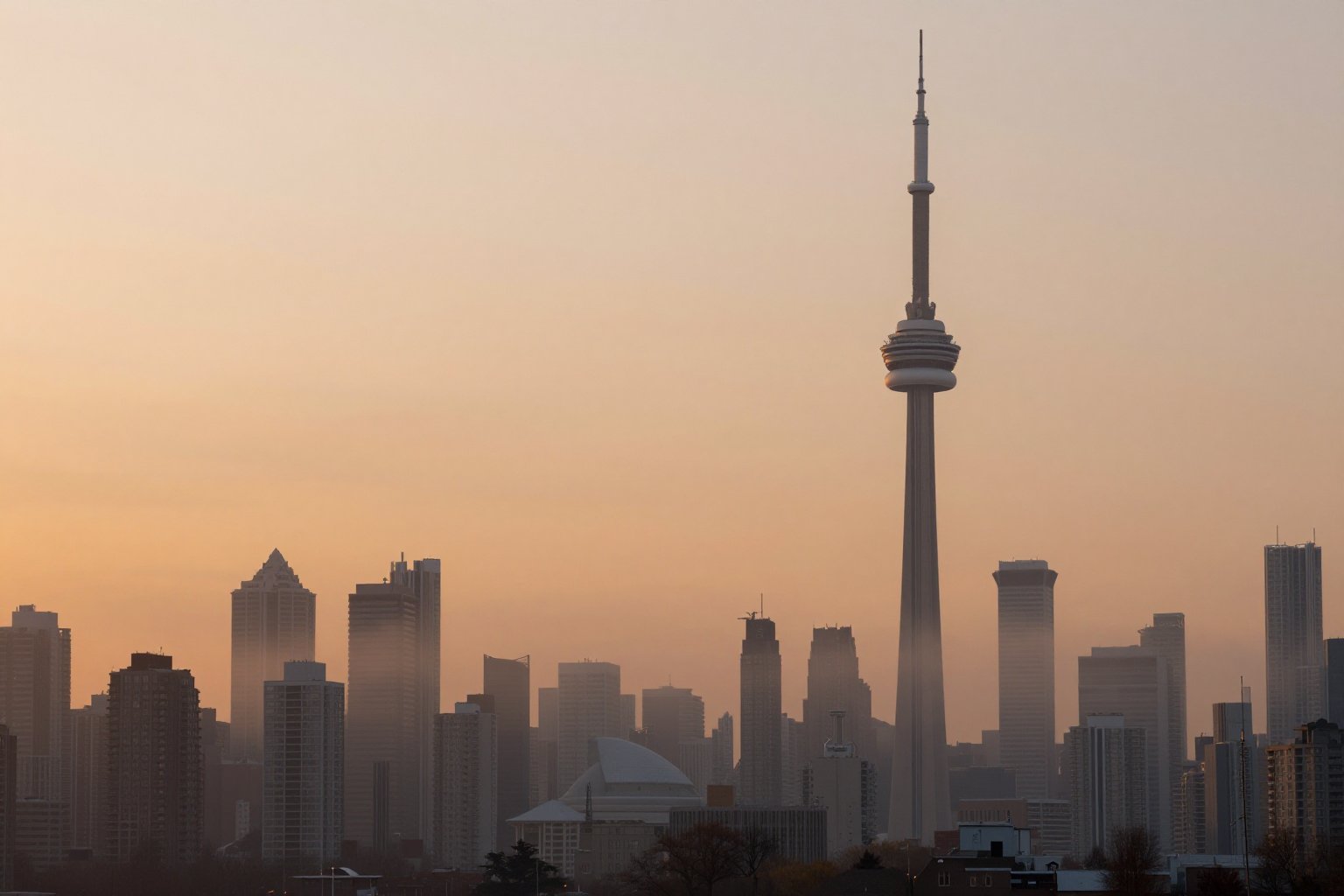
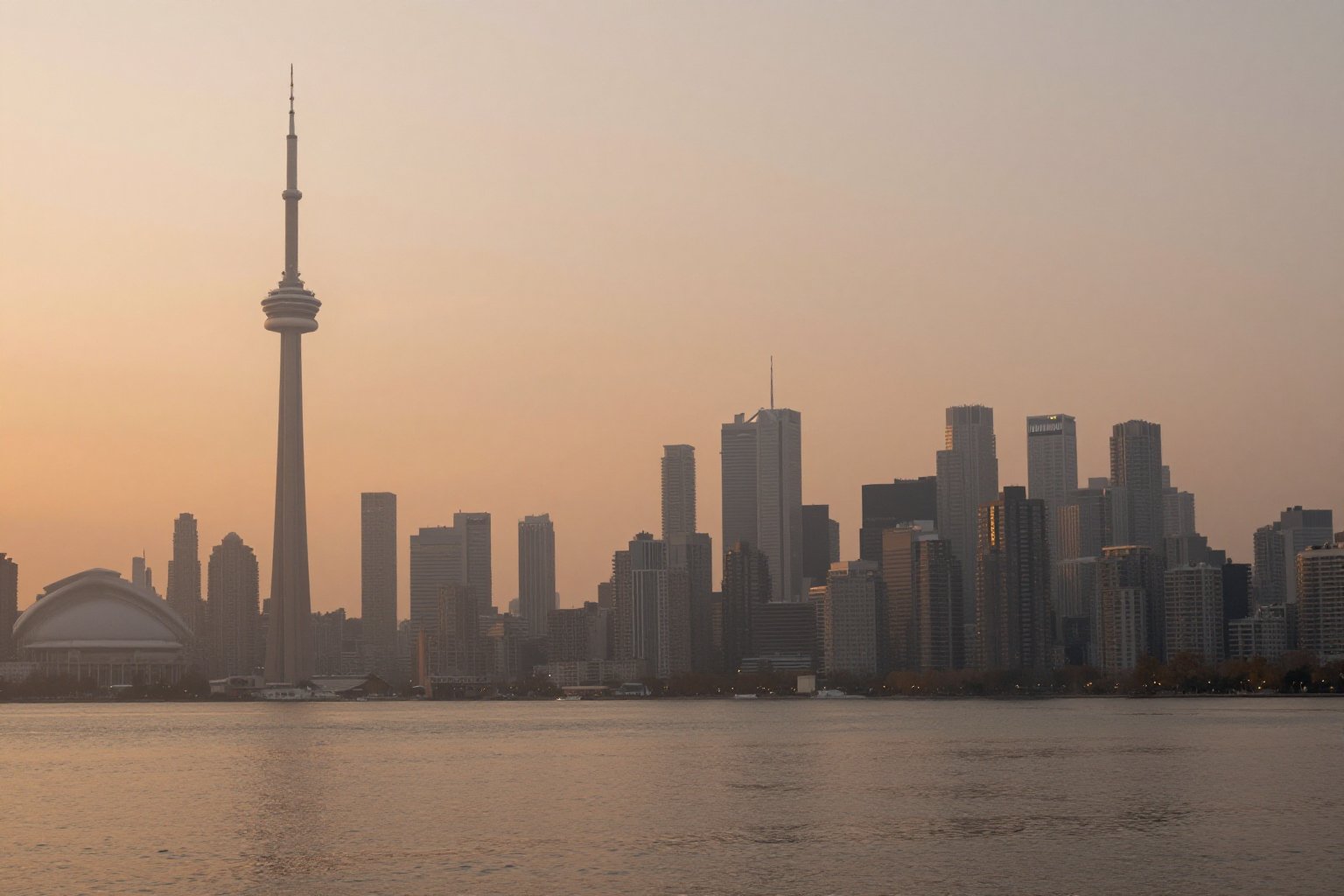
Environment Canada lifted the Greater Toronto Area air‑quality warning on July 19 after a week of heavy smoke, indicating improved conditions and ending the public health advisory.
Environment Canada removed the air‑quality warning for the Greater Toronto Area on July 19, 2026 after a week of heavy smoke. Improved conditions now meet national standards, ending the advisory.
Capital Region health officials have extended the Air Quality Health Advisory on July 16, 2026 due to persistent smoke from Canadian wildfires, urging residents, especially those with respiratory issues, to limit outdoor activity.
An orange air‑quality warning was issued for the GTA on July 18, 2026, as smoke from regional fires raised pollutant levels, with relief expected from afternoon showers.
An orange‑level air quality warning issued by Environment Canada remains in force across the GTA on July 17, 2026, due to elevated smoke. A brief improvement is forecast for later in the afternoon, but the advisory stays until conditions change.
Ontario will see a short improvement in air quality on July 17 as smoke from northern wildfires temporarily clears, but worsening conditions are expected to follow as the fires continue.
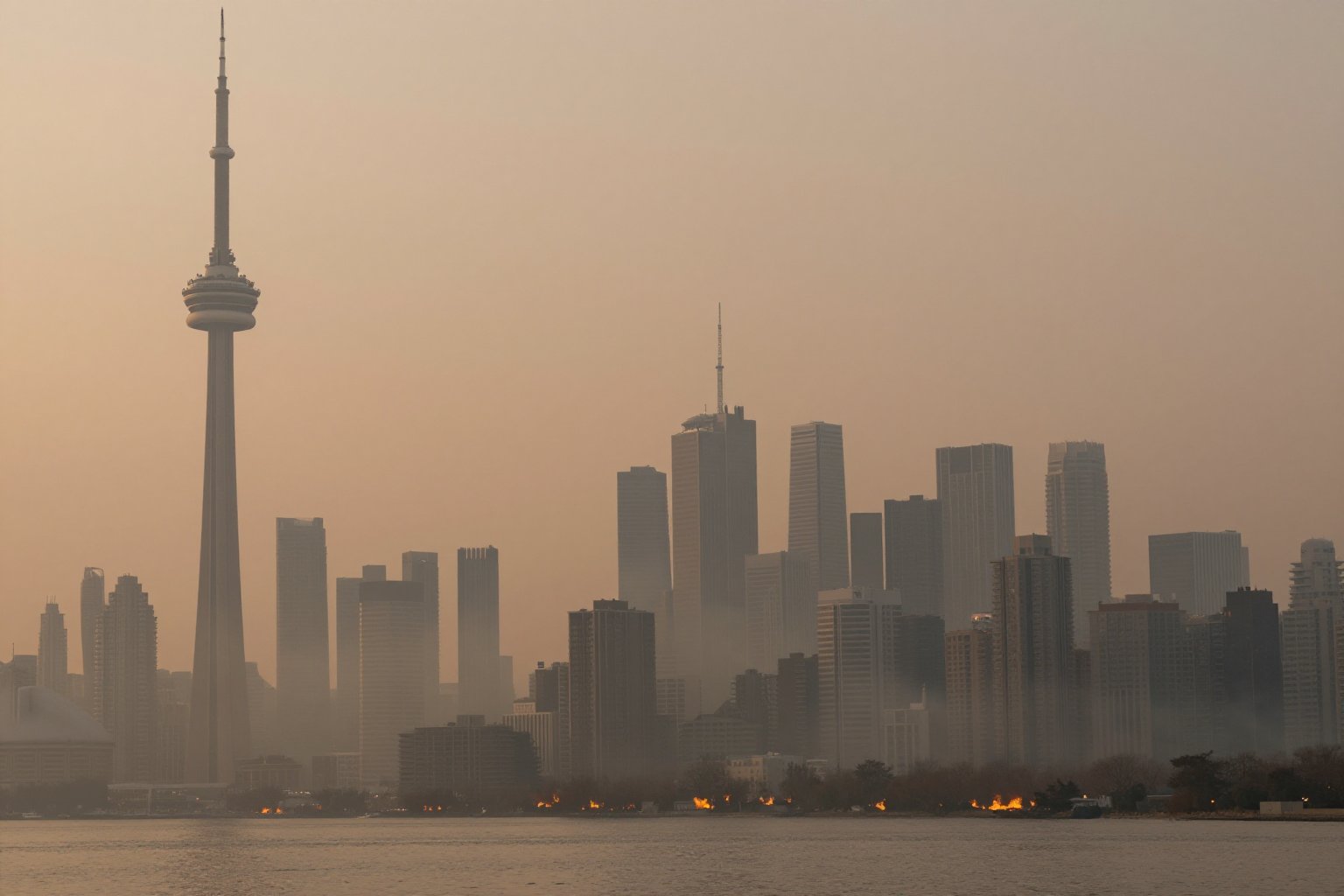
Environment Canada keeps an orange‑level air‑quality warning in place for the GTA as a thick smoky haze persists, urging residents to limit exposure and follow health guidance.
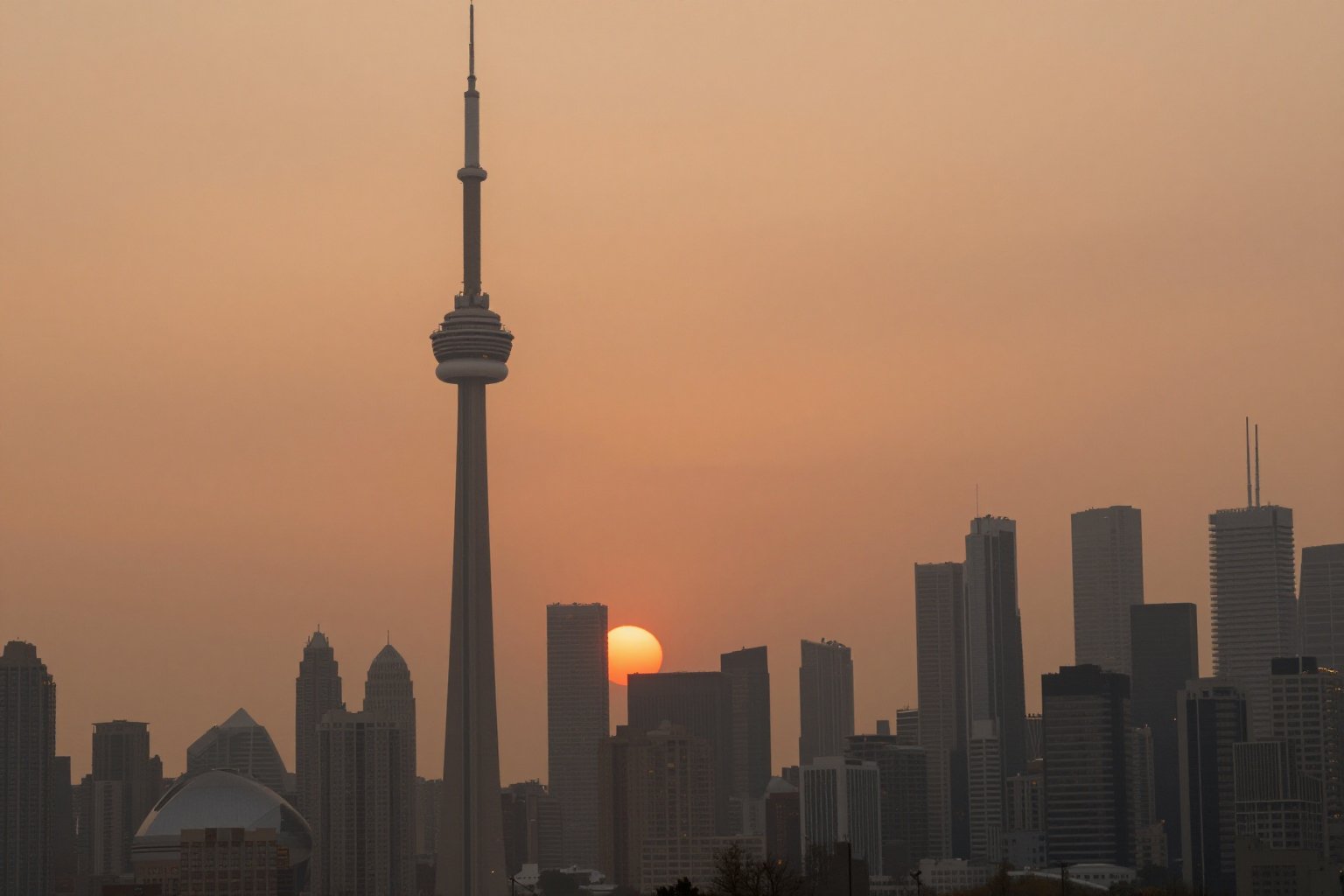
Advocates warn that Toronto's orange haze from wildfire smoke and a heat wave pose health risks to vulnerable residents, calling for stronger protective measures amid an official air‑quality warning.
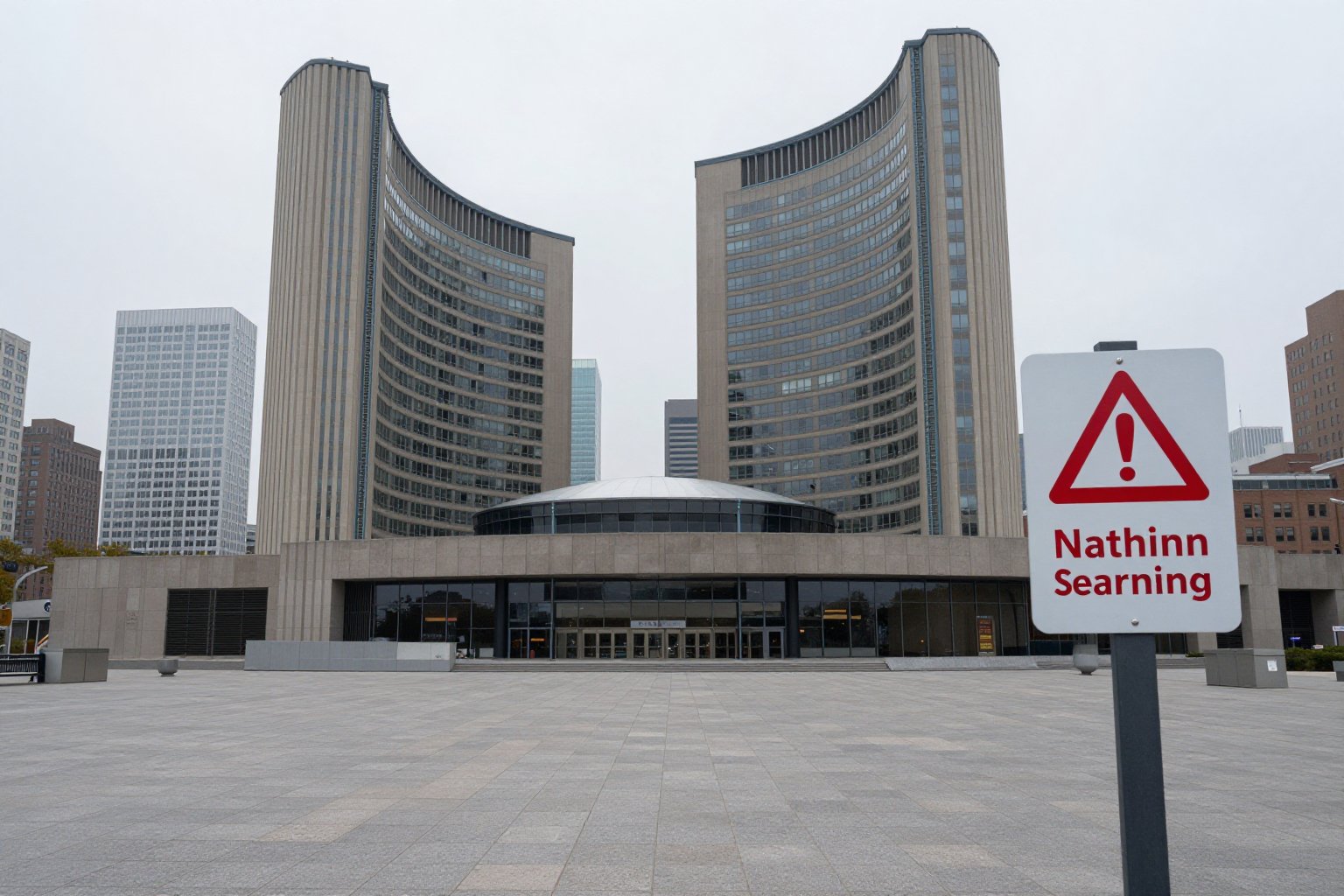
Toronto canceled several FIFA World Cup watch parties, including the Nathan Phillips Square fan festival, on July 15, 2026 after an orange‑level air‑quality warning deemed conditions unsafe for large gatherings.
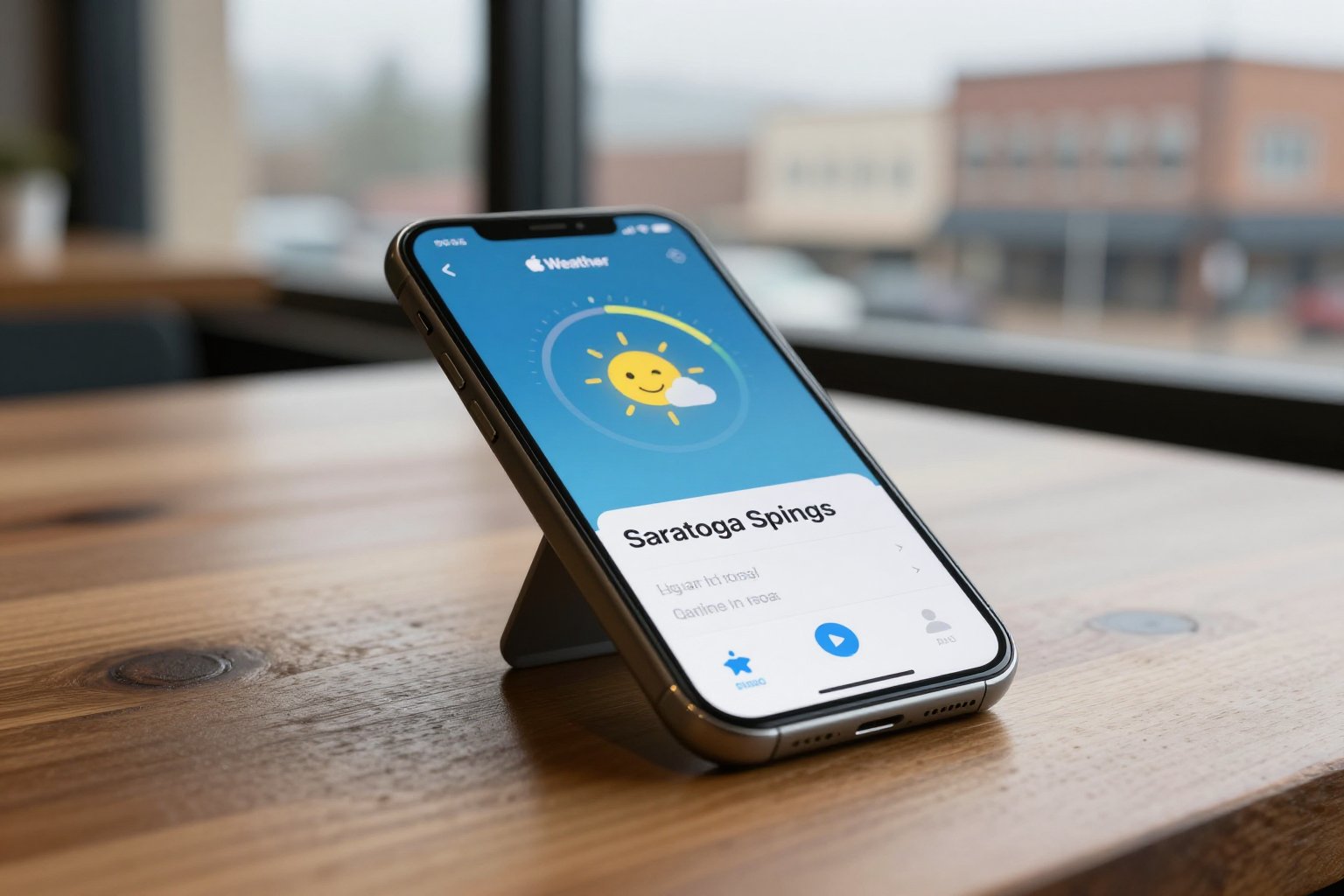
Apple Weather app users in New York’s Capital Region reported an AQI of 500 for Amsterdam on July 16, 2026, indicating a technical error. Viewers alerted NewsChannel 13, prompting verification of the faulty readings.
Forecasters warned on July 16 that smoke from Canadian wildfires will linger over New Jersey for several days, prompting health advisories and recommendations for residents to limit outdoor exposure.