Toronto Shops See Surge After U.S. 50% Tariff
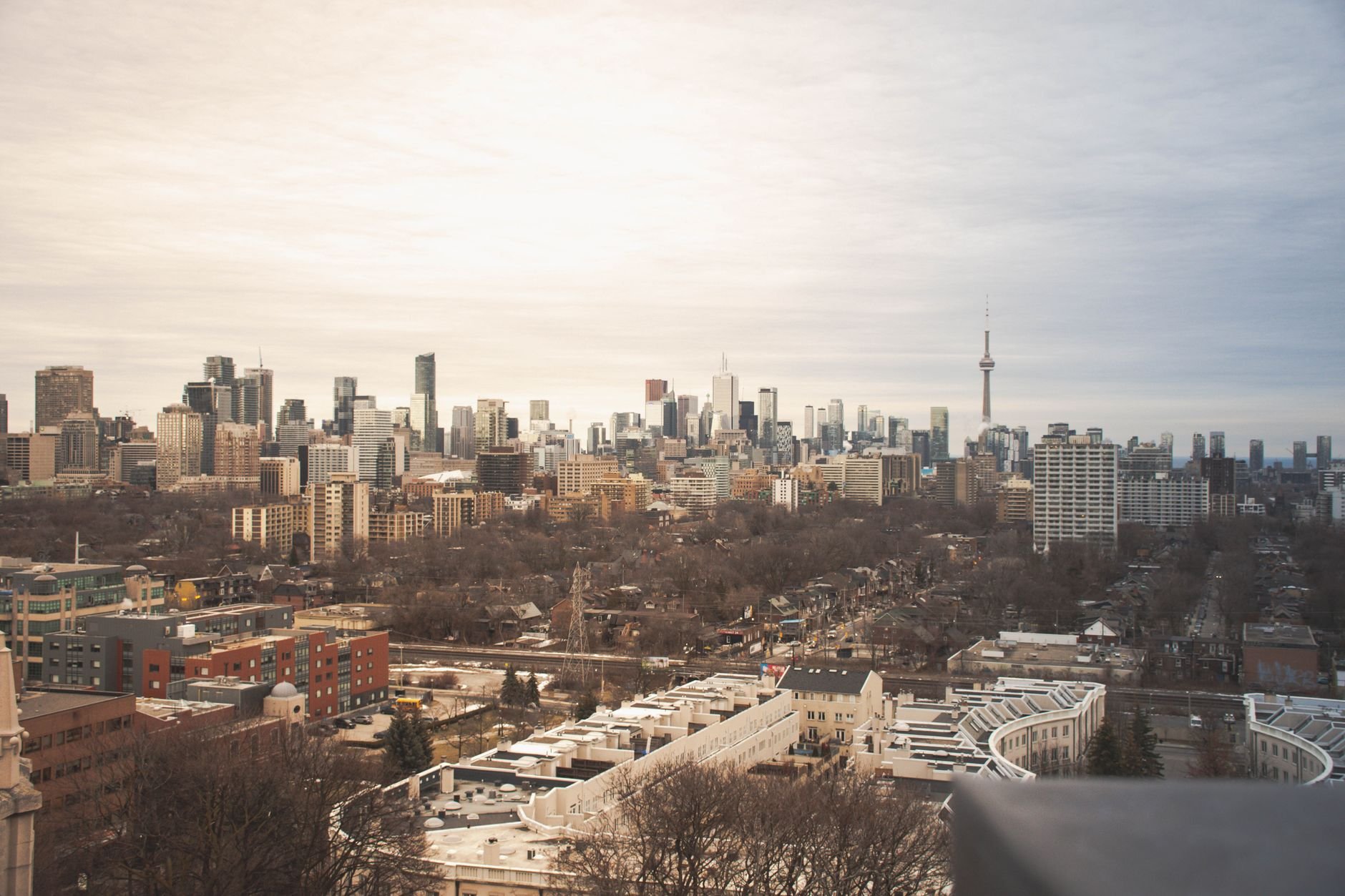
A 50 percent U.S. tariff on Canadian goods announced on August 22, 2026 has driven Toronto shoppers to favor locally made products, lifting sales for city retailers amid an ongoing trade dispute.
Tag
101 storiesnewest firstlatest September 6, 2026page 3 of 6
A 50 percent U.S. tariff on Canadian goods announced on August 22, 2026 has driven Toronto shoppers to favor locally made products, lifting sales for city retailers amid an ongoing trade dispute.
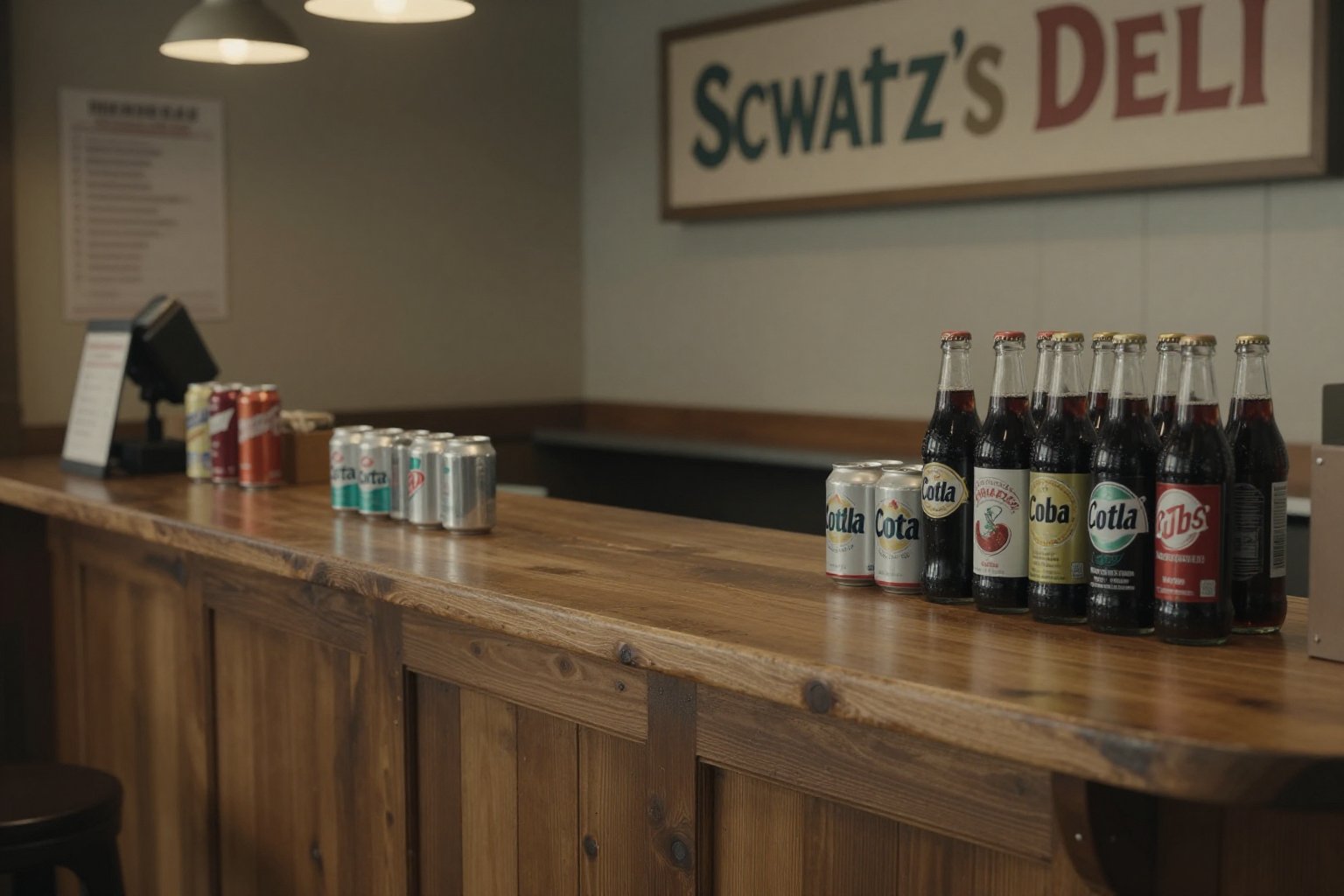
Schwartz’s Deli in Montreal stopped serving black cherry soda after U.S. tariffs raised its price, switching to a Quebec‑made drink to keep costs stable.
Schwartz’s Deli in Montreal replaced its imported black‑cherry soda with a locally produced drink after U.S. tariffs raised the soda’s cost. The deli says the change will keep prices stable for customers while the rest of the menu remains unchanged.
Toronto mayoral candidates are outlining city actions to help businesses amid the Canada‑U.S. tariff dispute, making trade policy a central theme in the municipal election.
Toronto mayoral candidates are addressing the impact of the Canada‑U.S. tariff dispute on local businesses, outlining potential municipal support as the 2026 election approaches.
Schwartz’s Deli in Montreal has replaced Cott’s black cherry soda with a locally made cola after U.S. tariffs made the imported soda unavailable.
Ontario Premier Doug Ford outlined the province's plan to respond to U.S. tariffs imposed by the Trump administration, emphasizing coordination with federal officials and industry to mitigate impacts amid a widening trade war.
Toronto businesses are assessing the impact of newly announced U.S. tariffs on Canadian goods and Canada’s immediate counter‑tariff response, both announced on August 25, 2026.
Schwartz’s Deli in Montreal replaced Cott’s black‑cherry soda with a local cola after new U.S. tariffs on Canadian soft drinks made the imported soda too costly to obtain, reflecting a wider shift among Canadian eateries facing similar trade restrictions.
Quebec companies are launching "Trump discounts" and boycott actions to protest tariff increases announced by President Donald Trump, using price cuts and reduced sourcing as a form of economic protest.
New U.S. tariffs on Canadian agricultural goods threaten Quebec apple growers' competitiveness, prompting concerns from the province's apple producers amid a wider Canada‑U.S. trade dispute.
Quebec firms have introduced price cuts and boycott campaigns, dubbed “Trump discounts,” to counter newly imposed U.S. tariffs under President Donald Trump. The actions aim to protect local demand and signal opposition to the American trade measures.
Montreal's mayor warned that newly imposed U.S. tariffs on Canadian goods pose a serious threat to the city's economy, urging coordination with higher levels of government to address potential trade disruptions.
U.S. tariffs linked to a broader trade dispute threaten the competitiveness of Quebec’s apple orchards, according to industry representative Jérôme‑Antoine Brunelle, raising concerns about pricing and market share.
Quebec companies are launching price cuts and boycott campaigns, called “Trump discounts,” in reaction to new tariffs announced by U.S. President Donald Trump, aiming to shield local markets from the policy’s impact.
A tariff conflict with the United States threatens to raise costs or limit market access for Quebec apple growers, endangering the competitiveness of the province’s orchards amid a broader US‑Canada trade dispute.
The mayor of Montreal warned that recent U.S. tariff increases on imported goods are creating significant pressure on local businesses and could threaten the city’s economy.
Montreal’s mayor warned on August 24 that recent U.S. tariff hikes pose a serious risk to the city’s economy, potentially raising costs for local businesses and affecting growth.
Montreal’s mayor warned on August 24 that new U.S. tariffs on Canadian imports are severely affecting the city’s economy, prompting close monitoring and coordination with higher levels of government.
Canada’s finance minister announced a dollar‑for‑dollar retaliation to recent U.S. tariff hikes, including possible cuts to electricity and critical mineral exports, while Quebec’s minister said the province will not be intimidated by the pressure.