Manitoba Record Pumpkin Weighs 782 Kilograms at Roland Fair
A 782‑kg pumpkin displayed at the Roland Pumpkin Fair set a new Manitoba record for the heaviest pumpkin.
Tag
93 storiesnewest firstlatest October 4, 2026page 1 of 5
A 782‑kg pumpkin displayed at the Roland Pumpkin Fair set a new Manitoba record for the heaviest pumpkin.
Josh Hilton won the 2026 Giant Pumpkinfest with a 2,123.5‑lb pumpkin, while Ernie Gustinucci and Tadd King placed with pumpkins of 1,821.5 lb and 1,674.5 lb. The festival celebrates regional farming and community pride.
Two Haitian agronomists opened Ferme des Ambassadeurs in Quebec to grow exotic Haitian vegetables, with over 50% of the harvest sold to Montreal buyers.
The Business for Good Foundation donated $20,000 to Pitney Meadows Community Farm to expand its Food as Medicine program and aid economic mobility for high‑need residents.
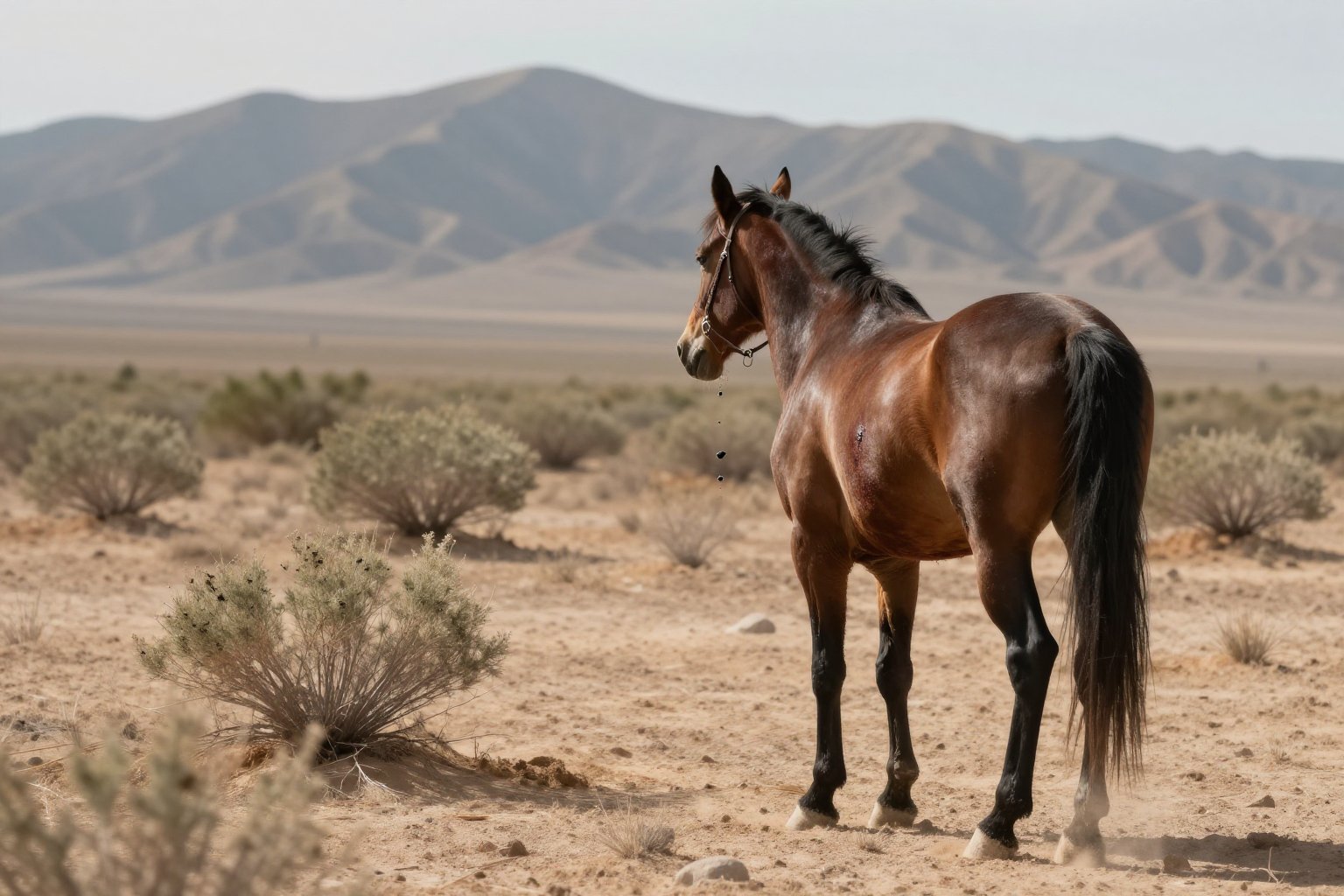
A horse in Grant County, NM, was found with a screwworm‑infested wound, raising worries about the parasite moving toward Arizona.
Municipal officials in the Red River Valley are considering a fee system that would bill farmers who neglect erosion‑control measures for future dust‑storm cleanup costs, following a costly recent storm.
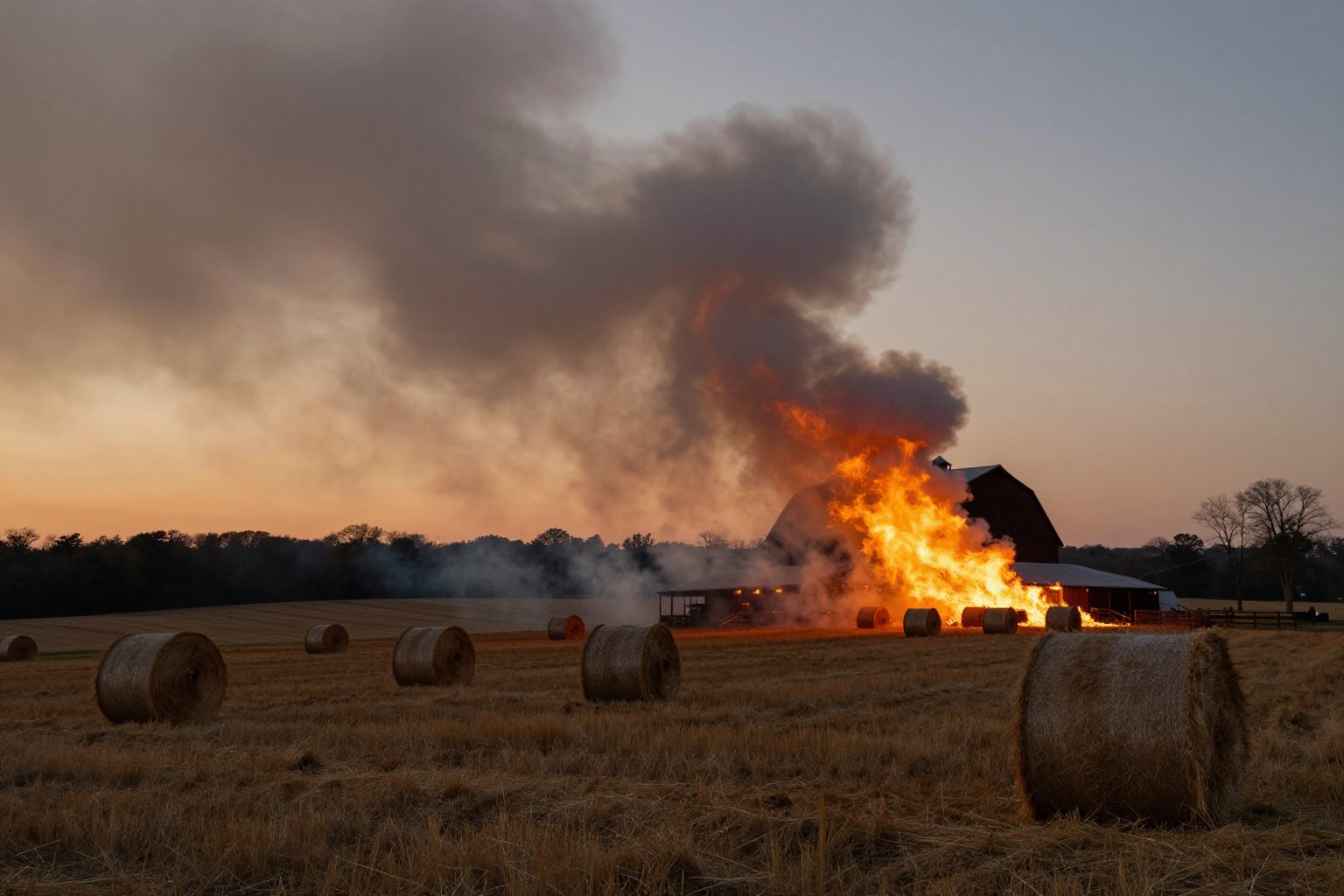
A hay bale fire on a Montgomery County farm on September 25 caused about $50,000 in damage, with workers containing the blaze and no injuries reported.
Joseph Baird of Seattle grew a 1,006‑pound pumpkin in his backyard, using 150 gallons of water daily and 25 hours of weekly care. The feat highlights the dedication typical of giant‑pumpkin hobbyists.
Hundreds of Quebec and Ontario farmers protested in Rigaud on September 19, 2026, saying Alto's indemnity offers are inadequate. The demonstration underscores farmer dissatisfaction with the company's compensation packages for agricultural losses.
The RCMP are investigating the death of a 66‑year‑old farm worker in southern Manitoba after he was apparently struck by farming equipment on September 18, 2026. The investigation is ongoing as police gather evidence to determine the circumstances of the workplace fatality.
RCMP is investigating the death of a 66‑year‑old farm worker in southern Manitoba after he was struck by farming equipment on September 18, 2026, treating the case as a workplace fatality in the agricultural sector.
Manitoba's grain harvest is delayed by persistent summer rain, with only 40 percent harvested versus 50 percent last year, and waterlogged fields causing spoilage. Farmers await drier weather to resume combines and prevent further losses.
The Houston Livestock Show & Rodeo broke ground on a $300 million agricultural complex called The Farm along Highway 288 in Houston on September 18, 2026, expanding its long‑standing annual event facilities.
Governor Abigail Spanberger declared a state of emergency on September 16, 2026, in response to a severe hay shortage caused by ongoing drought in Virginia, enabling state agencies to coordinate relief efforts for affected farmers.
A Northumberland couple has preserved a 75‑acre farm in Saratoga County as working farmland for retired racehorses, supporting long‑term agricultural preservation and equine welfare.
Veteran-owned Fossil Stone Farms held a Harvest Fest on a Saturday in September, letting visitors pick grapes and learn about the farm’s history. The event highlighted community agricultural engagement in Saratoga Springs.
Saratoga PLAN added 75 acres of farmland to its conservation easement portfolio in Saratoga County, preserving the land for agricultural use and open space as part of a regional effort.
U.S. Department of Agriculture officials confirmed on September 15 that a horse in Presidio County, Texas, tested positive for New World screwworm, the first such case in a Texas horse. The finding triggers surveillance and containment actions to protect livestock.
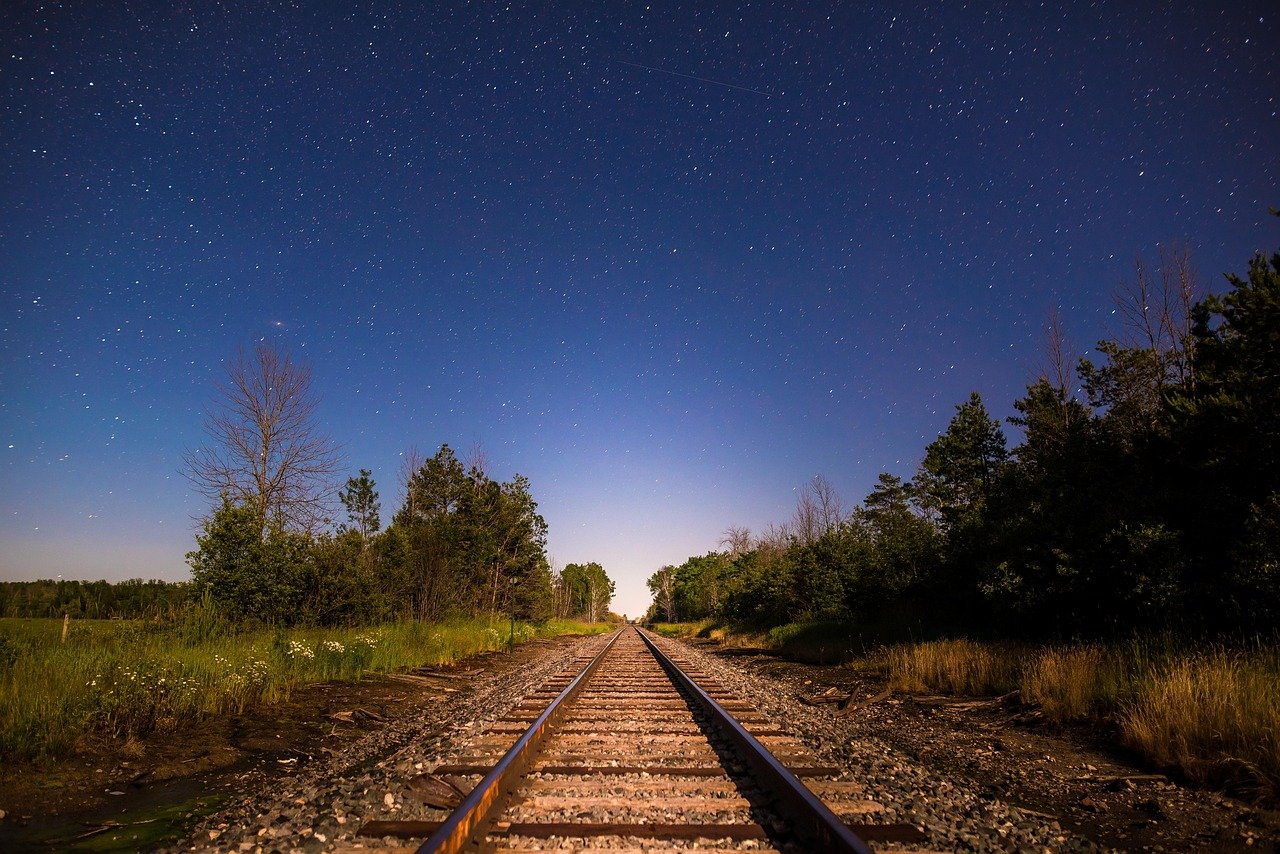
The Union of Agricultural Producers has formally asked the federal government, via Transport Minister Steven MacKinnon, to suspend the Quebec City‑Toronto high‑speed rail project, citing concerns for the farming sector.
A rooftop farm at the Palais des congrès opened on September 13, 2026, to demonstrate urban food production and encourage local buying amid a Canada‑U.S. trade dispute. The project, part of a network of eleven Montreal area farms, aims to shift consumer preference toward Quebec-grown products.