Local Author Publishes Dystopian Phoenix Novel
Kelly Lydick's new novel, released on September 30, depicts a post‑climate‑disaster Phoenix, exploring a speculative future for the Valley.
Tag
21 storiesnewest firstlatest October 1, 2026page 1 of 2
Kelly Lydick's new novel, released on September 30, depicts a post‑climate‑disaster Phoenix, exploring a speculative future for the Valley.
Long Beach is importing sand, fixing the boardwalk, and drafting a long‑term plan to guard homes against coastal erosion that has sped up due to a strong El Niño. Rising sea levels and storm activity are driving the increased shoreline loss.
Waterfront homes near Los Angeles are collapsing into the ocean as rising sea levels erode the shoreline, and FEMA has declined to offer relocation assistance to affected homeowners.
Waterfront homes in Los Angeles collapsed into the ocean on September 19, 2026 due to erosion and rising sea levels, and FEMA declined to provide relocation assistance, leaving homeowners to seek alternatives.
Manitoba’s government unveiled a province‑wide Net Zero Action Plan on September 9, 2026, committing $350 million over three years to more than 90 actions aimed at reaching net‑zero emissions by 2050.
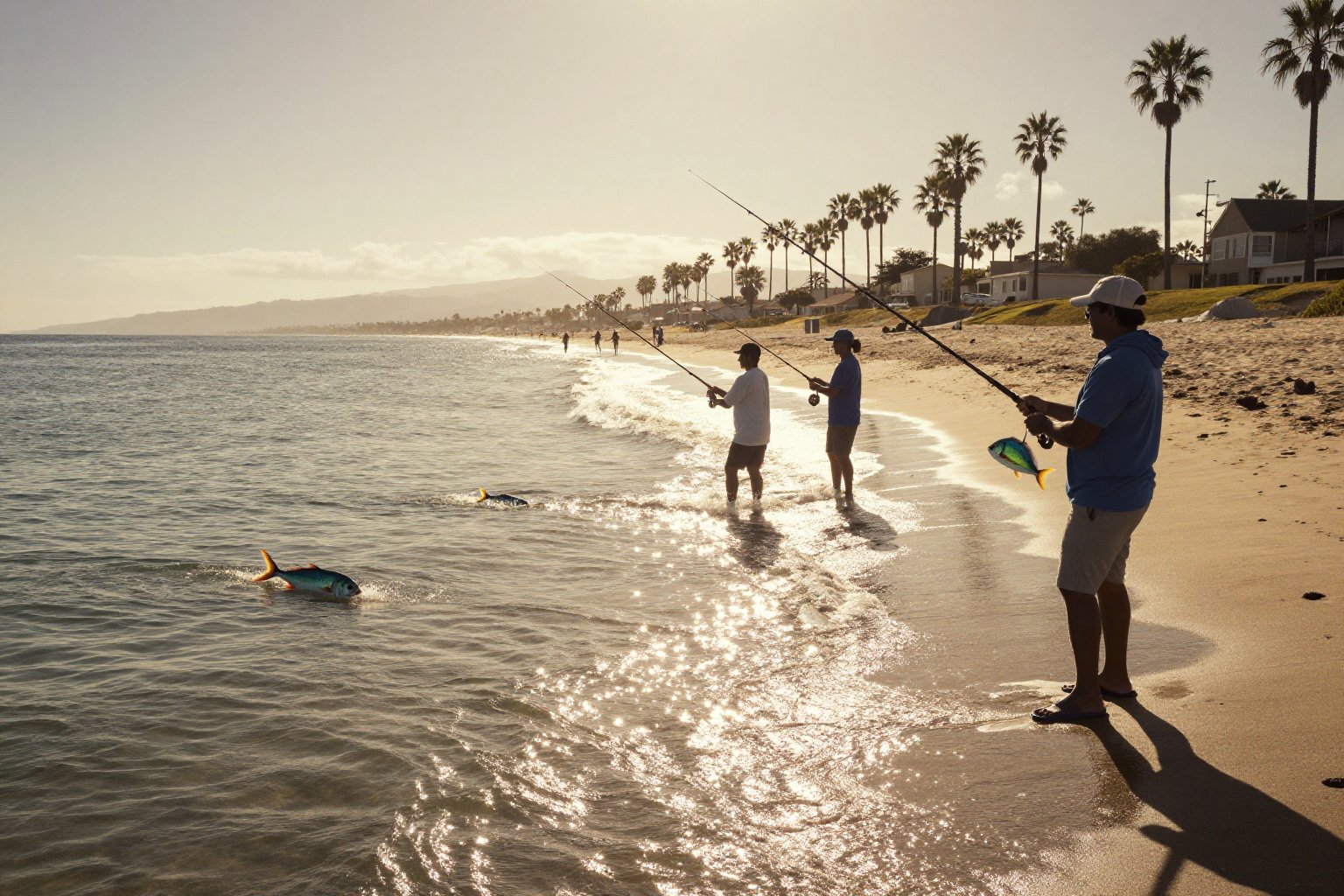
Elevated ocean temperatures from El Niño and marine heatwaves have drawn warm-water fish north to Southern California, sparking a fishing boom among local anglers.
A candlelight vigil at Albany’s Sanatani Temple on August 31 honored the 900 dead and 2,500 missing from Nepal’s floods, while urging climate action. The gathering reflected a local response to an international disaster.
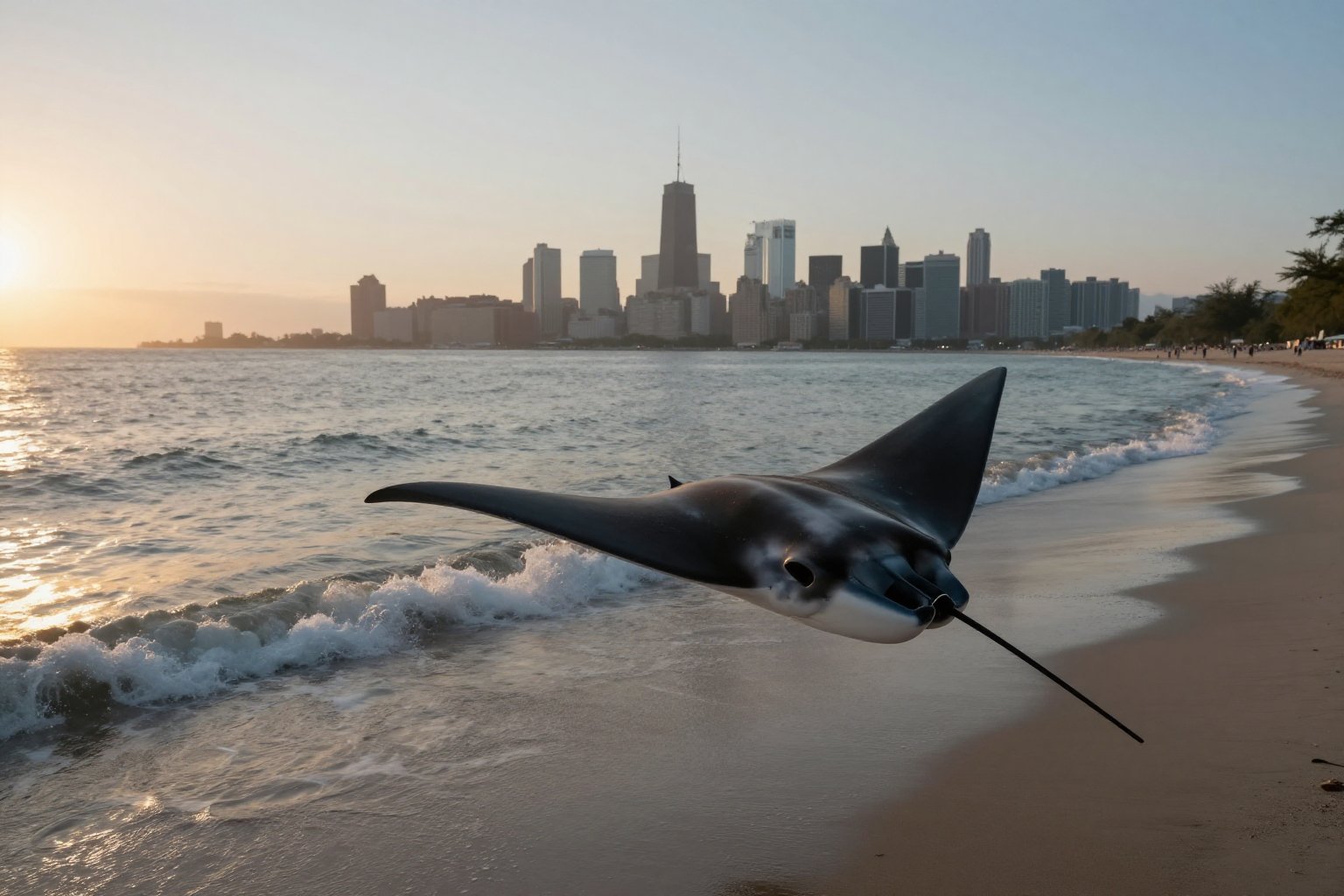
The New York Department of Environmental Conservation recorded an oceanic manta ray feeding off Jones Beach on August 22, 2026, a rare summer occurrence linked to warm water conditions. Such sightings illustrate how seasonal temperature changes can extend the range of typically offshore species into New York waters.
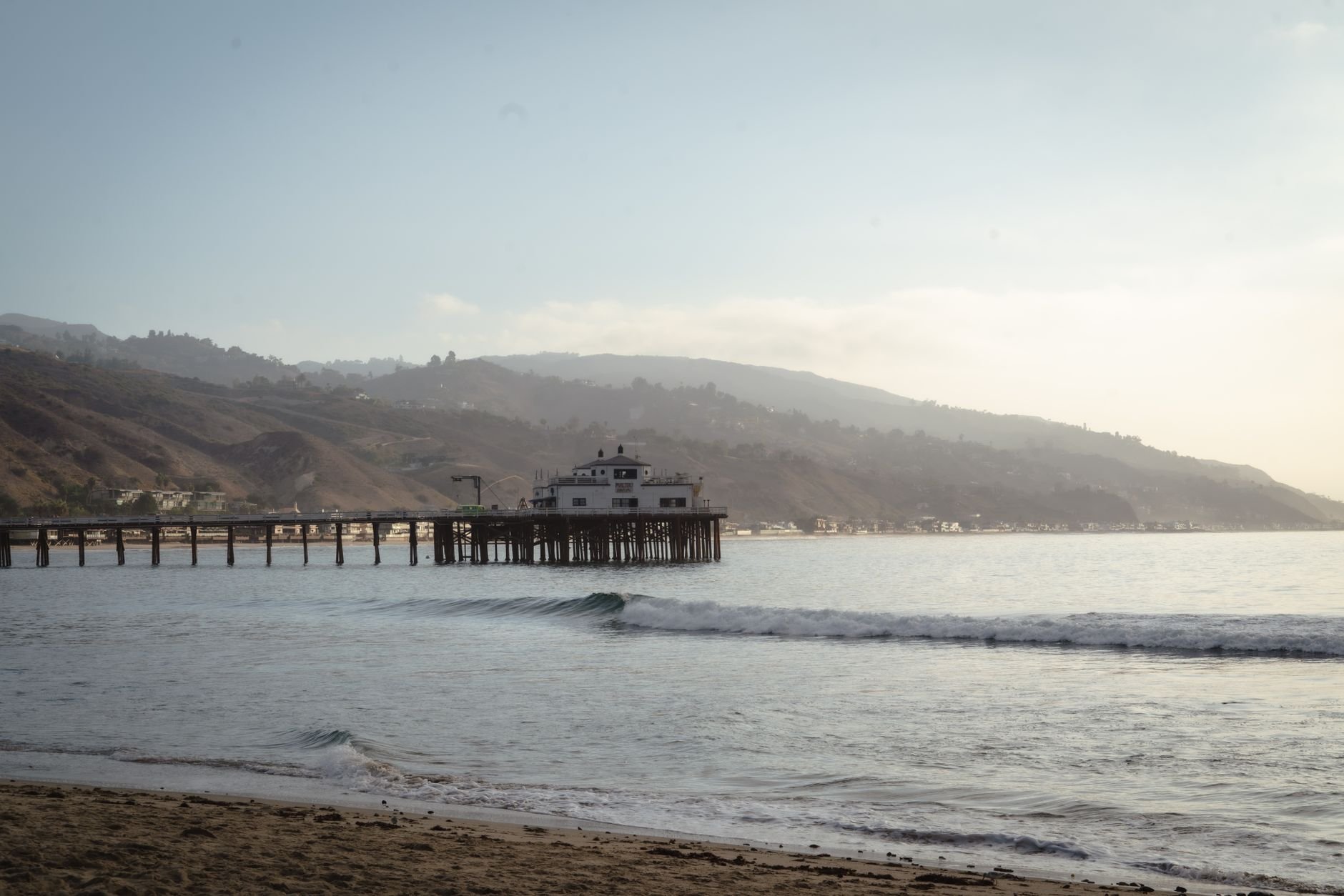
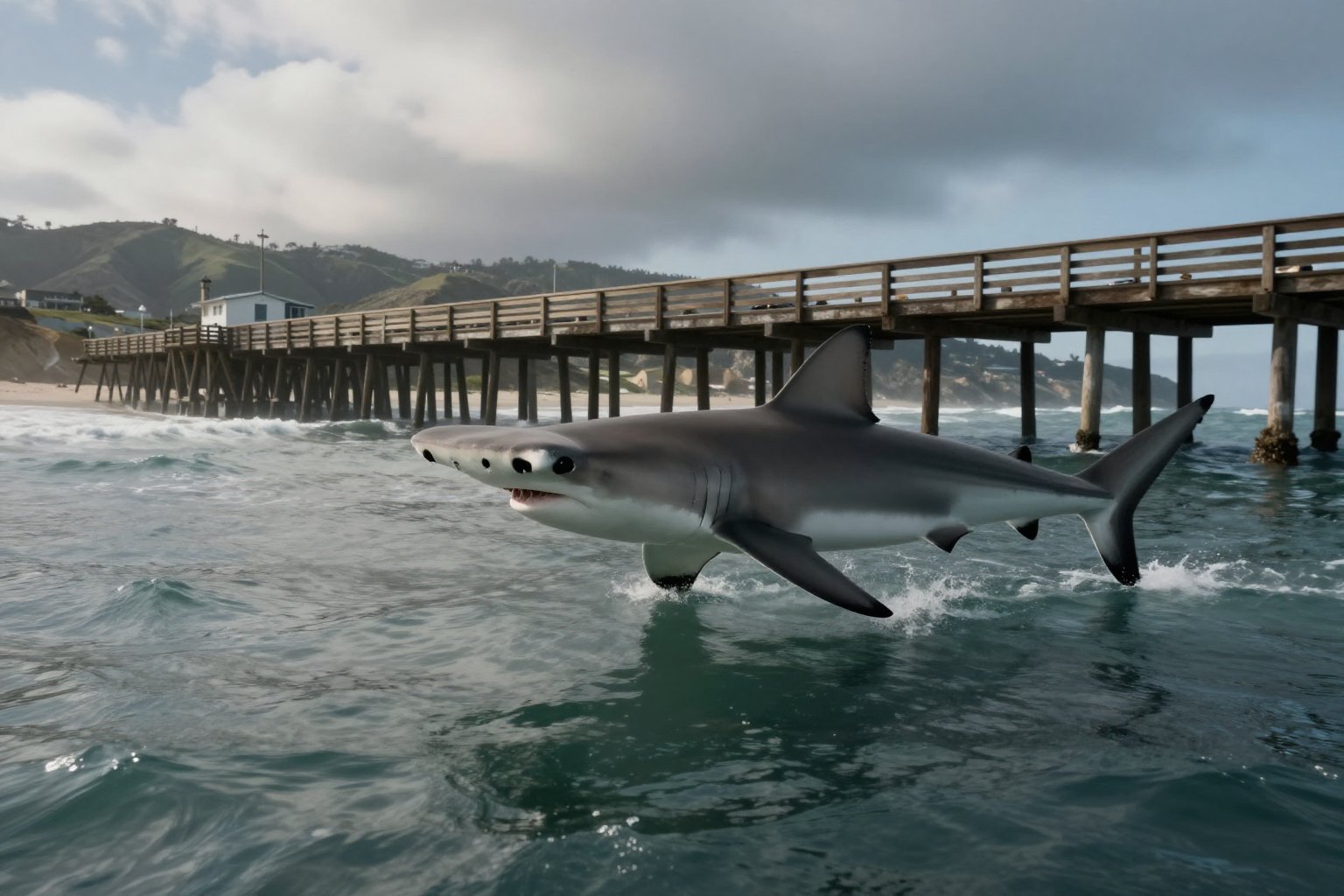
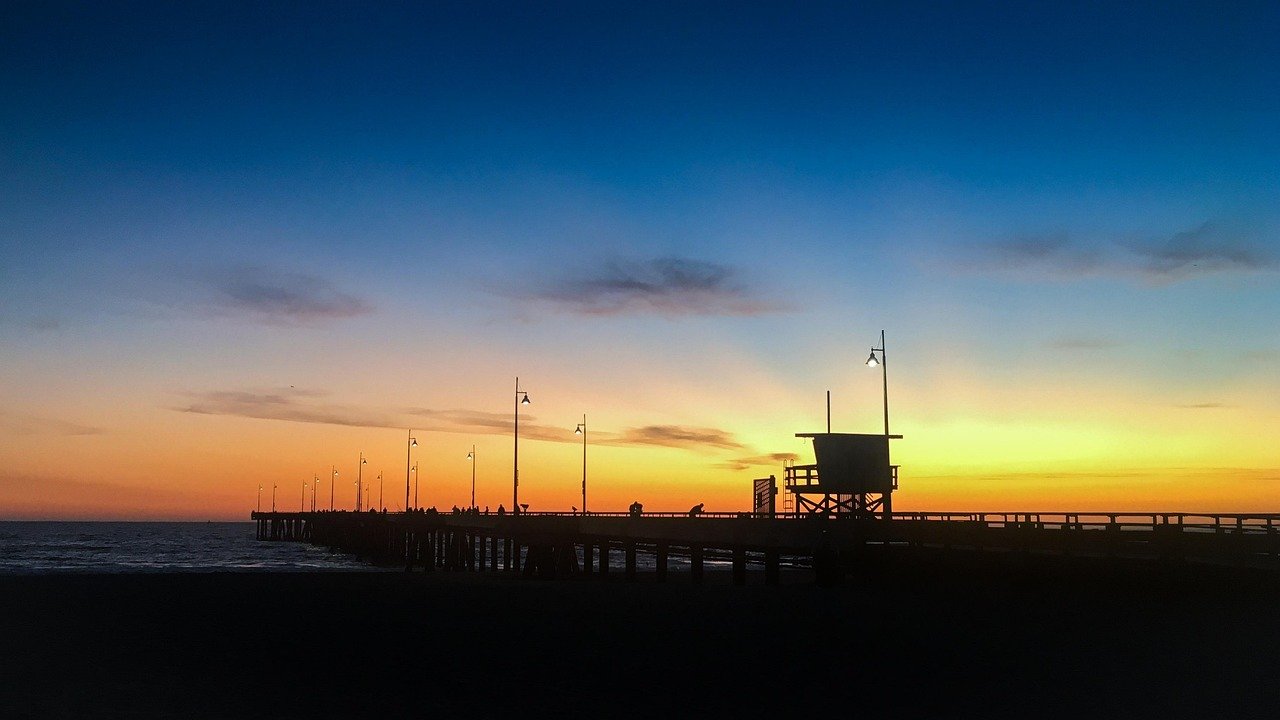
A hammerhead shark was seen circling Malibu Pier on August 15, startling local fishermen, an event linked to unusually warm ocean waters drawing tropical species northward along the California coast.
Fishermen at Malibu Pier spotted a rare hammerhead shark on August 15, 2026, an event linked to unusually warm Pacific waters drawing tropical marine life northward.
A marine heat wave off Southern California has driven stingrays nearer to shore, leading to a rise in stings among beachgoers on Thursday.
The NYC Parks Department reports a sharp rise in fallen and damaged trees across city parks, including Prospect Park, due to more frequent severe storms in 2026, prompting extensive removal and safety efforts.
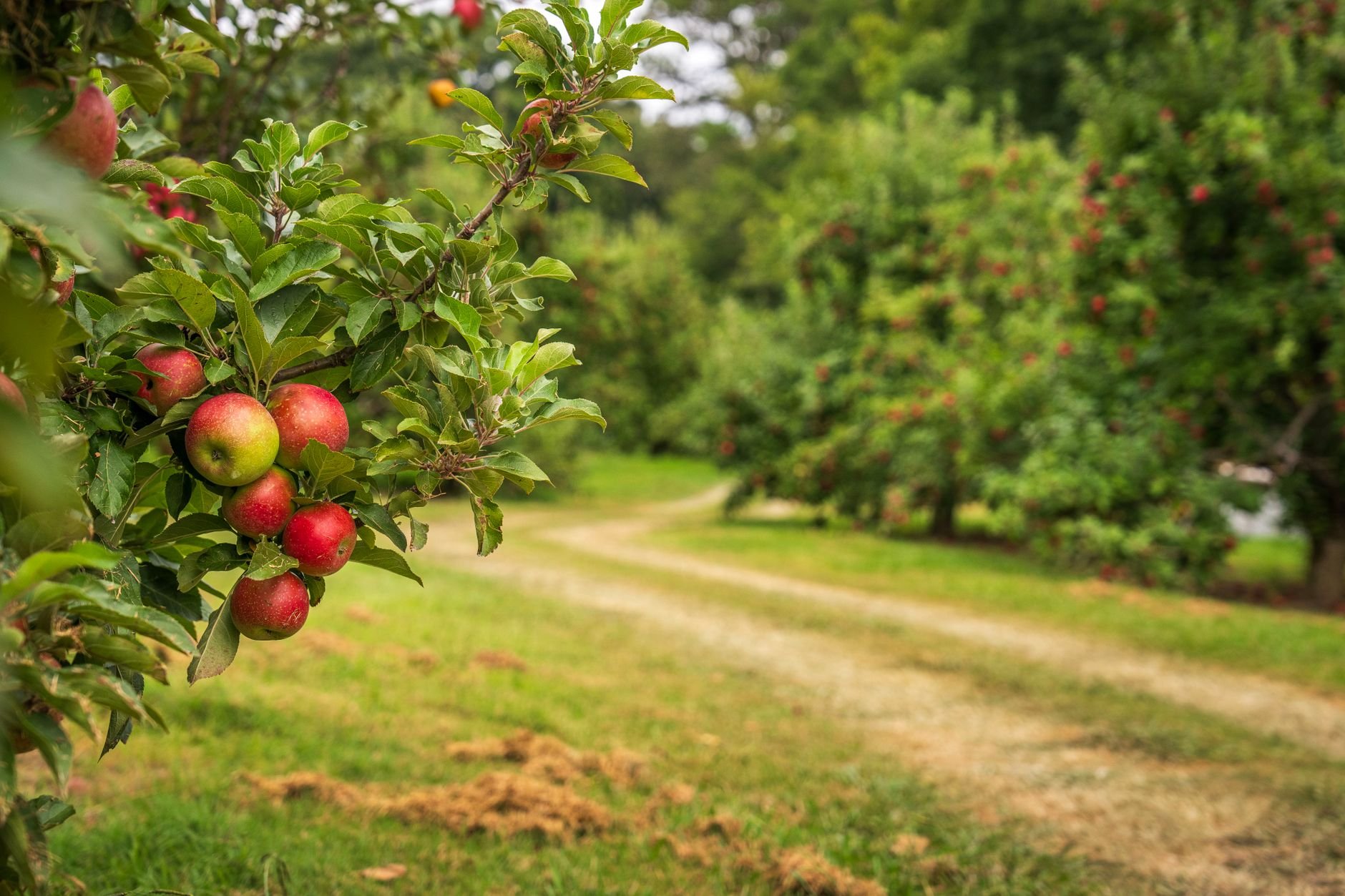
A Quebec apple grower near Montreal deployed an anti‑hail cannon on August 10, 2026, to protect orchards from freezing hail, using technology that originated in Europe and is now manufactured in New Zealand and Germany.
NOAA reports that July 2026 set a new heat record for the contiguous United States, with an average temperature of 76.89 °F, surpassing the Dust Bowl July 1936 record.
A new report finds that human‑induced climate change doubled the likelihood of severe fire conditions in Ontario and the Northwest Territories during July 2026, linking the intense wildfires that month to the heightened risk.
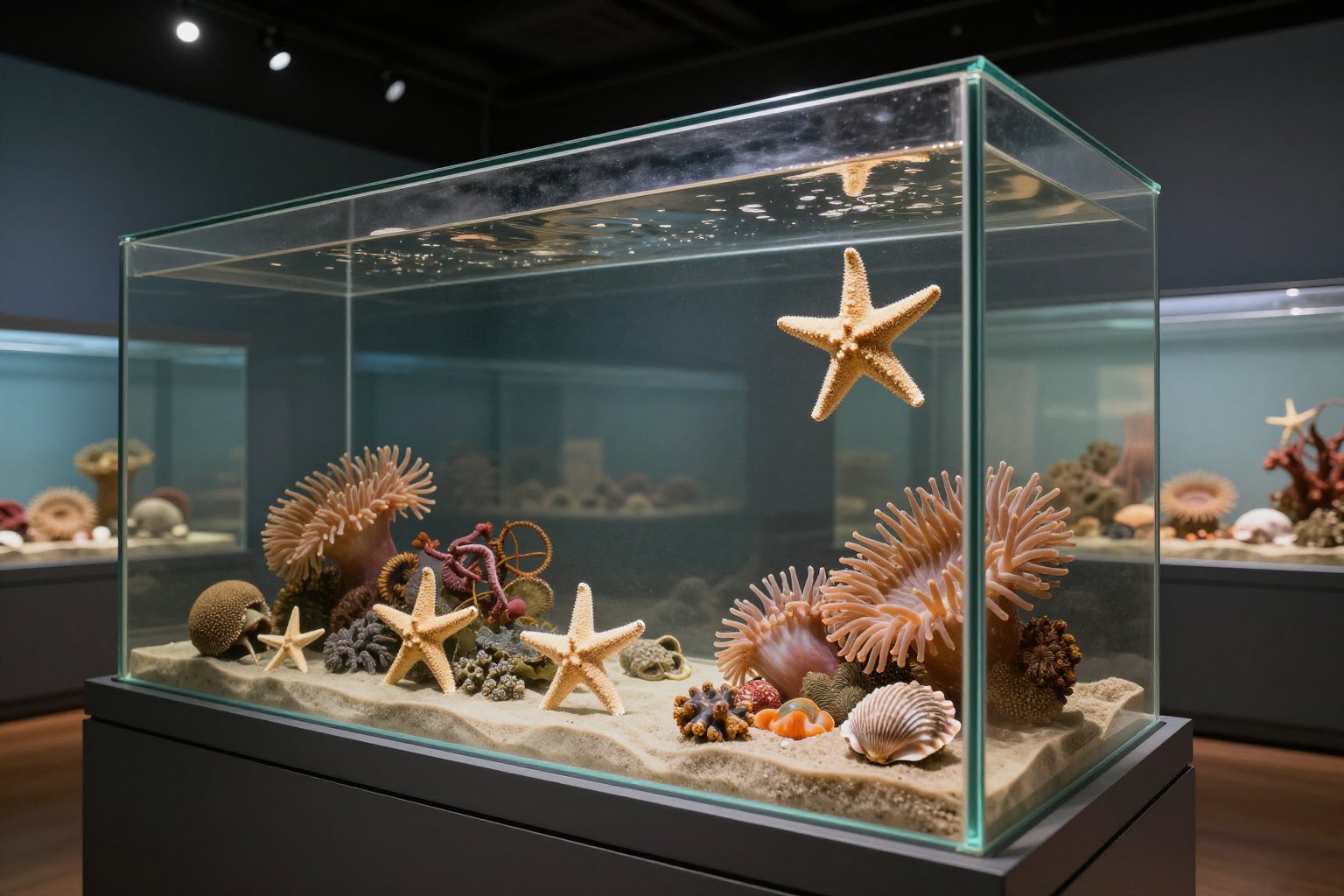
The Los Angeles County Natural History Museum is creating a biolibrary of tide‑pool organisms to monitor climate‑change effects on fragile coastal ecosystems. The reference collection will aid scientists in tracking shifts in species as warming temperatures and sea‑level rise impact California’s tide pools.
The Communauté métropolitaine de Montréal has asked Quebec to fund a project that will map flood‑prone buildings, citing a rise in severe rainstorms and related flooding across the city.
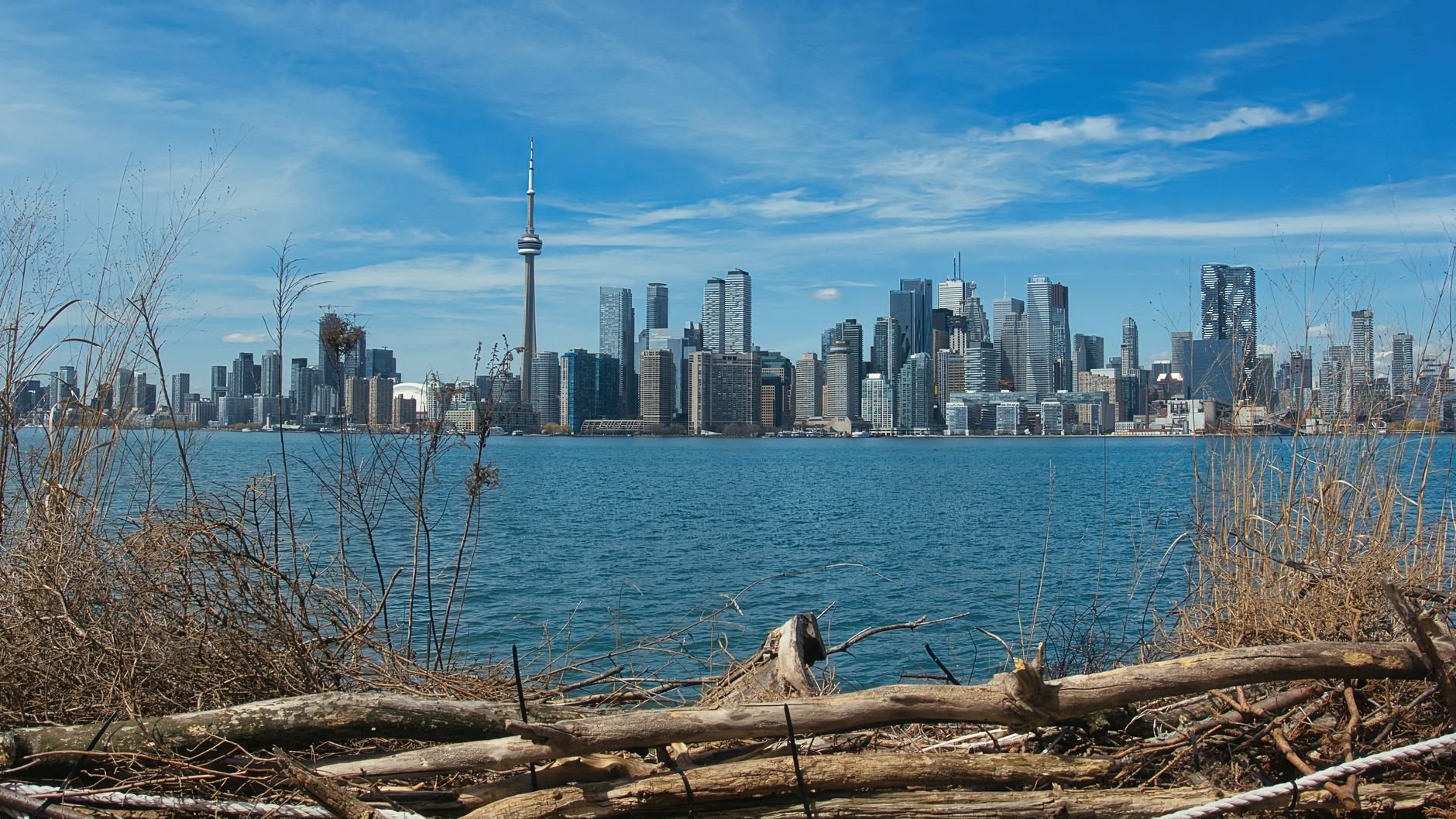
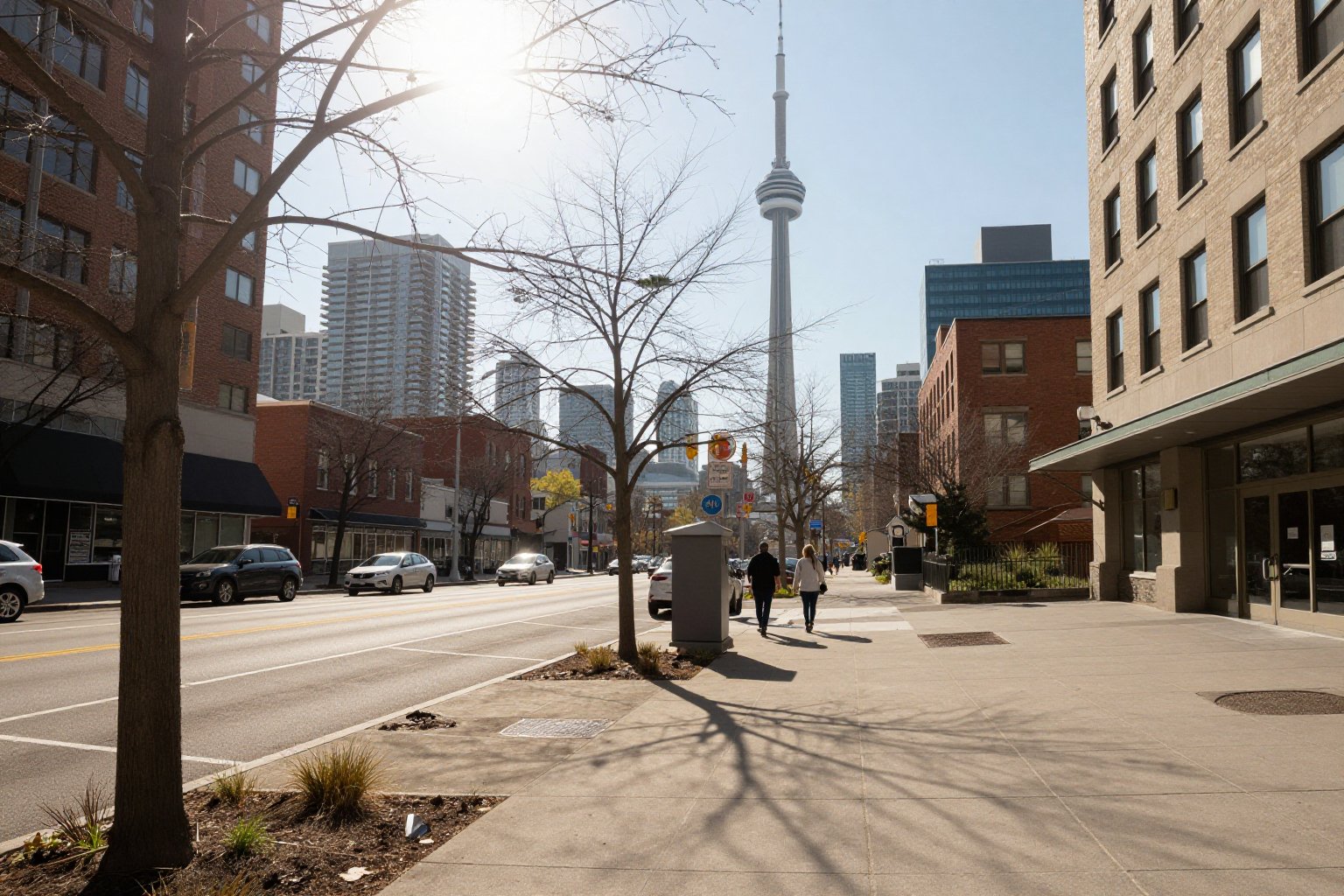
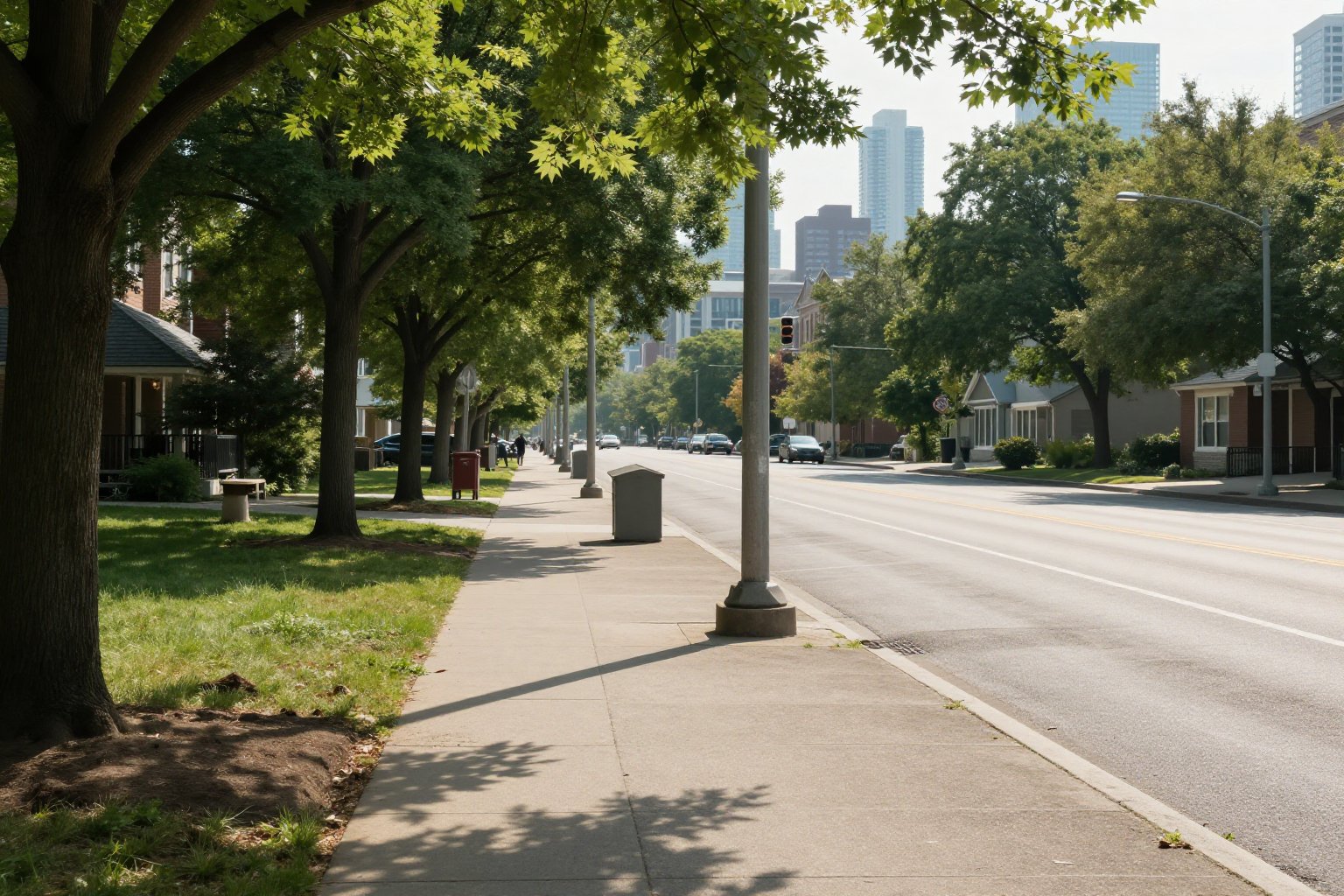
Toronto announced a city‑wide tree‑planting program and a plan to incorporate climate‑change considerations into urban design, aiming to close canopy gaps highlighted by the current heat wave.
Toronto announced a summer‑2026 plan to plant trees across all neighbourhoods and embed climate‑change considerations in urban design, aiming to reduce temperature differences caused by uneven canopy during an extreme heat wave.
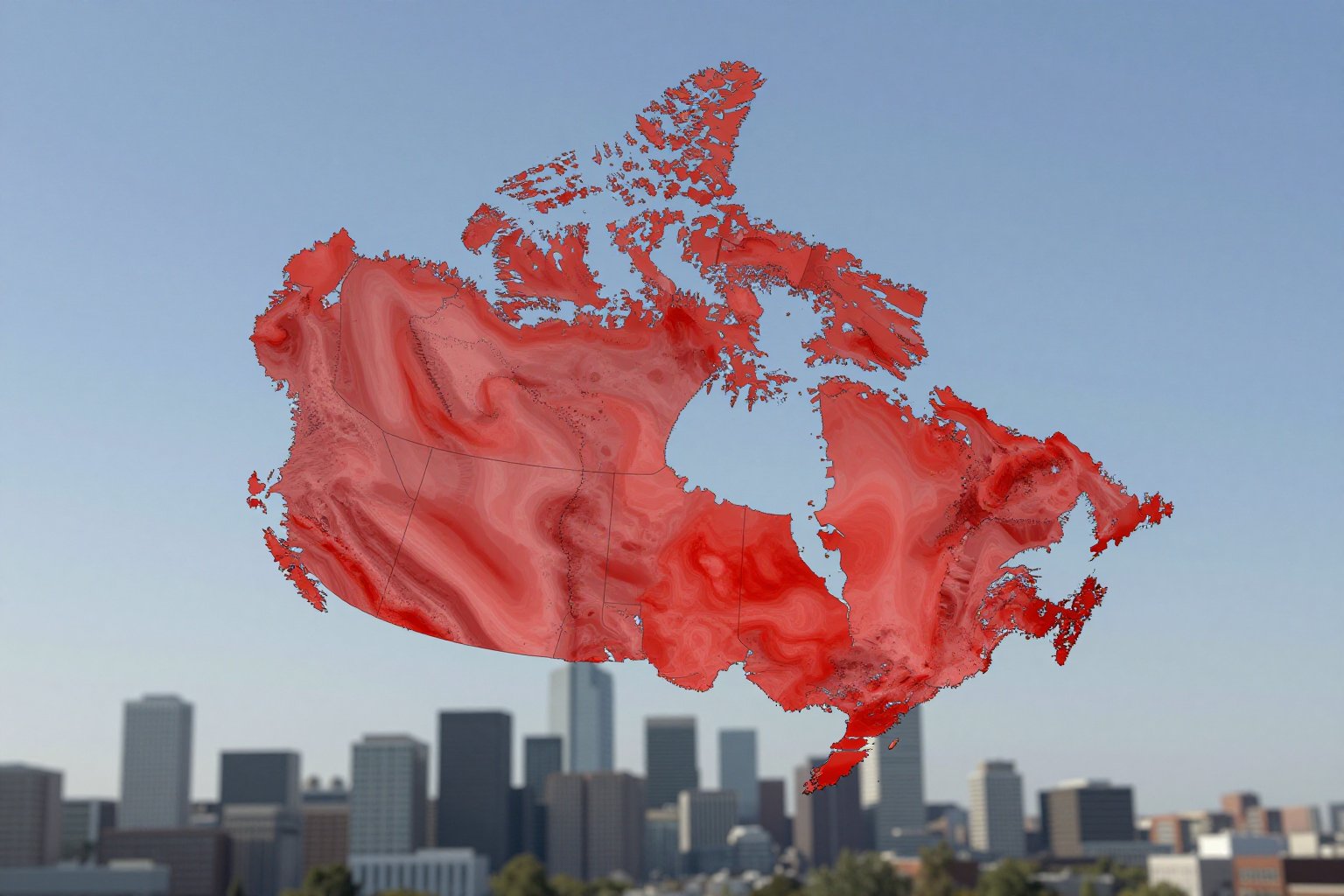
Environment Canada issued extreme heat warnings on July 14, 2026 for Ontario, Quebec, Manitoba and the Northwest Territories, citing unusually high temperatures expected in those areas.