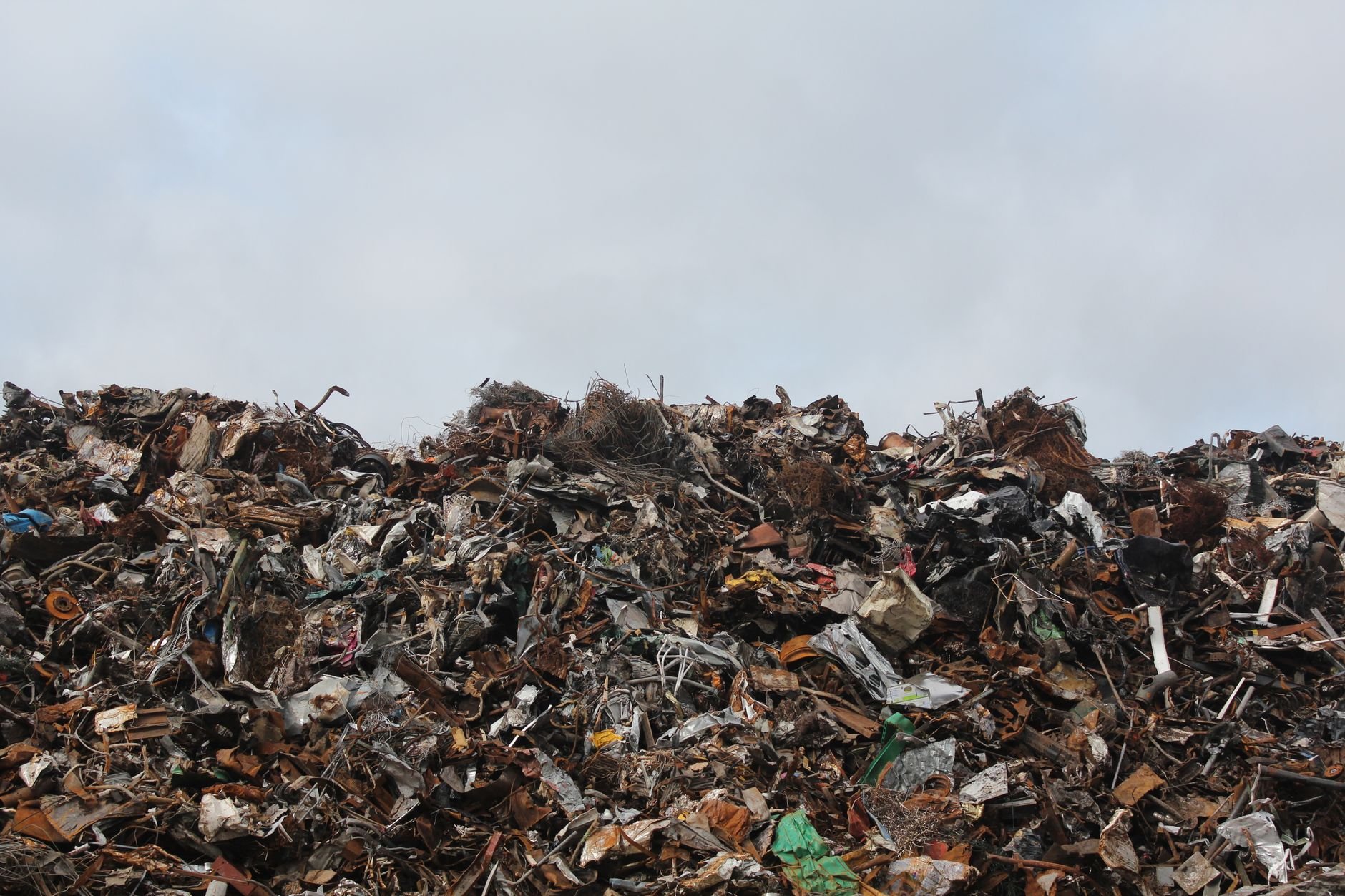
Philadelphia Pays Nearly $9 Million Annually to Clean Illegal Dumps
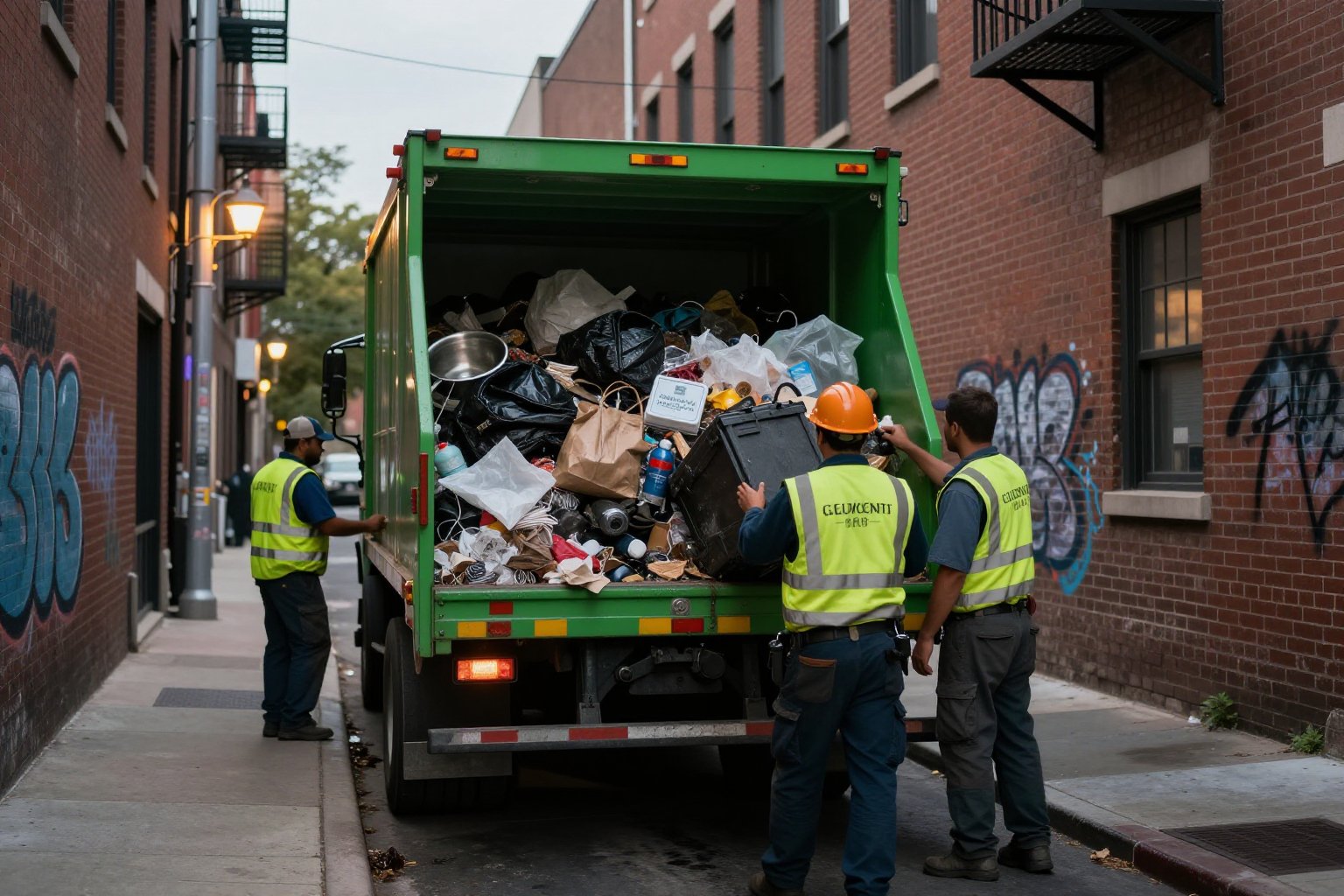
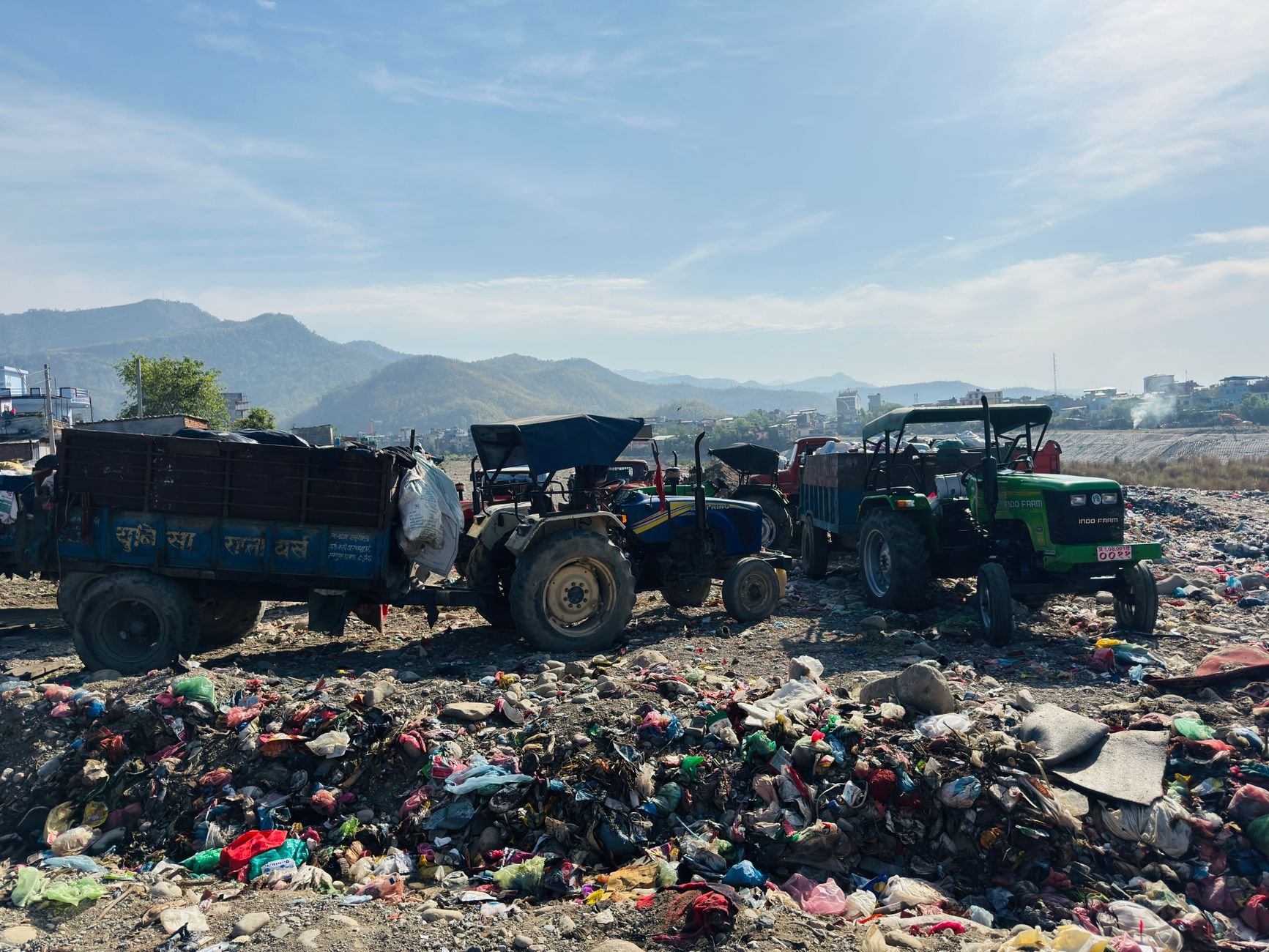
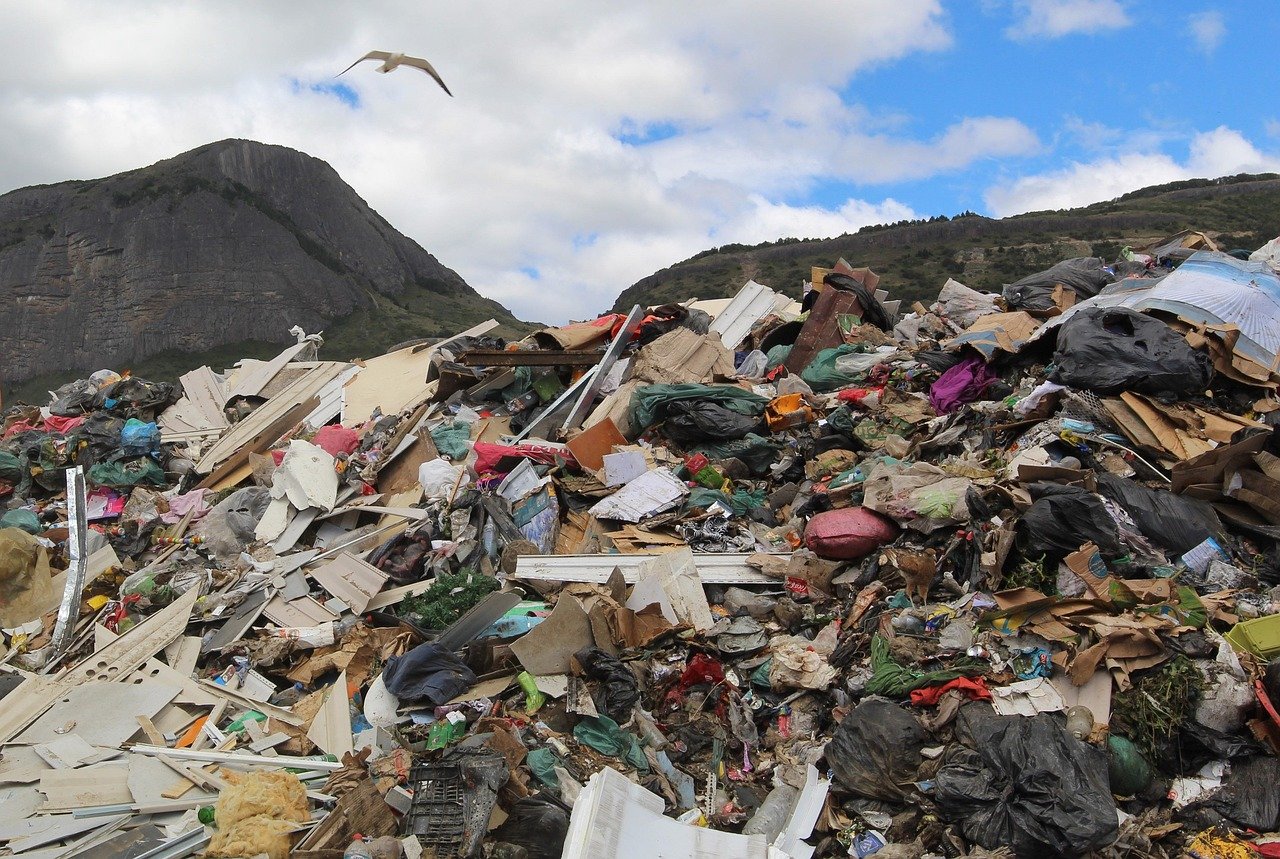
Philadelphia spends nearly $9 million each year to remove about 14,000 tons of illegally dumped waste, at a cost of $619 per ton, according to city officials.
Tag
67 storiesnewest firstlatest September 15, 2026page 2 of 4
Philadelphia spends nearly $9 million each year to remove about 14,000 tons of illegally dumped waste, at a cost of $619 per ton, according to city officials.
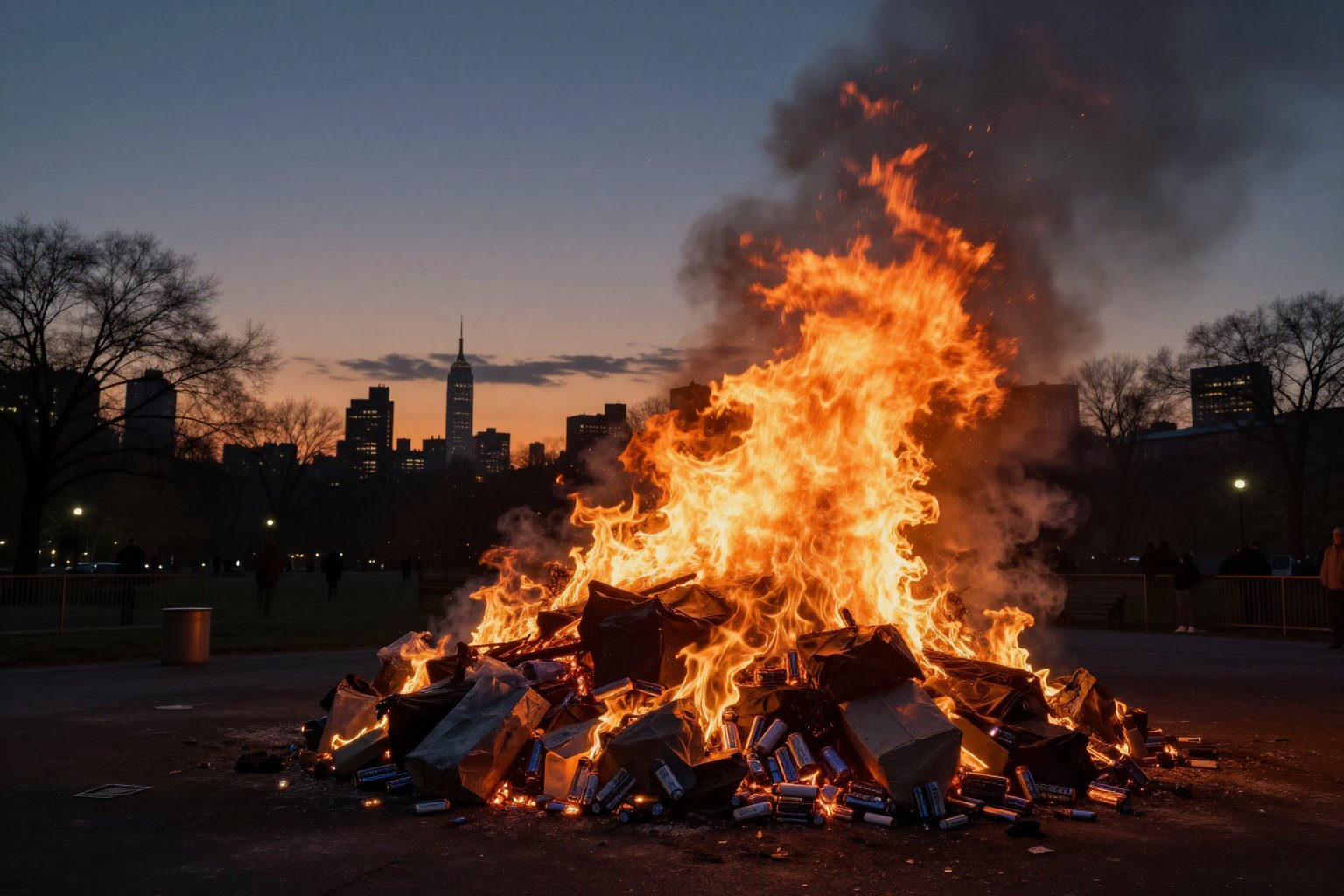
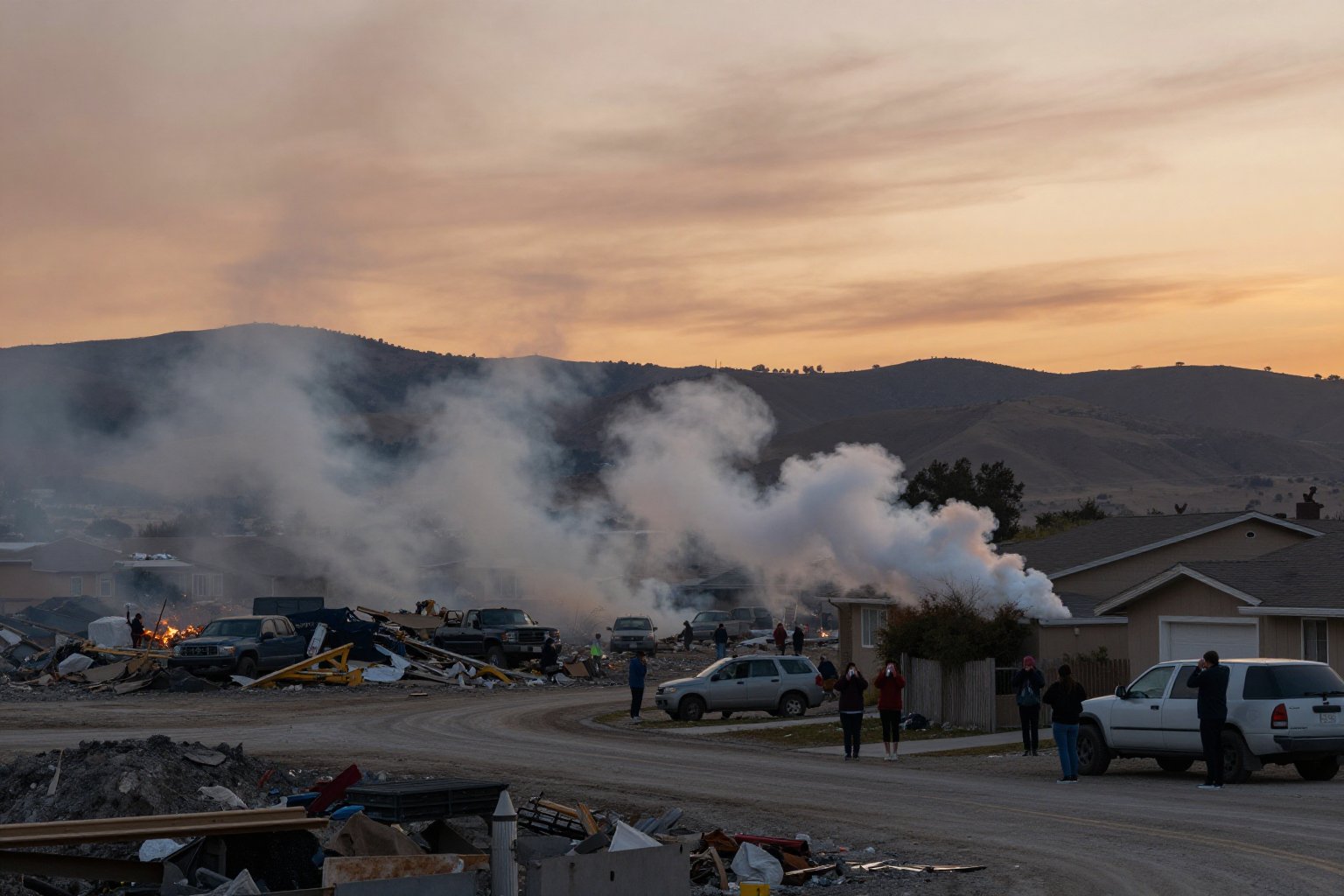
A discarded lithium‑ion battery exploded at an illegal trash dump in Sunset Park, Brooklyn on September 10, igniting a fire that required hazmat response. The blaze draws attention to ongoing concerns about unsafe dumping practices in the neighborhood.
An exploding lithium‑ion battery set fire to an informal trash dump in Sunset Park, Brooklyn, prompting a hazmat response and drawing attention to longstanding illegal dumping and rodent problems at the site.
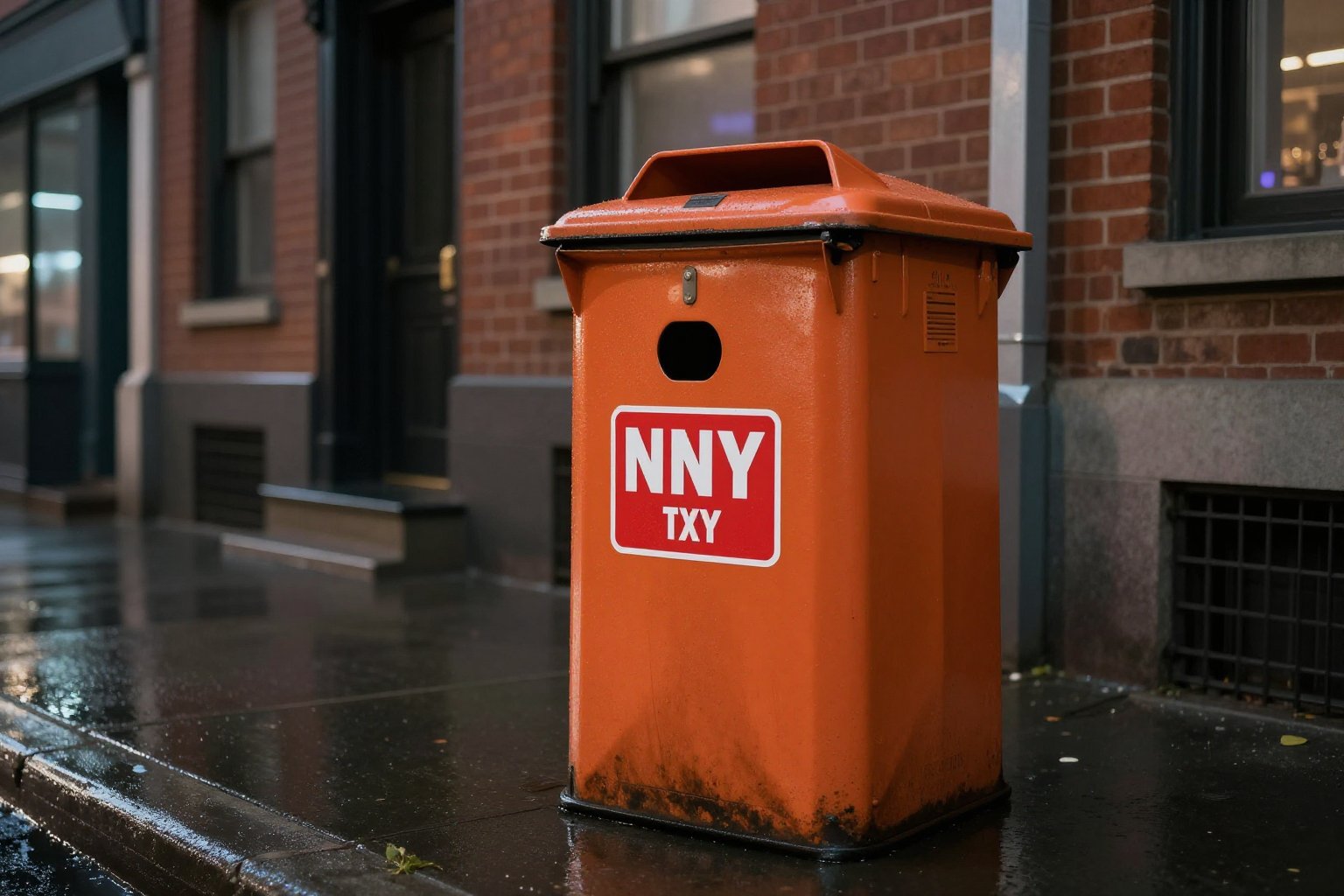
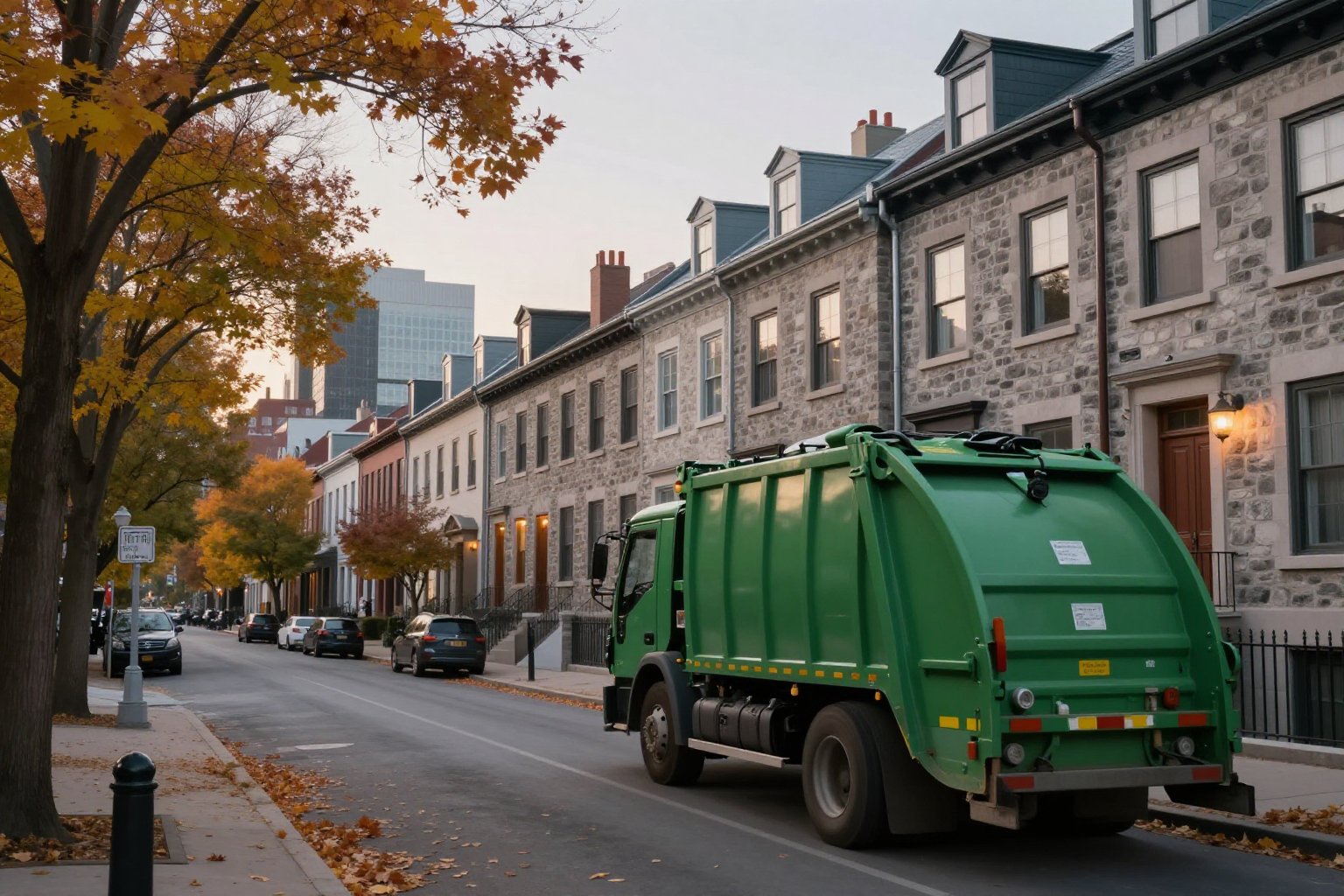
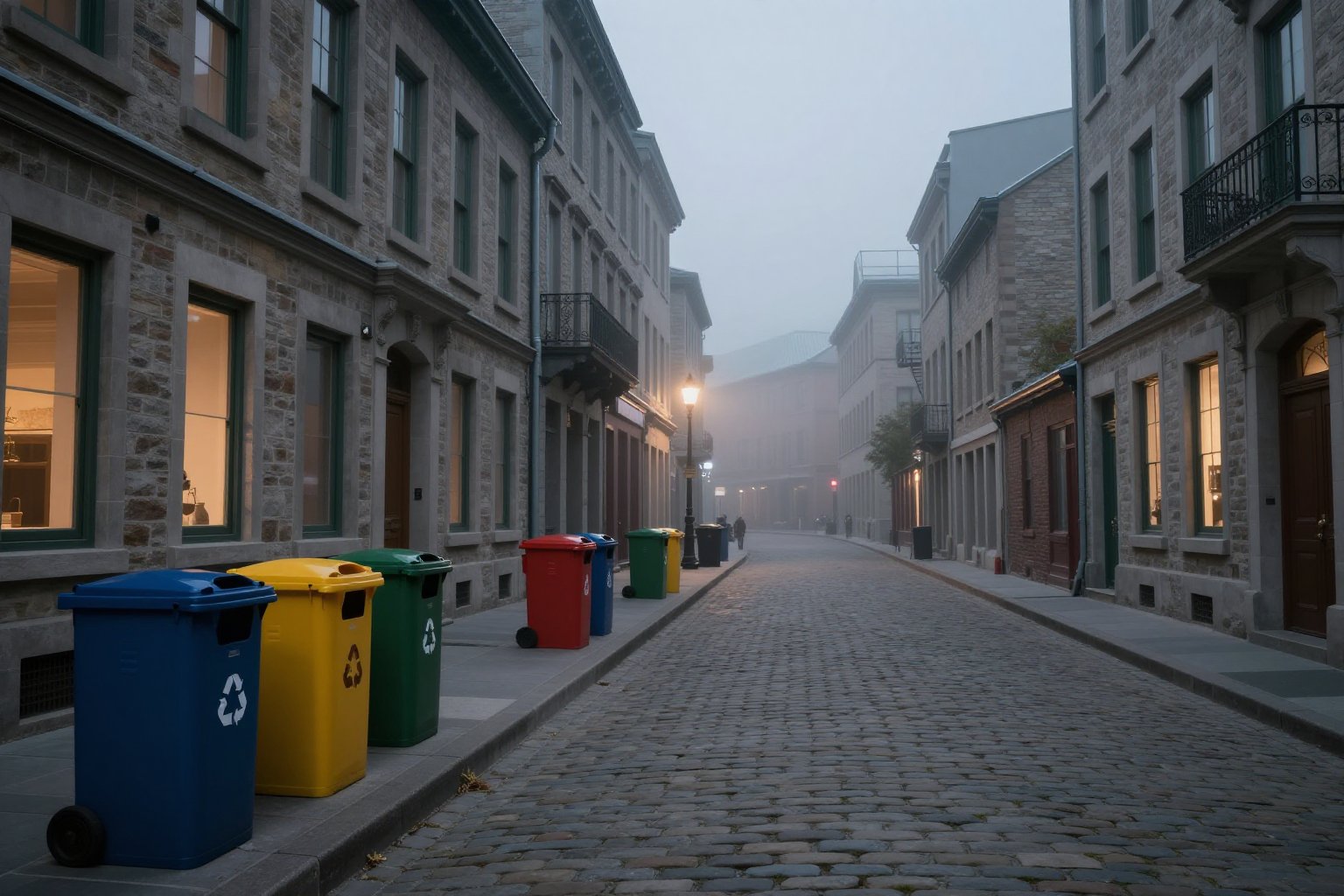
New York City now requires residential buildings with one to nine units to use trash containers instead of sidewalk bags, imposing fines for non‑compliance to reduce litter and keep streets cleaner.
NYC is fining owners of small buildings $50 to $200 for not using the city‑mandated trash bins, enforcing a policy that requires all property owners to place waste in official receptacles.
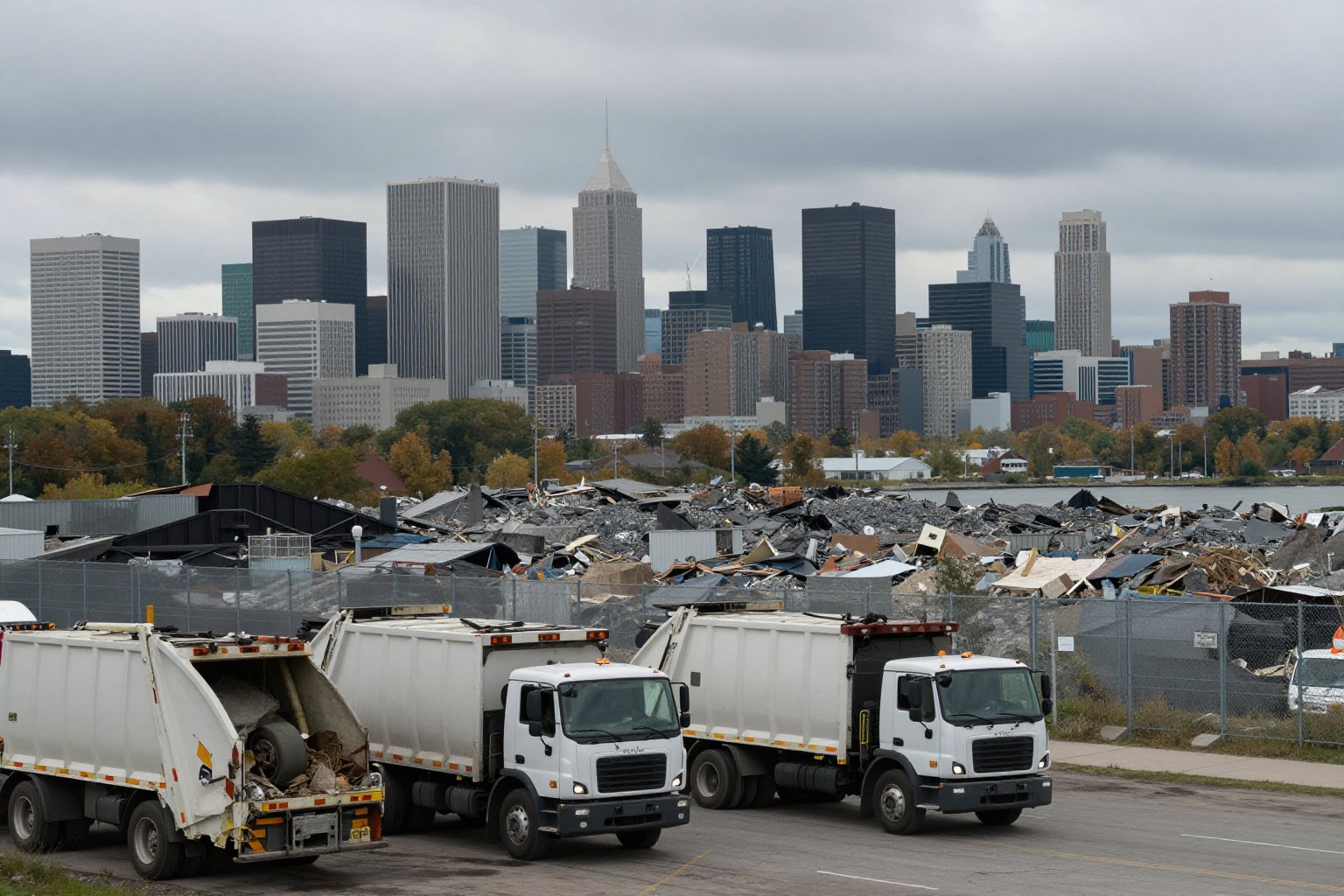
Simi Valley residents complained of strong, worsening odors on August 29 as a nearby landfill processed food waste and debris from a recent Boyle Heights warehouse fire. Officials say the landfill is following standard protocols while working to control the smell.
Simi Valley residents reported strong foul odors on August 29, 2026, after a landfill began processing rotten food debris from a Boyle Heights warehouse fire. The smell has prompted complaints and ongoing monitoring by local officials.
Montreal will start biweekly residual waste collection in Ahuntsic‑Cartierville, Villeray–Saint‑Michel–Parc‑Extension, Pierrefonds‑Roxboro and L’Île‑Bizard–Sainte‑Geneviève this autumn, expanding a program that began in Mercier–Hochelaga‑Maisonneuve.
Montreal will introduce biweekly residual waste collection in four boroughs this fall, extending the program that was first piloted in Mercier–Hochelaga‑Maisonneuve. The change follows controversy over the earlier trial and the city will monitor the rollout.
Montreal will begin biweekly residual‑waste collection in four more boroughs this autumn, extending a schedule first used in Mercier‑Hochelaga‑Maisonneuve, which had sparked public debate.
Montreal will extend its biweekly residual waste collection to Ahuntsic‑Cartierville, Villeray‑Saint‑Michel‑Parc‑Extension, Pierrefonds‑Roxboro and L’Île‑Bizard‑Sainte‑Geneviève this fall, following its initial launch in Mercier‑Hochelaga‑Maisonneuve.
Montreal will begin biweekly residual waste collection in Ahuntsic‑Cartierville, Villeray‑Saint‑Michel‑Parc‑Extension, Pierrefonds‑Roxboro and L’Île‑Bizard‑Sainte‑Geneviève this fall, expanding the program first tested in Mercier‑Hochelaga‑Maisonneuve.
Montreal will add four boroughs—Ahuntsic‑Cartierville, Villeray‑Saint‑Michel‑Parc‑Extension, Pierrefonds‑Roxboro and L’Île‑Bizard‑Sainte‑Geneviève—to its biweekly residual waste collection program in fall 2026, following a controversial pilot in Mercier–Hochelaga‑Maisonneuve.
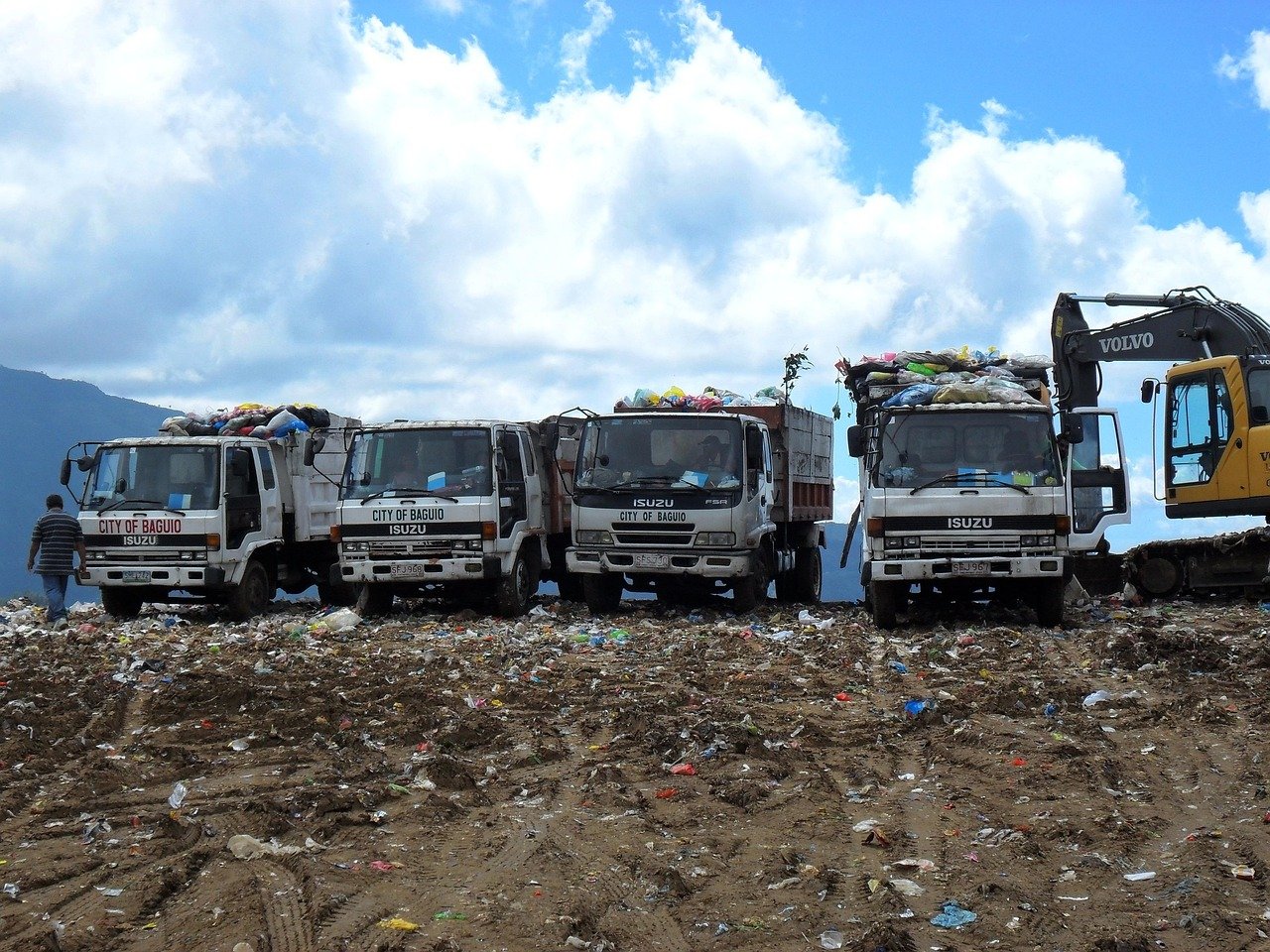
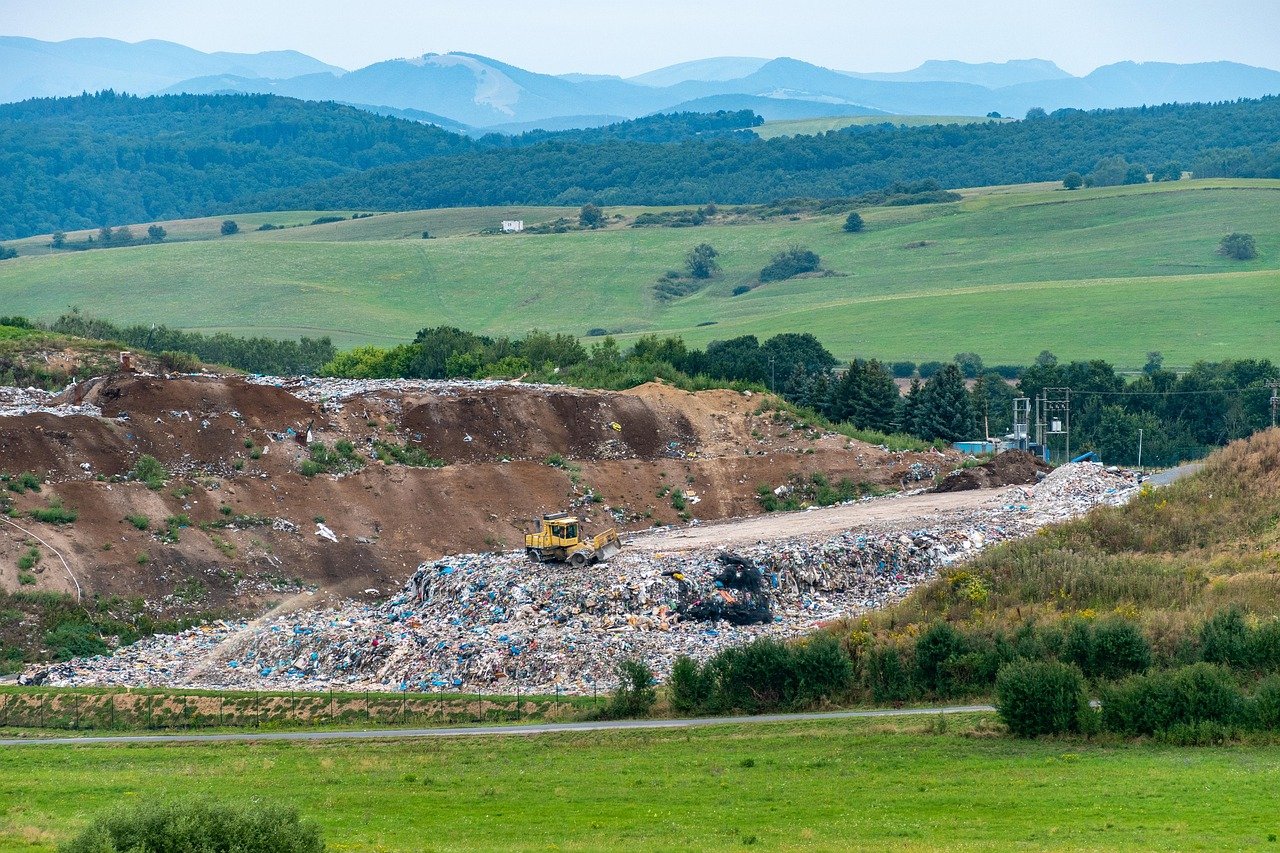
An audit released on 25 August reveals that most Montreal residential waste still goes to landfills, putting the city behind its aim to limit landfill waste to 15% within less than four years.
An audit released on Aug. 25 shows Montreal is still sending most waste to landfills and is unlikely to meet its 15 percent diversion target by 2030, with less than four years left. The report urges the city to tighten metrics and enforcement to accelerate waste diversion.
An audit by Montreal's auditor general shows most household waste still goes to landfills, making the city's 15% landfill target unlikely to be met with less than four years left.
An auditor‑general report released Tuesday shows most of Montreal’s household waste still ends up in landfills, putting the city well behind its 2030 target of limiting landfill disposal to 15 percent.
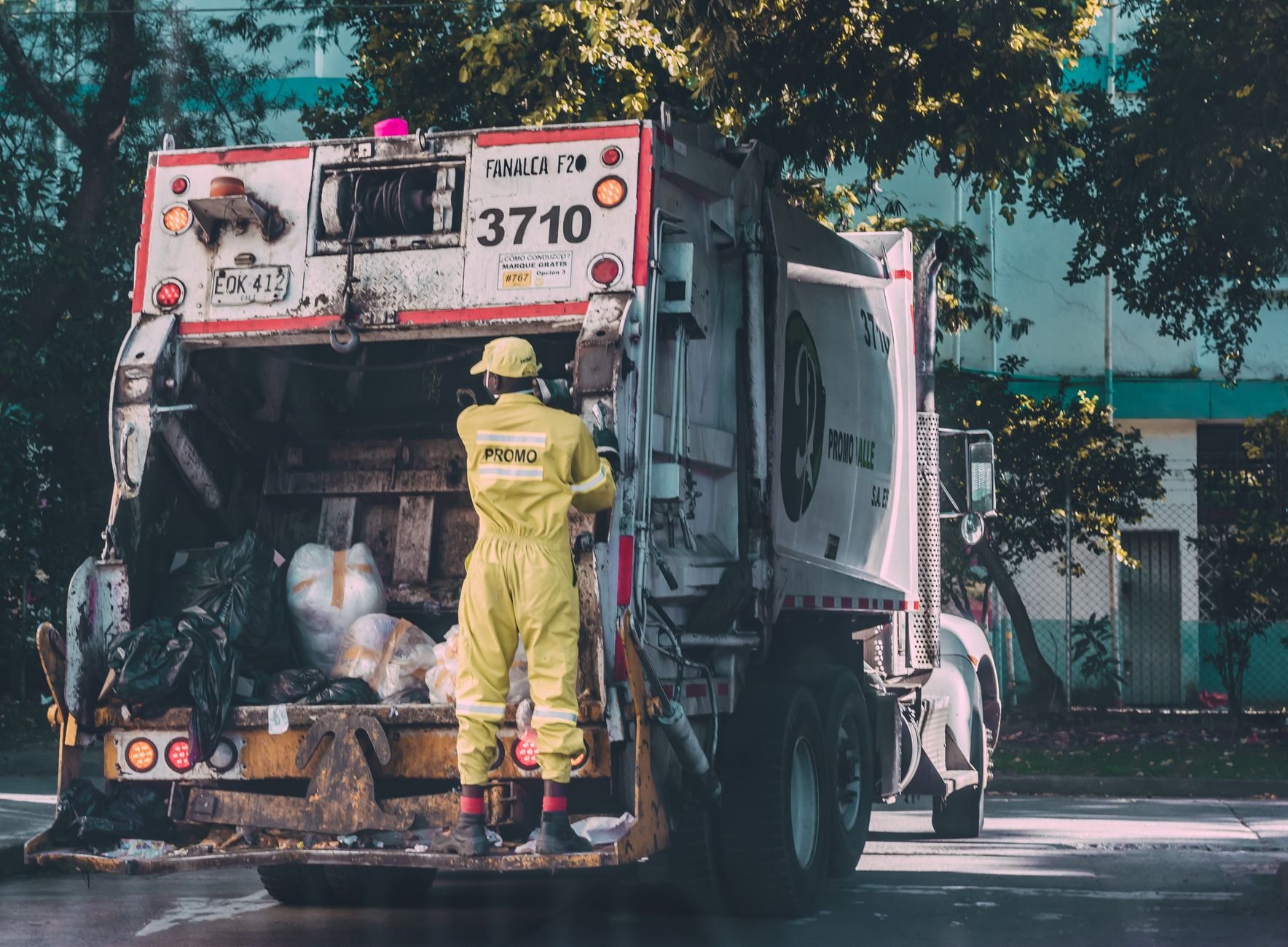
In 2026, 49 New York City sanitation workers were punctured by needles from weight‑loss auto‑injector pens thrown into regular trash, highlighting the need for proper sharps disposal.
Lineage Logistics reported that it cleared 101.8 percent of the food‑waste removal target for its Boyle Heights cold‑storage warehouse, completing the self‑imposed deadline set after a fire two months earlier.
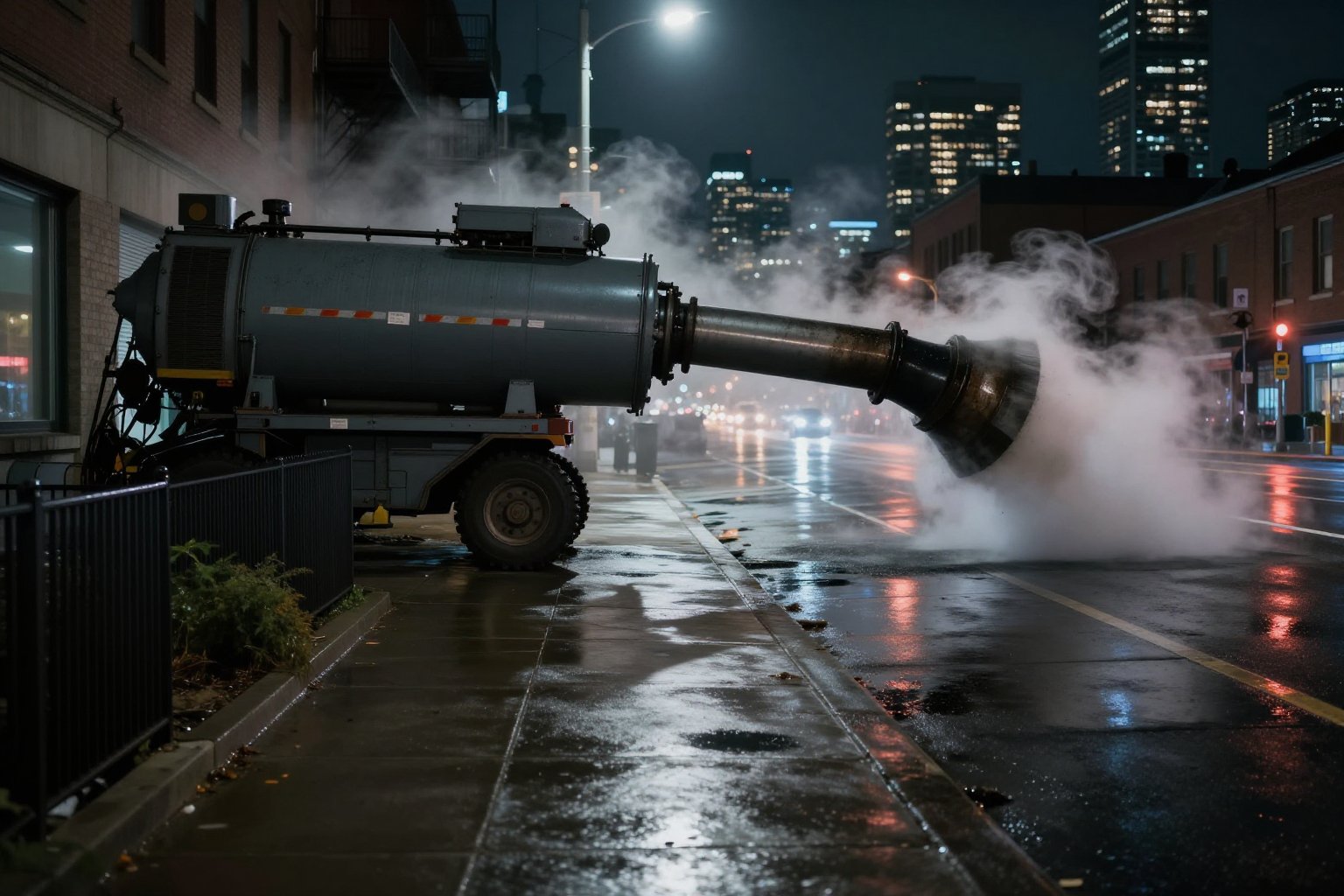
Exprolink’s waste‑vacuum machines produced a sound resembling the Montreal subway on Toronto streets on August 16, 2026, highlighting the unexpected reach of the Quebec company’s equipment.