Montreal injects waste‑derived biogas into city pipelines
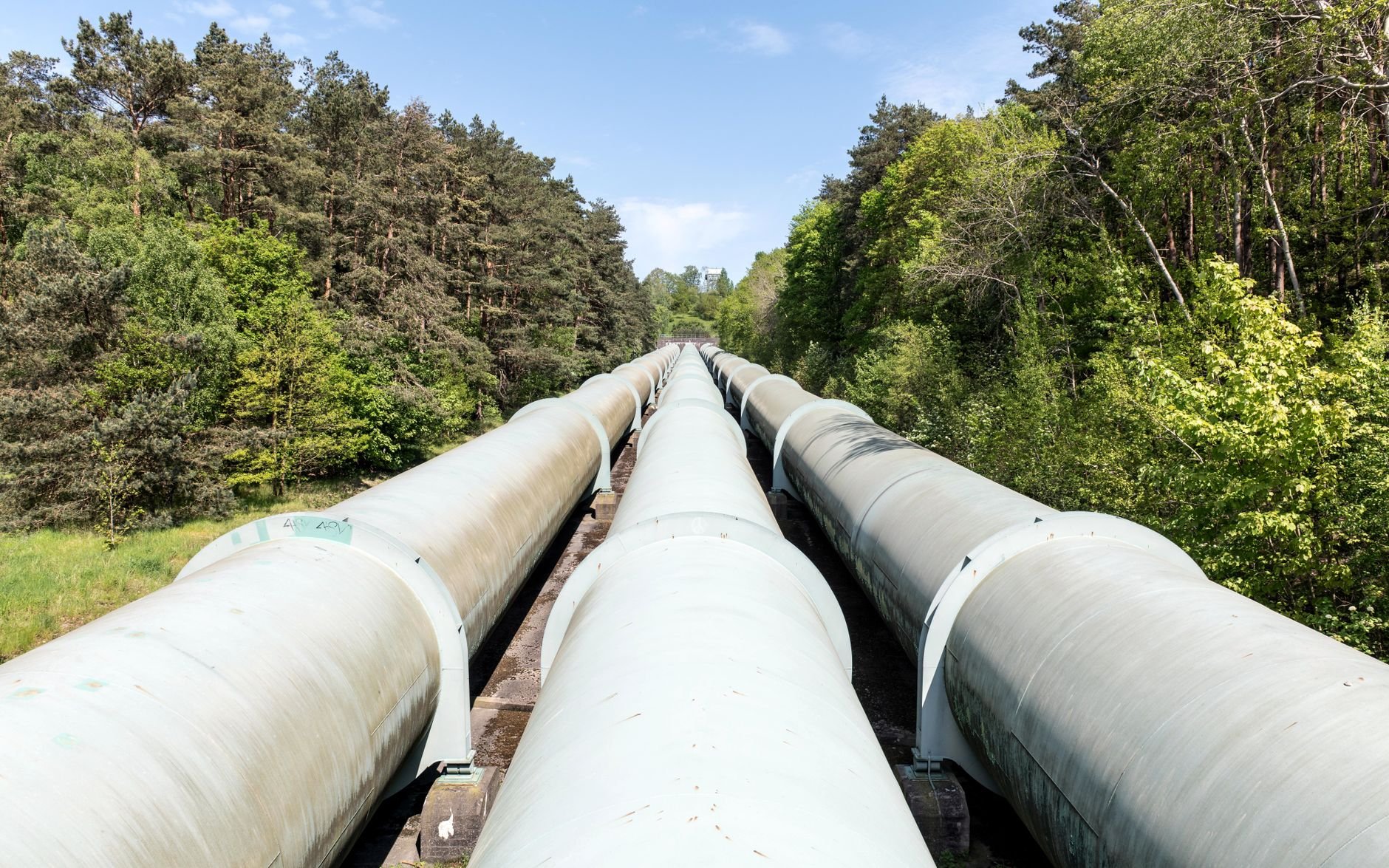
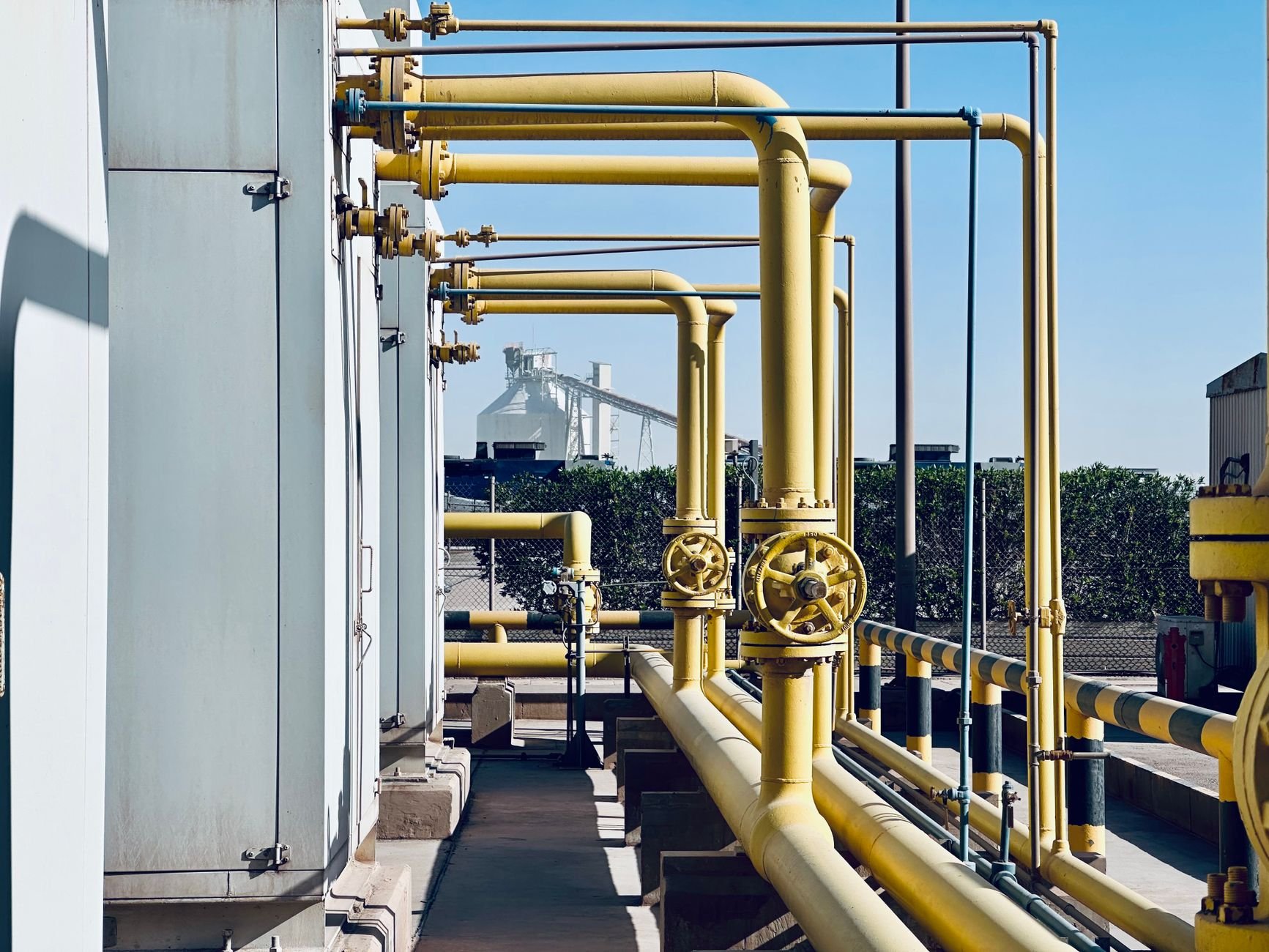
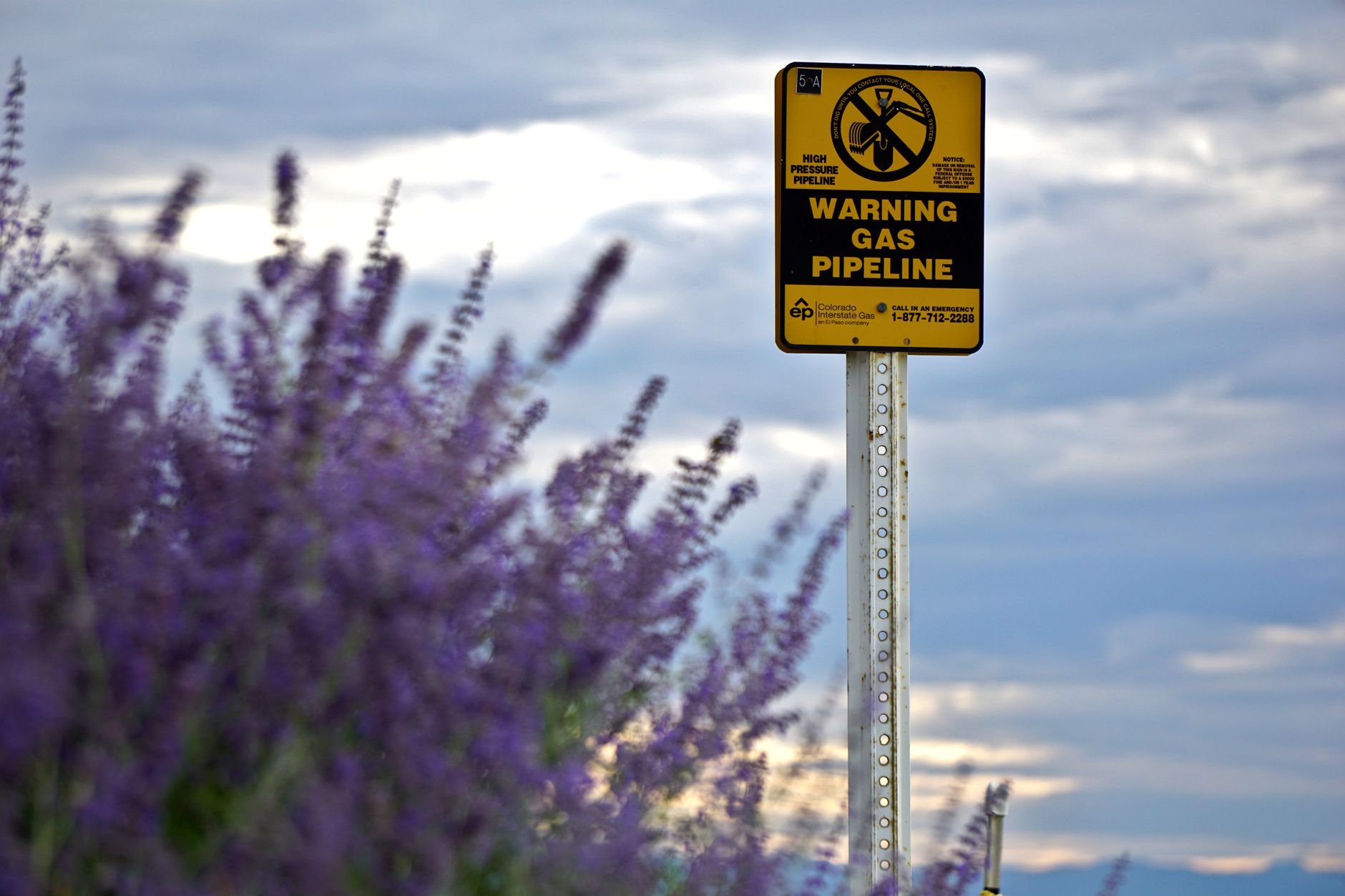
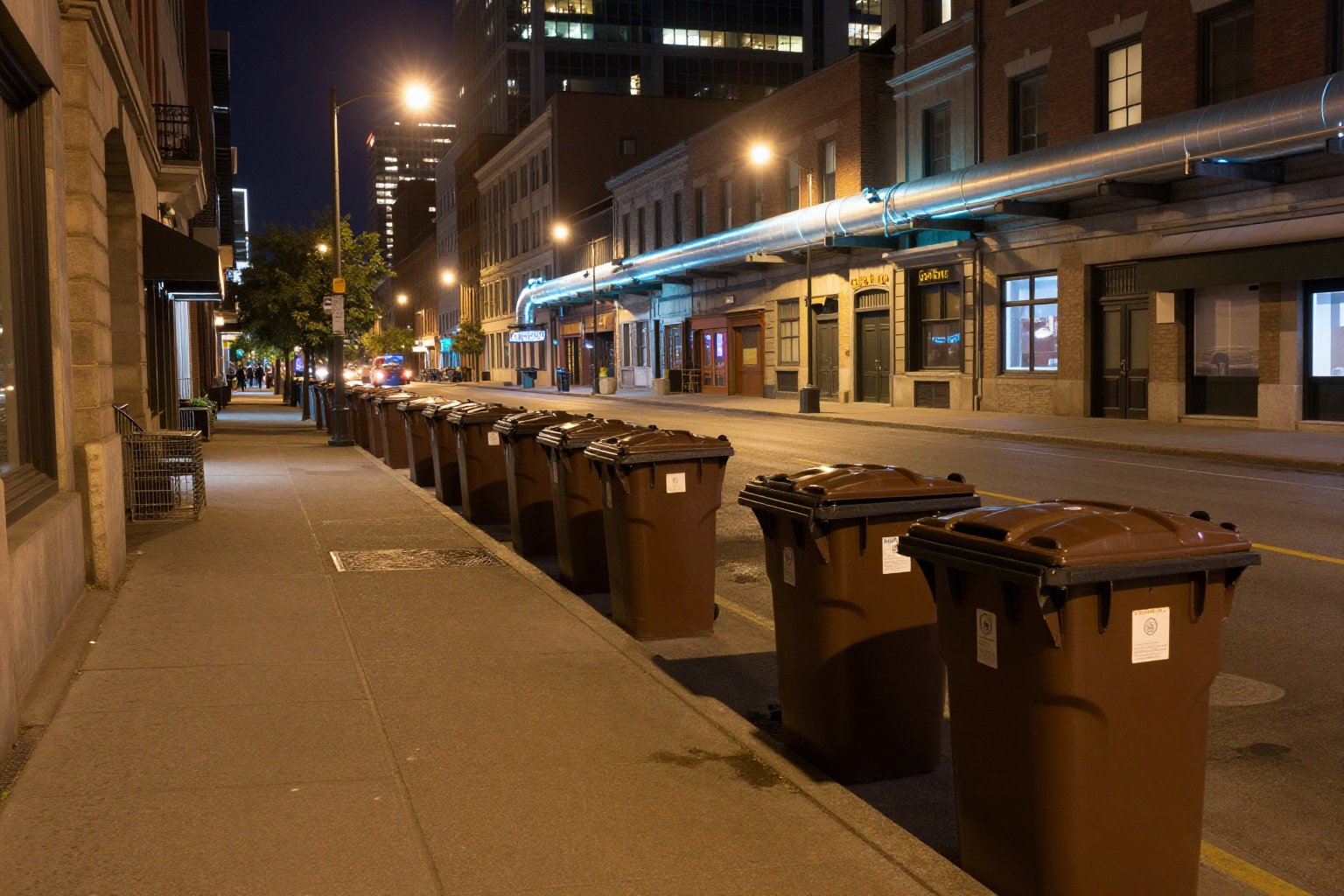
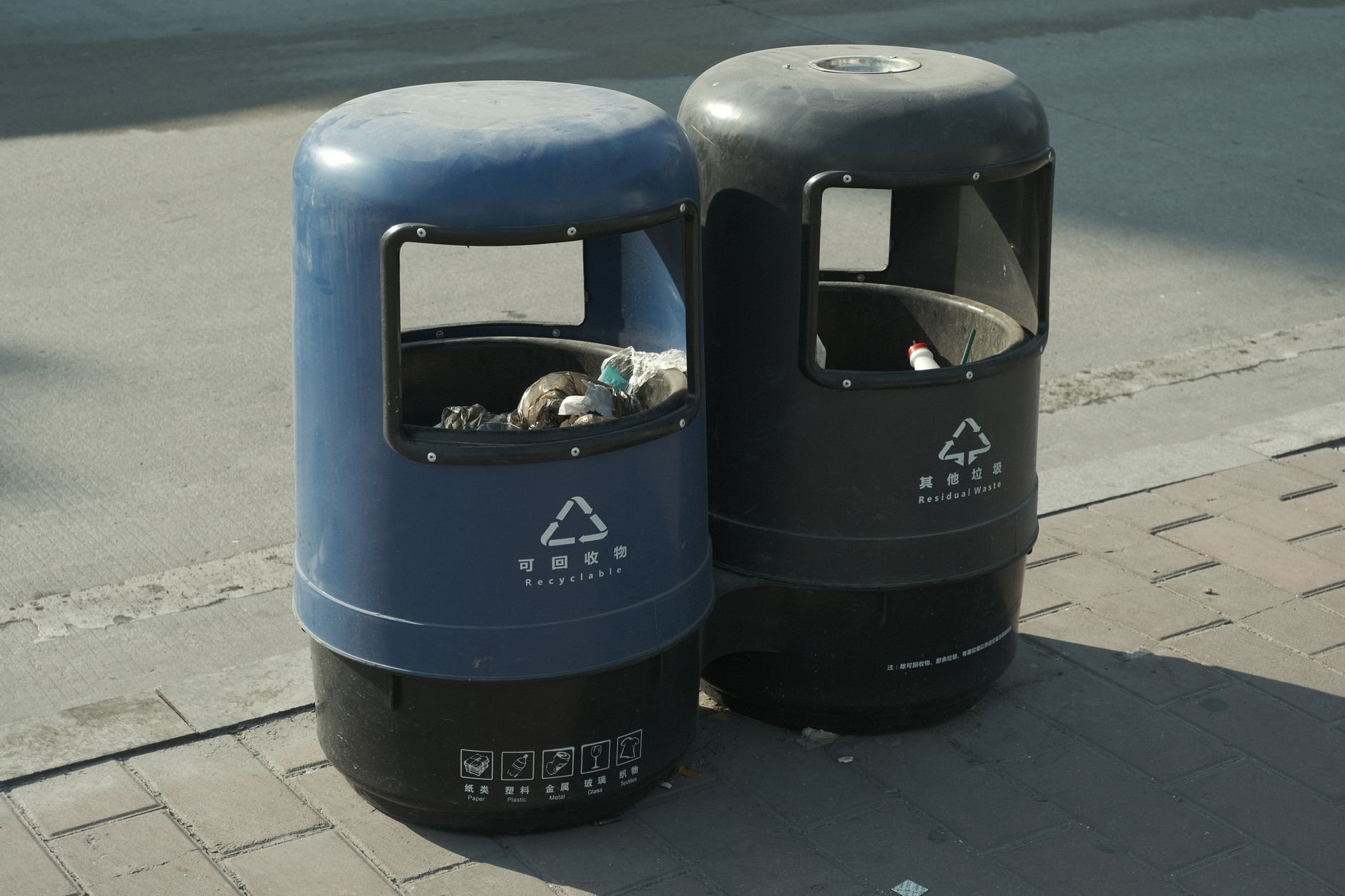
Montreal and Energir began injecting biogas from household organic waste into the city’s natural gas pipeline on October 13, 2026, using it to supplement the existing gas supply.
Tag
18 storiesnewest firstlatest October 14, 2026
Montreal and Energir began injecting biogas from household organic waste into the city’s natural gas pipeline on October 13, 2026, using it to supplement the existing gas supply.
Montreal and Energir have started adding biogas derived from brown‑bin organic waste to the city's natural‑gas network.
Montreal has started adding biomethane made from brown‑bin organic waste to the local gas pipeline operated by Energir.
Montreal and Energir started adding renewable natural gas from brown-bin organic waste to the city’s gas network, using the existing waste collection program as feedstock.
Montreal and Energir are now feeding biogas made from brown‑bin waste into the city’s natural‑gas grid.
California and New York attorneys general sued the Trump administration on September 22, 2026, to block a plan to repurchase offshore wind leases, arguing it would halt wind projects like Invenergy’s and favor fossil fuels.
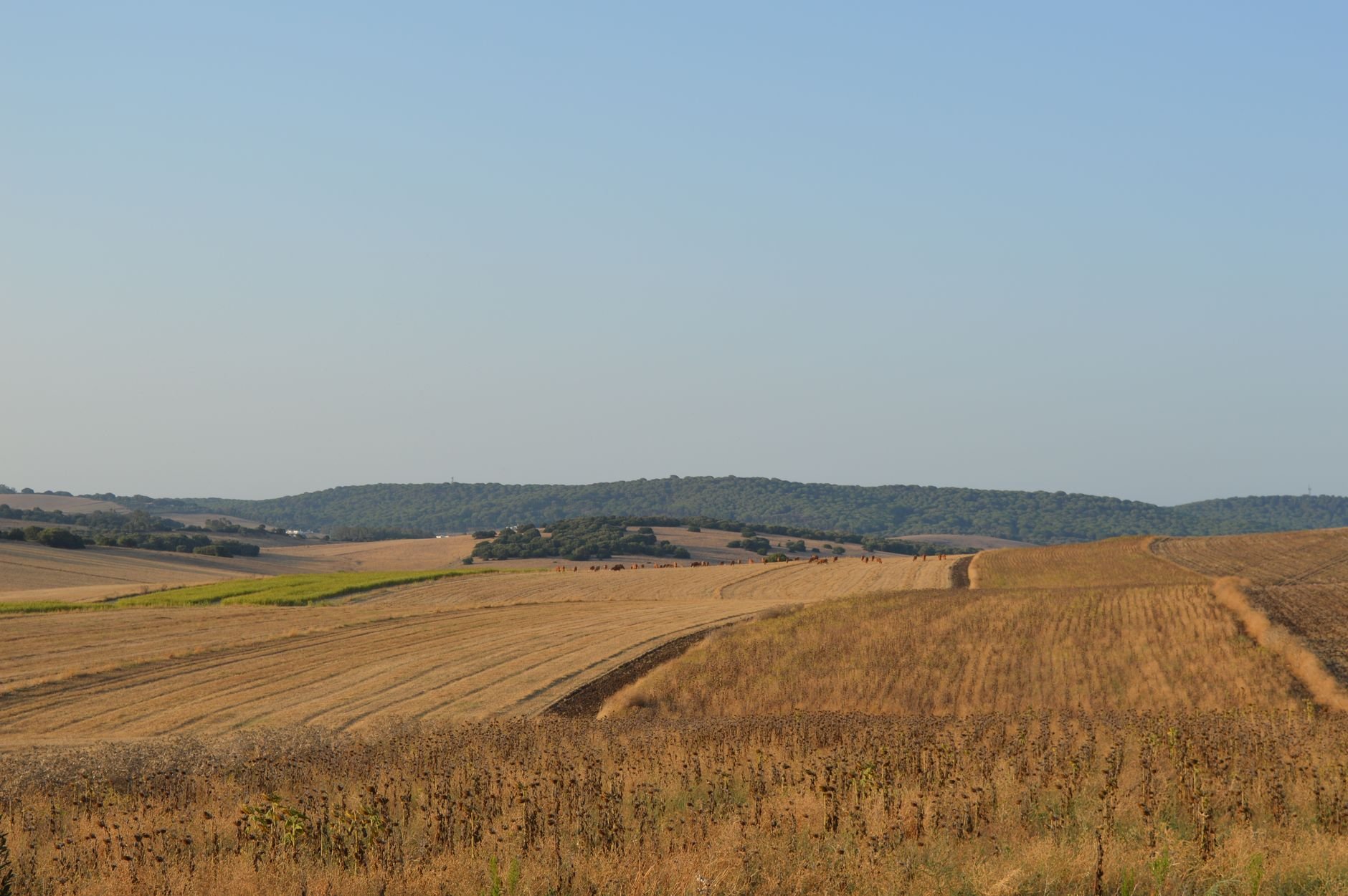
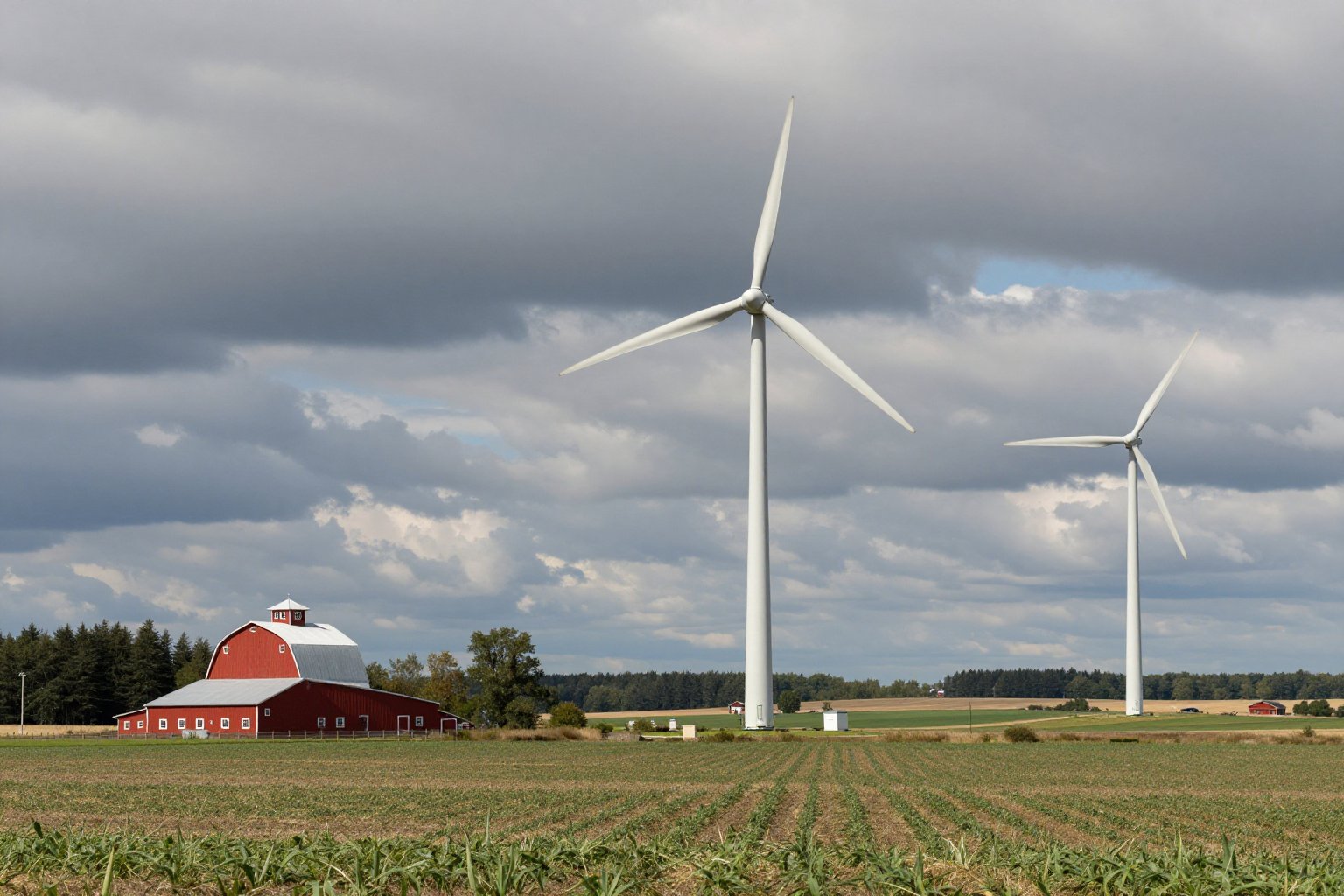
On September 11, 2026, CPTAQ issued its first negative opinions on two Hydro‑Québec wind‑farm proposals, blocking the installation of turbines on agricultural land in Quebec.
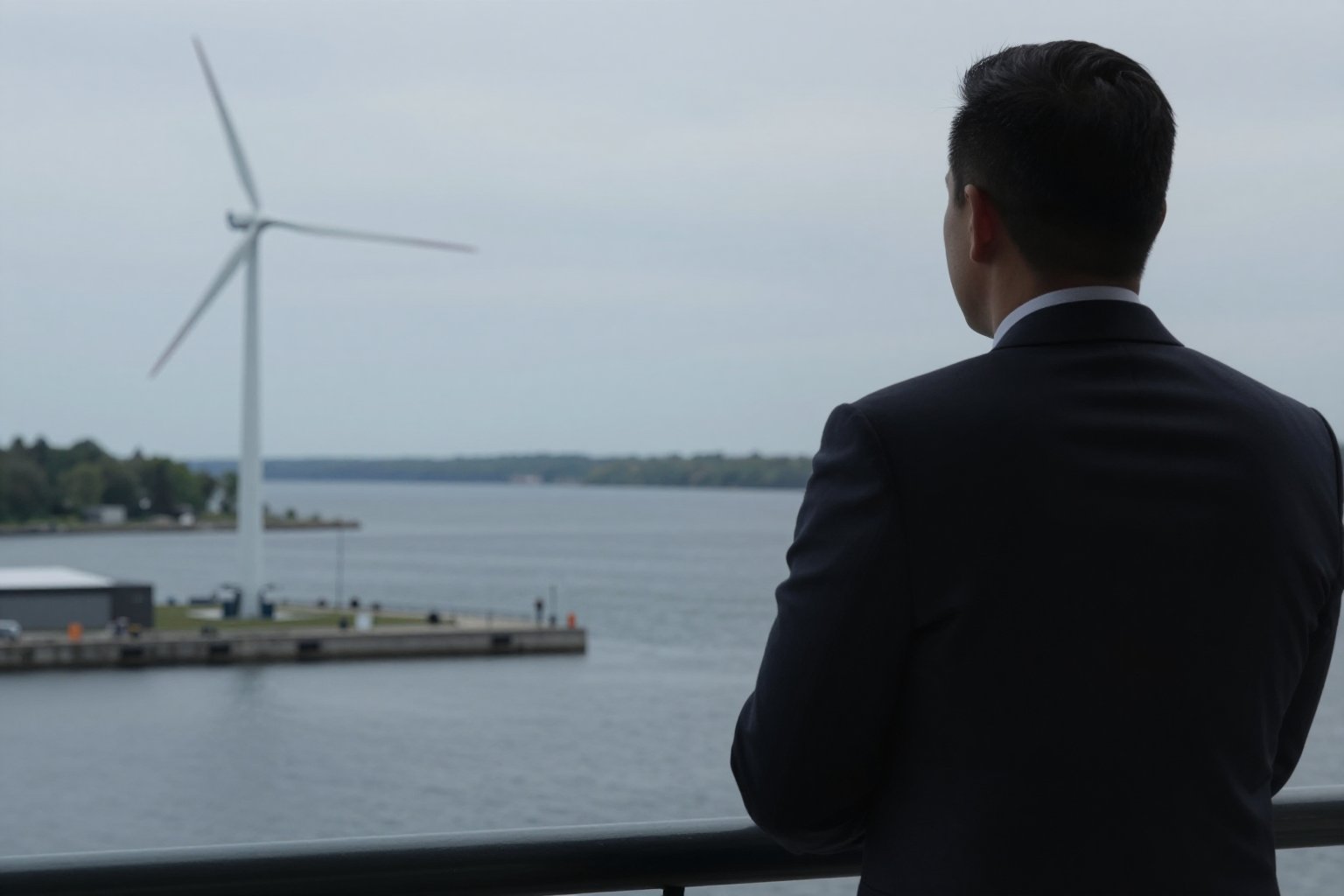
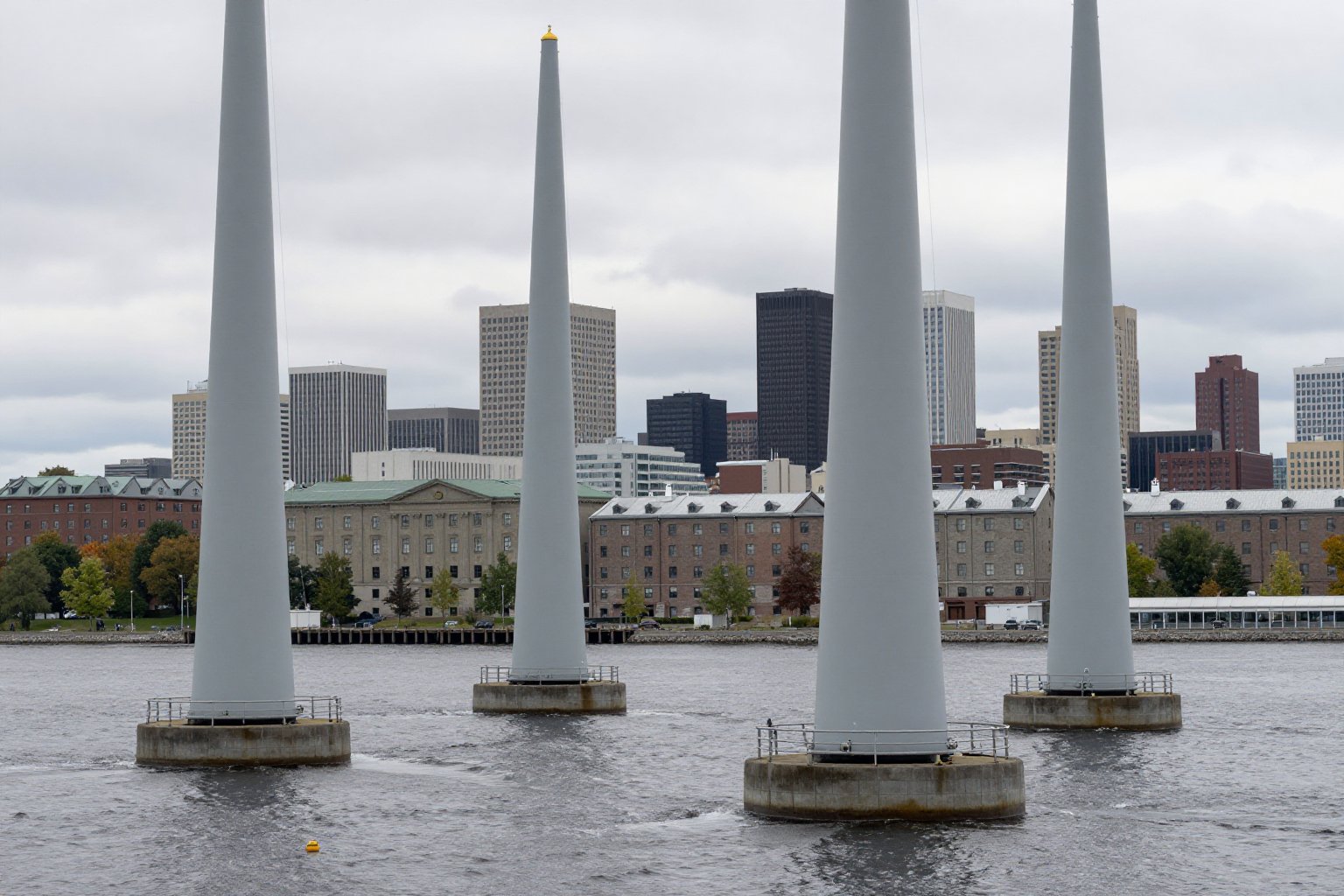
Mayor Soraya Martinez Ferrada has expressed serious doubts about the relevance of ARECOL Energy's planned tidal turbine project in the St. Lawrence River near the Old Port, slated for 2027.
Montreal’s mayor Soraya Martinez Ferrada has expressed serious doubts about ARECOL Energy’s plan to install tidal turbines near the Old Port by 2027, questioning the project's relevance and indicating further review is needed.
Mayor Soraya Martinez Ferrada expressed doubts about ARECOR Energy’s tidal turbine plan for the Saint‑Lawrence River near the Old Port, questioning its relevance and emphasizing the need for municipal approval before the 2027 installation can proceed.
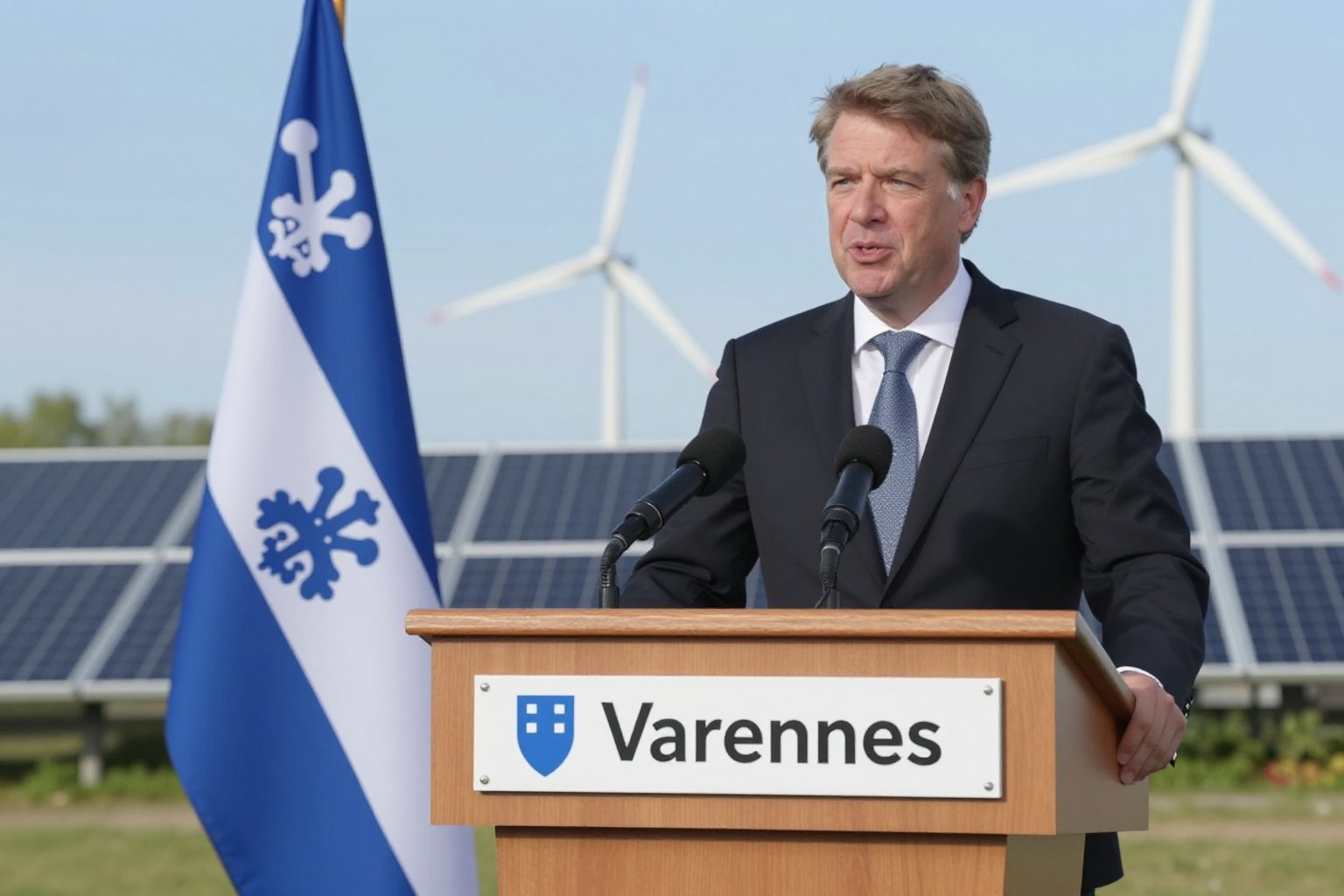
Quebec announced a $87 billion, 25‑year plan to achieve 77 percent renewable energy consumption by 2050, presented by Bernard Drainville in Varennes on June 30, 2026. The strategy forms part of the province’s long‑term climate objectives.
Bernard Drainville announced a $87 billion, 25‑year plan in Varennes to raise Quebec’s renewable energy consumption to 77 percent by 2050, outlining a long‑term strategy for the province’s energy transition.
Quebec’s government unveiled a $87 billion, 25‑year plan to raise renewable energy to 77 percent of consumption by 2050, presented by Bernard Drainville in Varennes on June 30, 2026.
Farmers in Quebec’s Montérégie region have objected to a municipal plan for a 100‑megawatt wind project, citing threats to farmland use and the rural landscape. The dispute underscores the province’s challenge of expanding renewable energy while protecting agricultural interests.
Farmers in Montérégie have objected to a municipal proposal for a 100‑MW wind farm, fearing turbines may be placed on farmland, amid Quebec’s broader push for renewable energy.
Farmers and a local municipality in Quebec’s Montérégie have objected to a proposed 100‑megawatt wind farm on farmland, citing concerns over agricultural disruption. The dispute highlights the challenge of balancing renewable‑energy goals with the region’s farming economy.
Farmers in Quebec’s Montérégie region are opposing a proposed 100‑MW wind farm, fearing it will disrupt farmland, while the municipality promotes the project as part of the province’s renewable energy expansion.
Farmers in Montérégie are challenging a municipal plan for a 100‑MW wind farm on farmland, citing potential impacts on agricultural productivity, while the municipality highlights the project’s role in Quebec’s renewable‑energy expansion.