Cable Theft Hits 56 Quebec EV Charging Stations
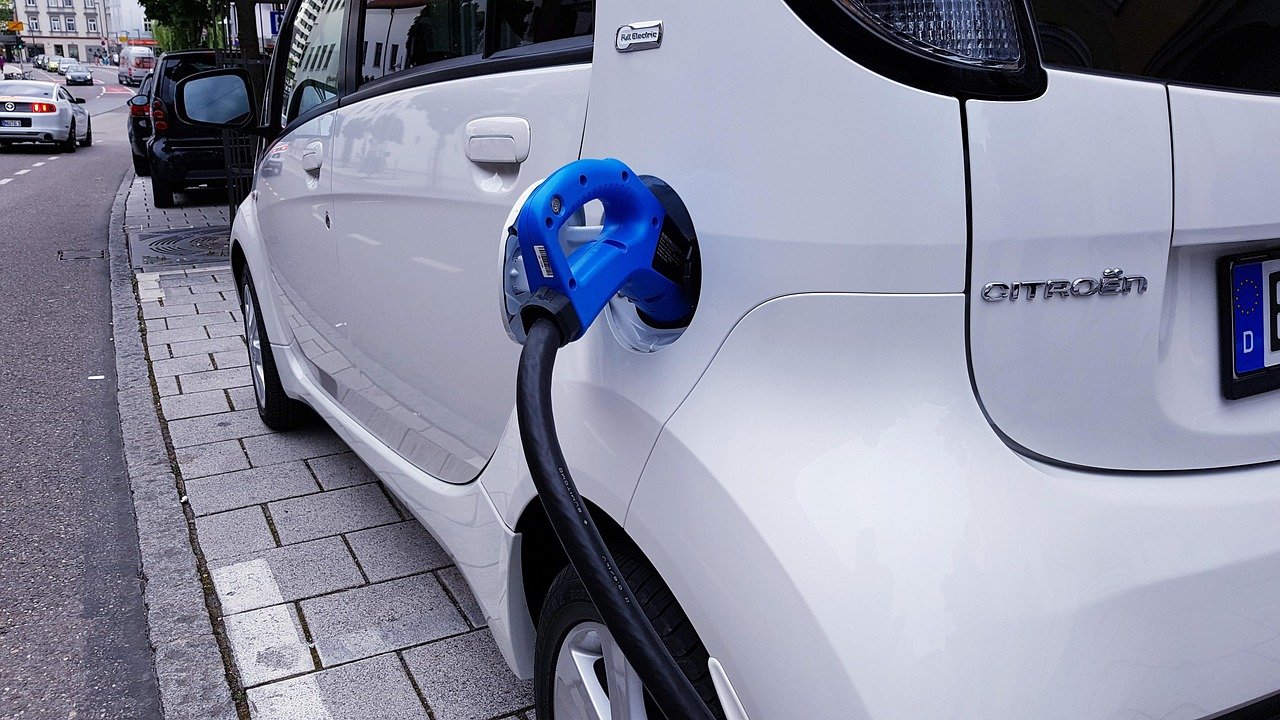
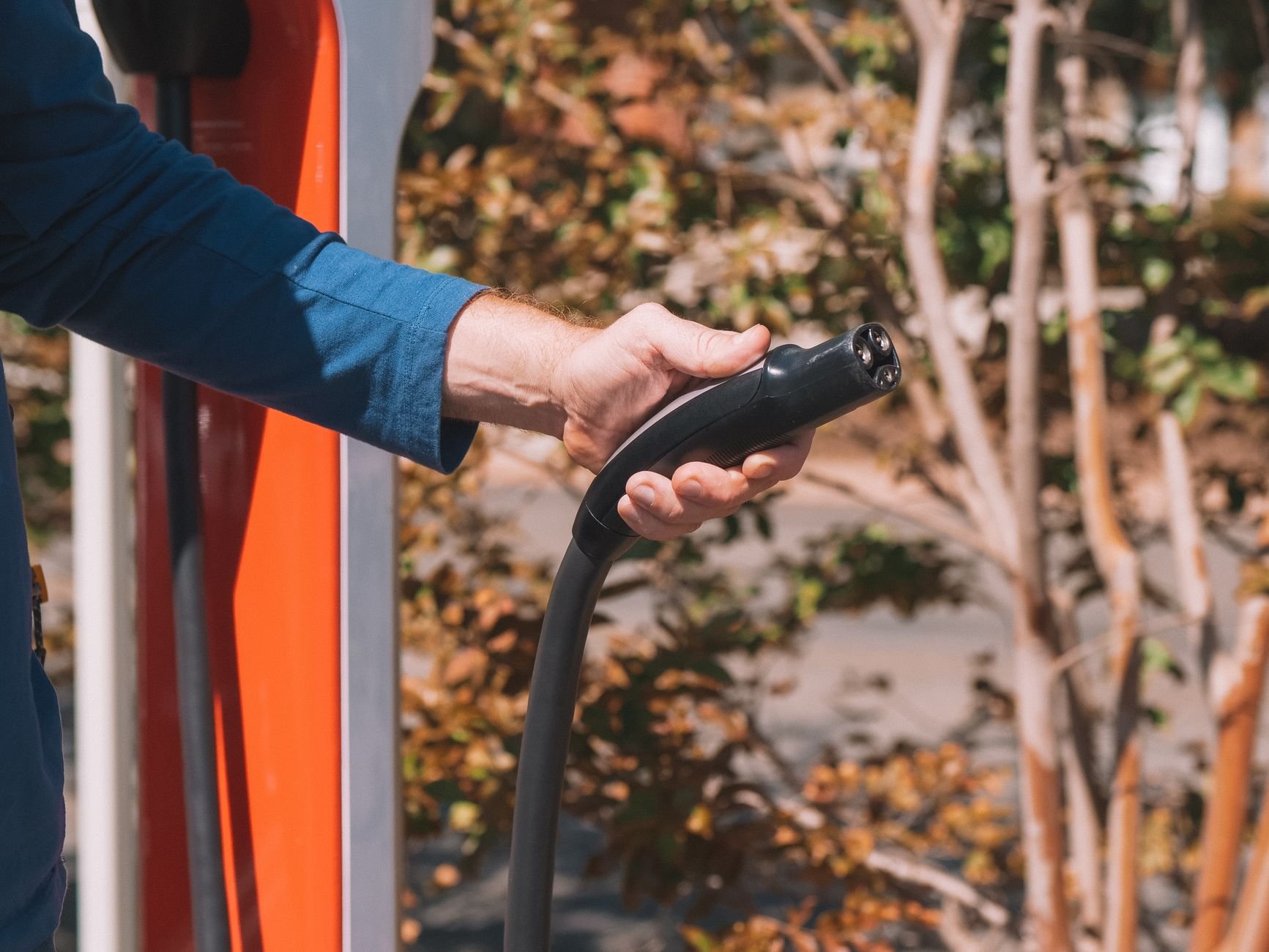
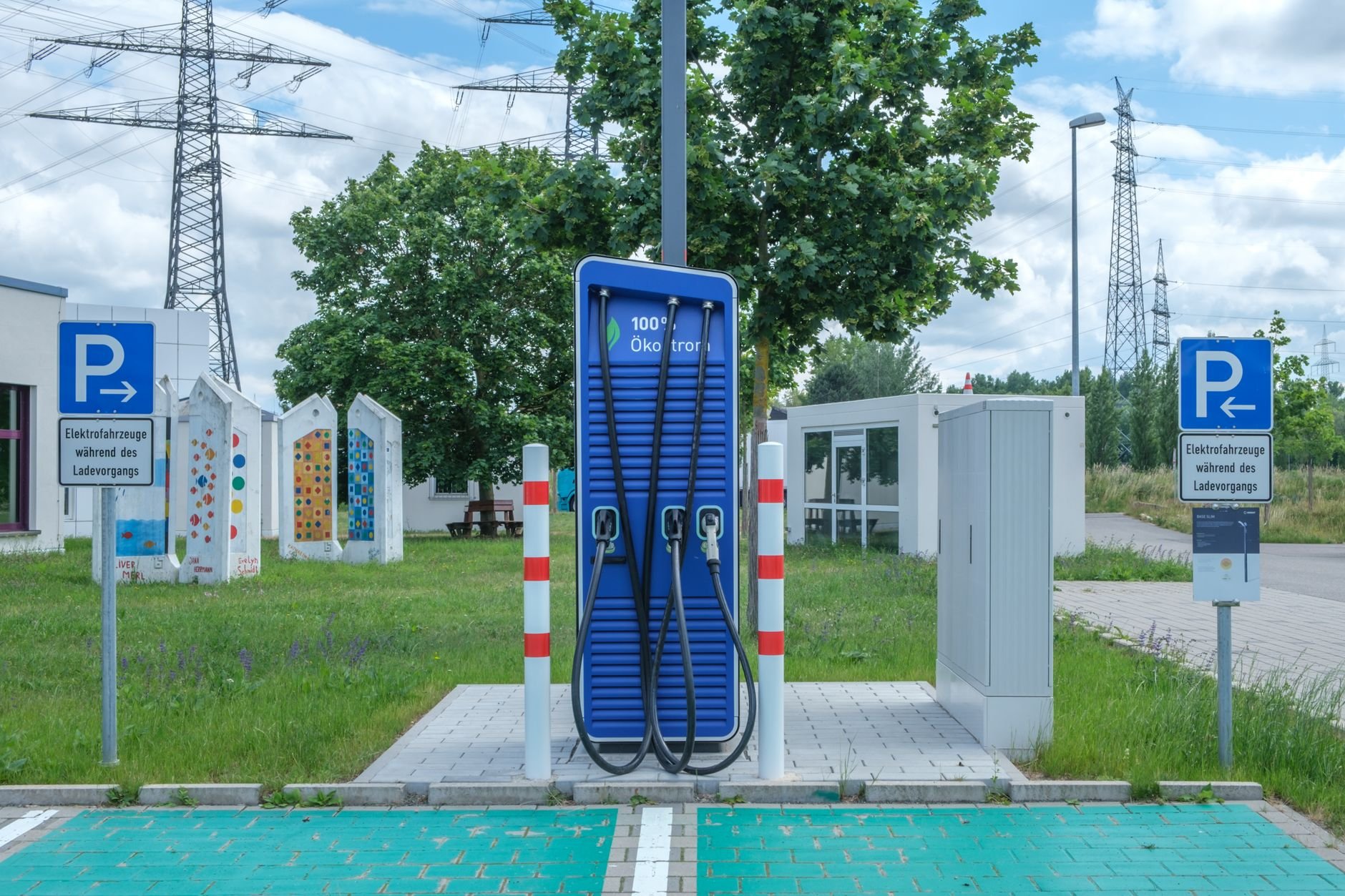
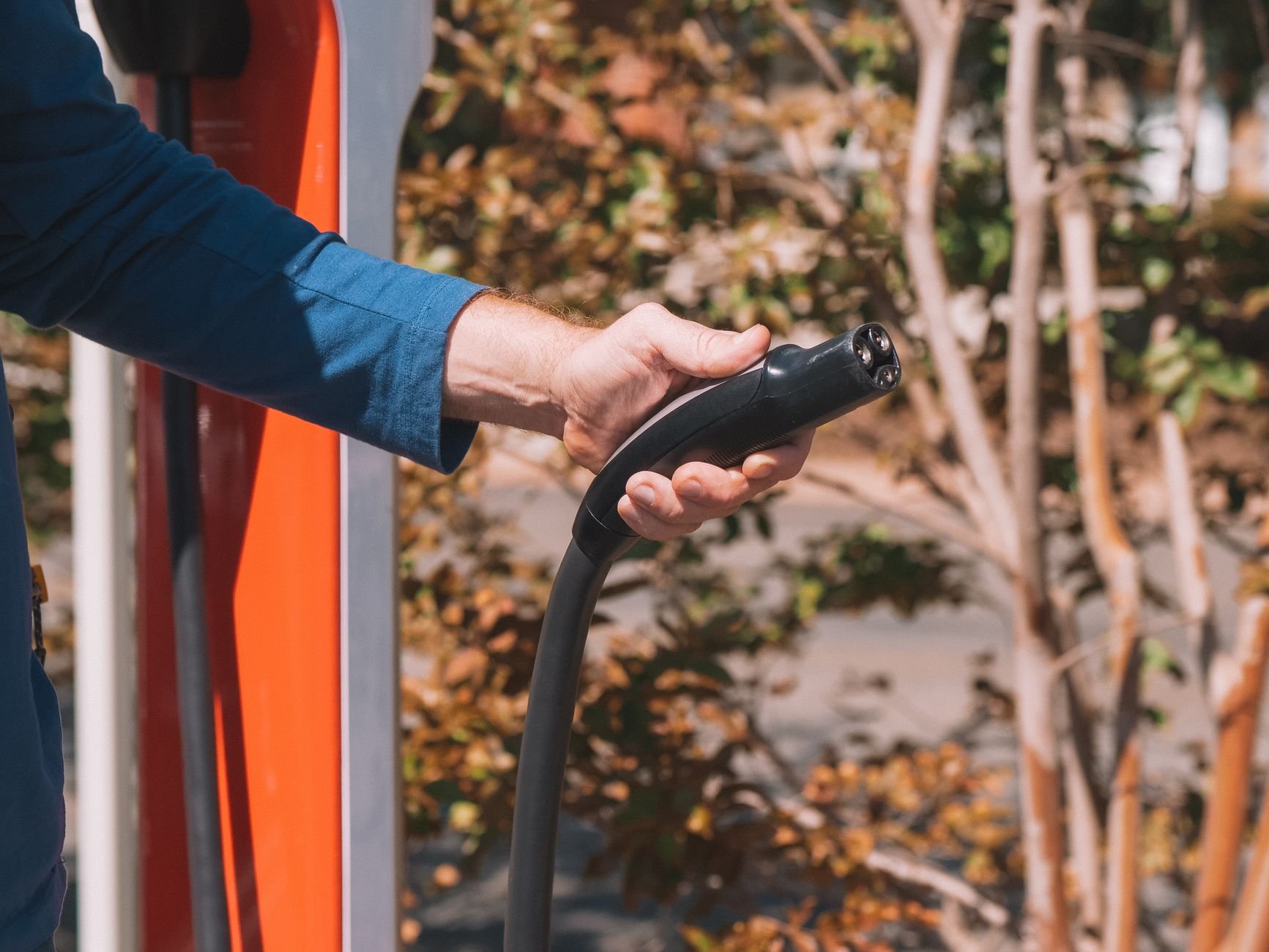
A surge in cable thefts across Quebec during summer 2026 left at least 56 electric‑vehicle charging stations damaged, highlighting vulnerabilities in the province's charging infrastructure.
Tag
1356 storiesnewest firstlatest September 2, 2026page 23 of 68
A surge in cable thefts across Quebec during summer 2026 left at least 56 electric‑vehicle charging stations damaged, highlighting vulnerabilities in the province's charging infrastructure.
A Quebec Superior Court ordered Paméla Groleau to pay Cardinal Marc Ouellet $100,000 after dismissing her defamation claims, and Ouellet plans to donate the money.
Quebec legal aid lawyers launched a strike on September 1, 2026, demanding a salary increase equal to the raise given to Crown prosecutors, after receiving a lower pay raise.
Sherbrooke Mayor Marie-Claude Bibeau urged the incoming Quebec government to focus on public transit, infrastructure improvements, and homelessness reduction ahead of the provincial election. She presented a three‑point wish list aimed at guiding future policy and investment.
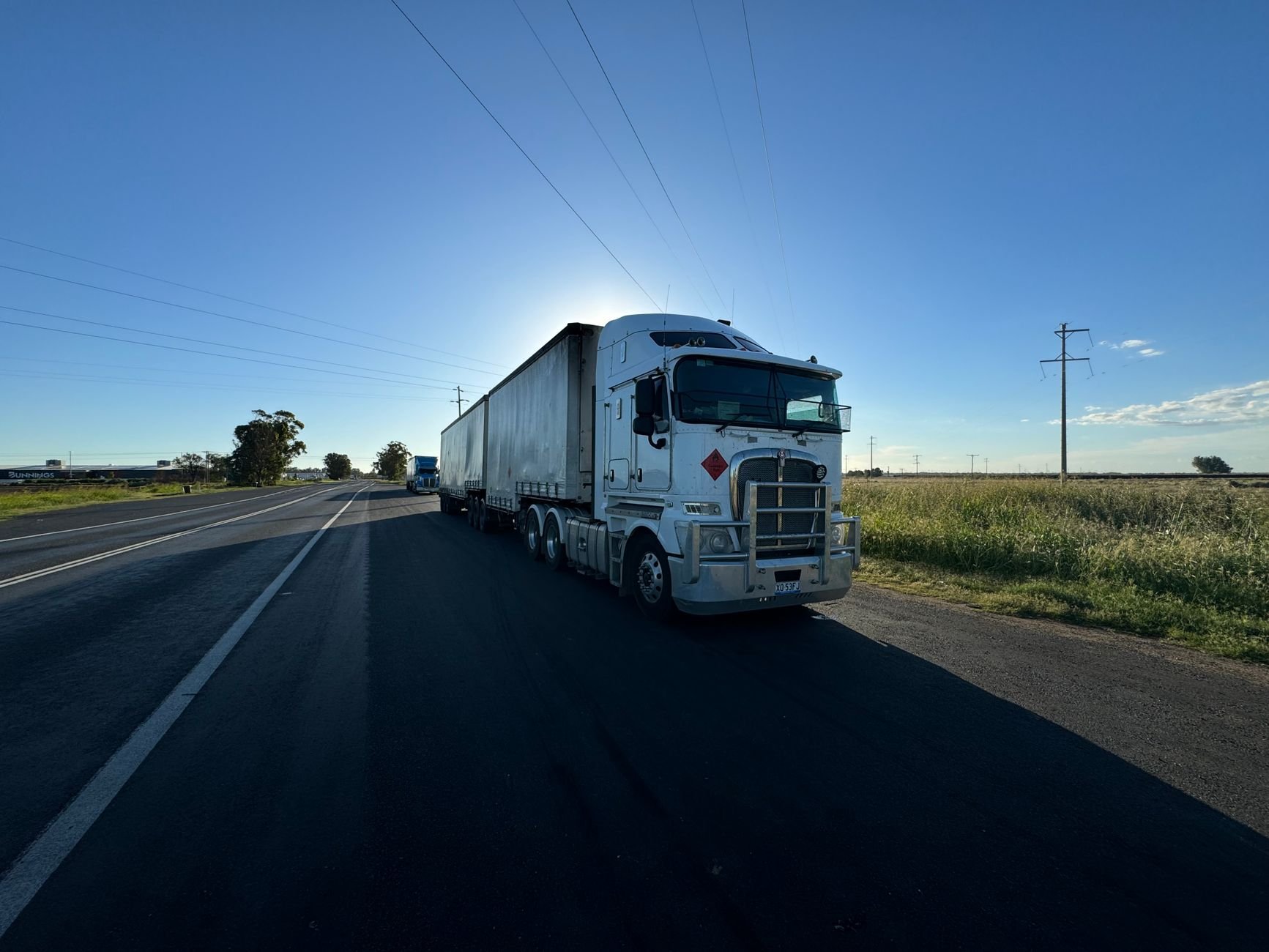
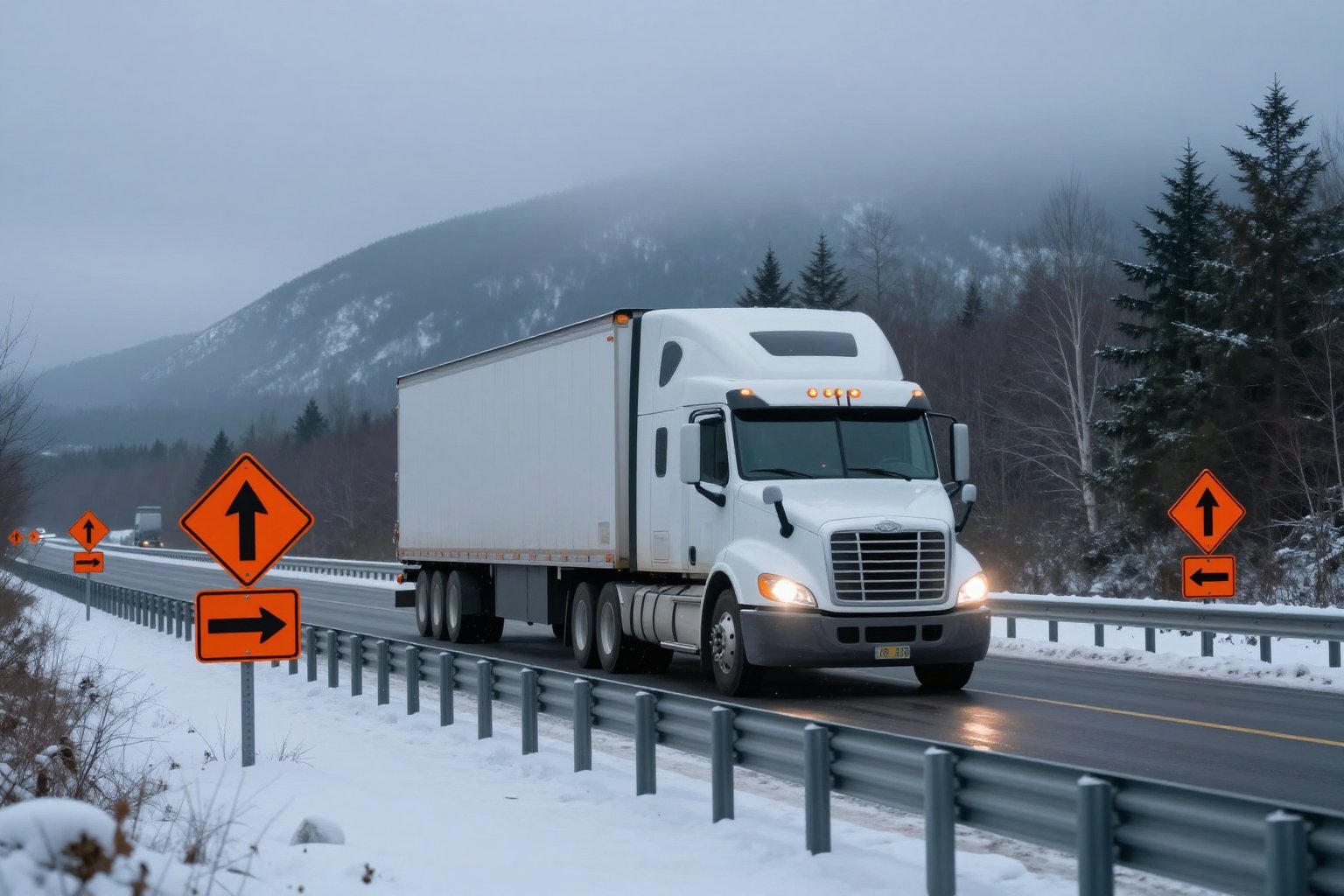
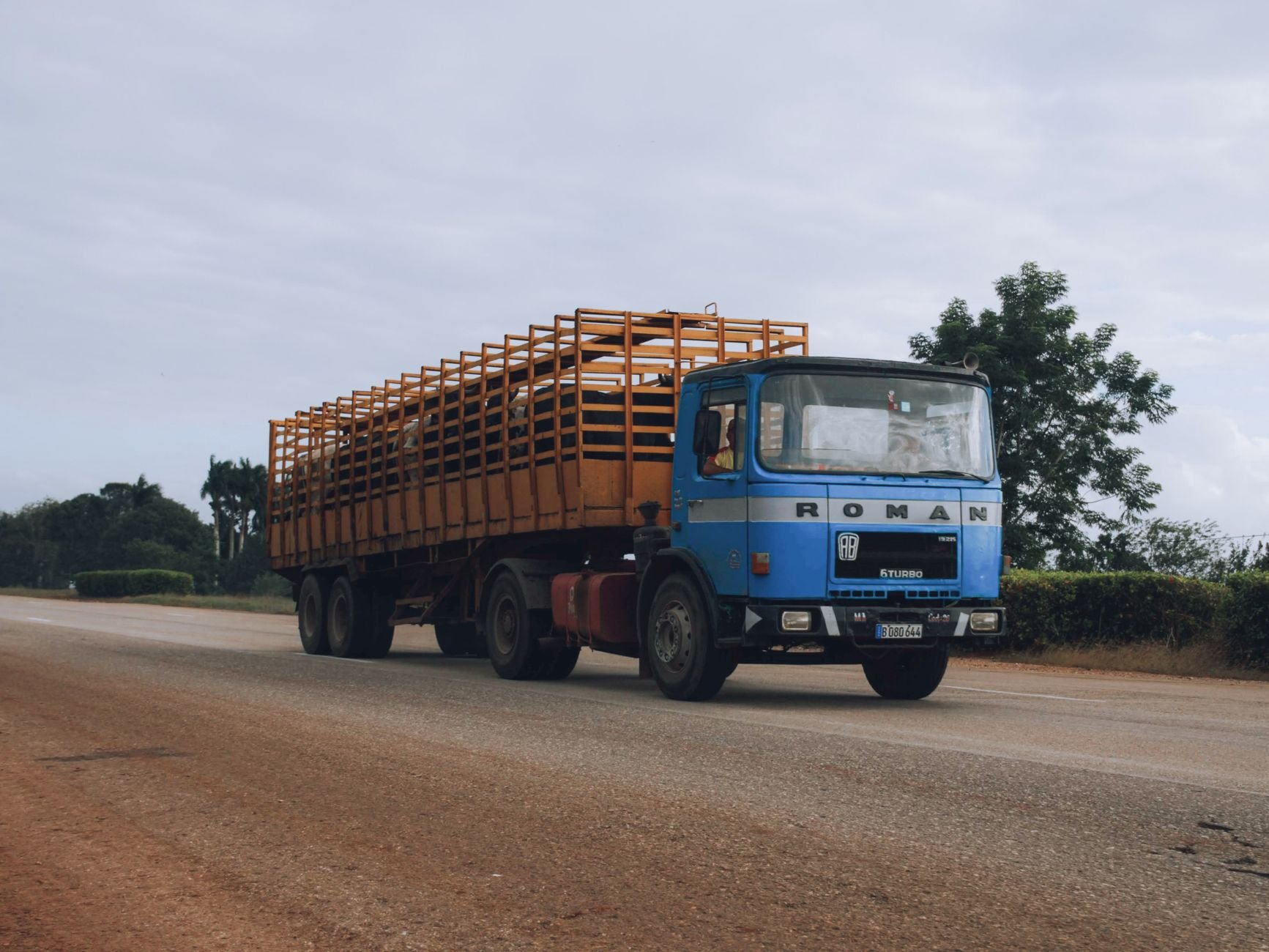
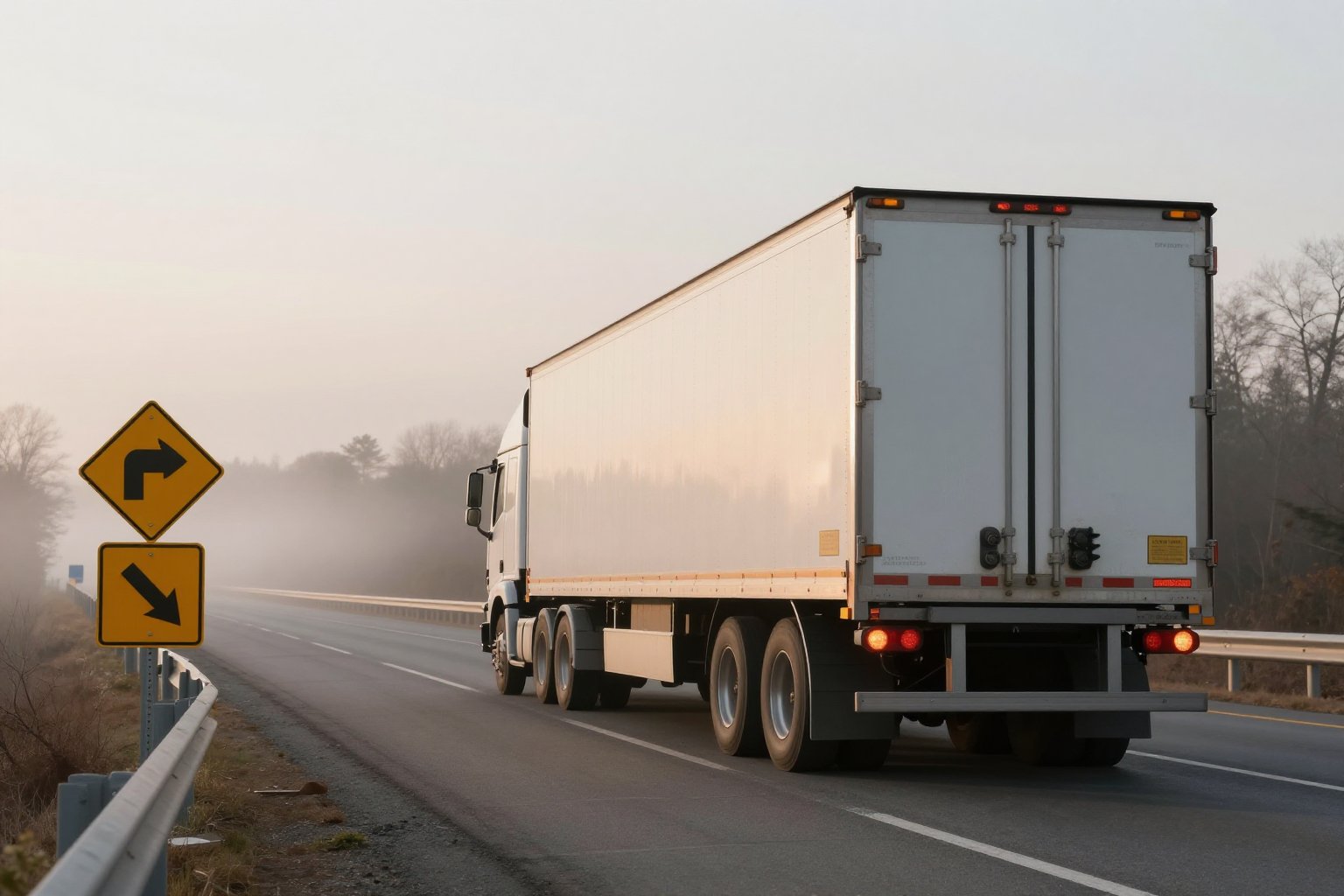
Quebec’s government issued new safety guidelines for trucks and heavy vehicles in September 2026, aiming to cut fatal collisions and improve road safety for all users, with support from cycling advocates.
The Quebec government’s ongoing review has delayed Collège LaSalle’s September 3 reopening, leaving the college’s future—whether it will reopen, adjust plans, or close—still undecided.
Over 56 EV charging stations in Quebec were vandalized and stripped of cables by thieves during the summer of 2026, marking a sharp rise in cable thefts targeting the province's electric‑vehicle infrastructure.
The Quebec government is still evaluating whether Collège LaSalle will reopen on September 3, 2026, including the option to keep it closed, leaving the college's future uncertain.
Cable thieves stole cables from 56 EV charging stations across Quebec in summer 2026, marking a surge in vandalism against the province’s charging infrastructure.
Quebec’s government released new safety guidelines for trucks and heavy vehicles to curb fatal collisions, while cycling groups are pressing for the recommendations to be enacted as law.
Legal aid lawyers in Quebec have struck over a lower salary increase compared to Crown prosecutors, demanding equal raises. The government has yet to respond with a revised offer, leaving legal aid services disrupted.
On September 1, 2026, Quebec’s government announced it will not adopt the regional protected‑area targets proposed by SNAP Québec, despite ongoing collaboration on expanding protected natural areas.
In summer 2026, cable thieves vandalised 56 EV charging stations across Quebec, removing essential cables and sparking concerns about the security of the province's electric‑vehicle infrastructure.
Quebec's government unveiled new safety guidelines for trucks and heavy vehicles on September 1, 2026, aiming to reduce fatal collisions, with backing from cycling advocates as part of a broader road‑safety strategy.
On September 1, 2026, Quebec's government said it would not adopt SNAP Québec's proposed regional protected‑area targets, even as the province continues to expand its protected‑land network.
A Quebec resident was charged on August 31, 2026 for allegedly threatening to bomb Wabush Airport, a regional hub serving Labrador's mining community. The charge was announced by Quebec police, and airport operations were not disrupted.
Quebec introduced new safety guidelines for trucks and heavy vehicles on September 1, 2026, aiming to cut fatal collisions, while cycling advocates push for even stronger legal protections.
On September 1, 2026, Quebec's provincial government announced it would not adopt the regional protected‑area targets proposed by SNAP Québec, opting instead to ignore the group's recommendations.
The Quebec Liberal Party formally warned former MNA Sona Lakhoyan Olivier on August 30, 2026, for using campaign branding that breached party rules. The party, led by Charles Milliard, emphasized the need for consistent branding across its communications.
Culture Montréal released a report on August 30, 2026, offering recommendations for the upcoming Quebec government, amid Canada‑U.S. tensions and the expanding influence of artificial intelligence.