Toronto Venues Ban Smart Glasses Over Privacy Concerns
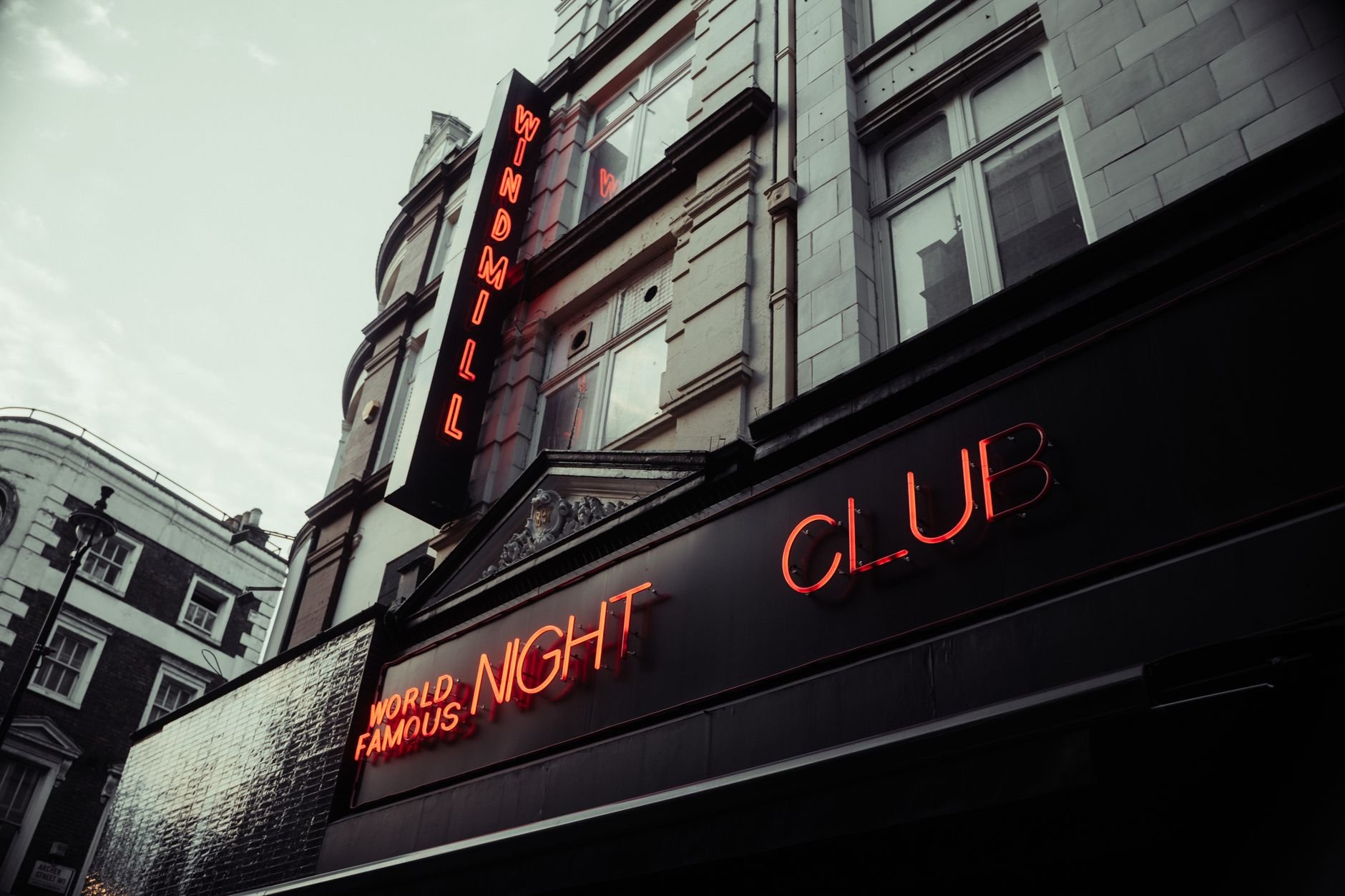
Toronto music venue owners have banned smart glasses and are reviewing phone‑recording rules to safeguard patrons’ privacy, amid debate over the promotional benefits of new technology.
Tag
36 storiesnewest firstlatest September 15, 2026page 2 of 2
Toronto music venue owners have banned smart glasses and are reviewing phone‑recording rules to safeguard patrons’ privacy, amid debate over the promotional benefits of new technology.
Toronto club owners have banned smart glasses and are reviewing phone policies to protect patrons' privacy amid concerns that wearable cameras and smartphones could broadcast private moments online.
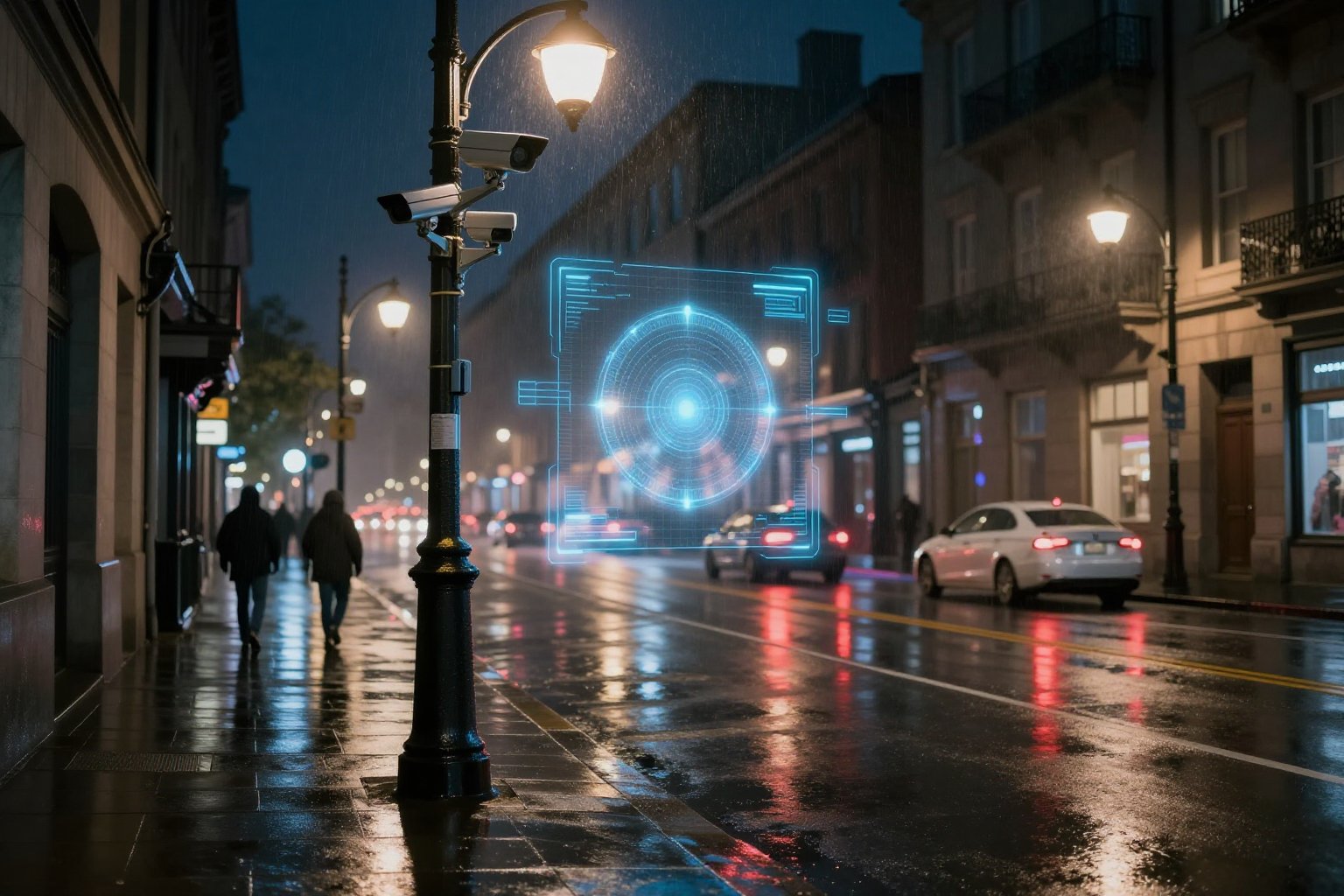
Saratoga Springs residents have filed a petition demanding the city end its contract with Flock Safety over privacy worries, while officials argue the license‑plate reader cameras are valuable for investigations.
The Manvel City Council voted 6‑0 to cease funding and cover its sixteen Flock surveillance cameras, citing privacy and data‑sharing concerns. The unanimous decision ends a public‑safety program and reflects the city’s focus on protecting resident video data.
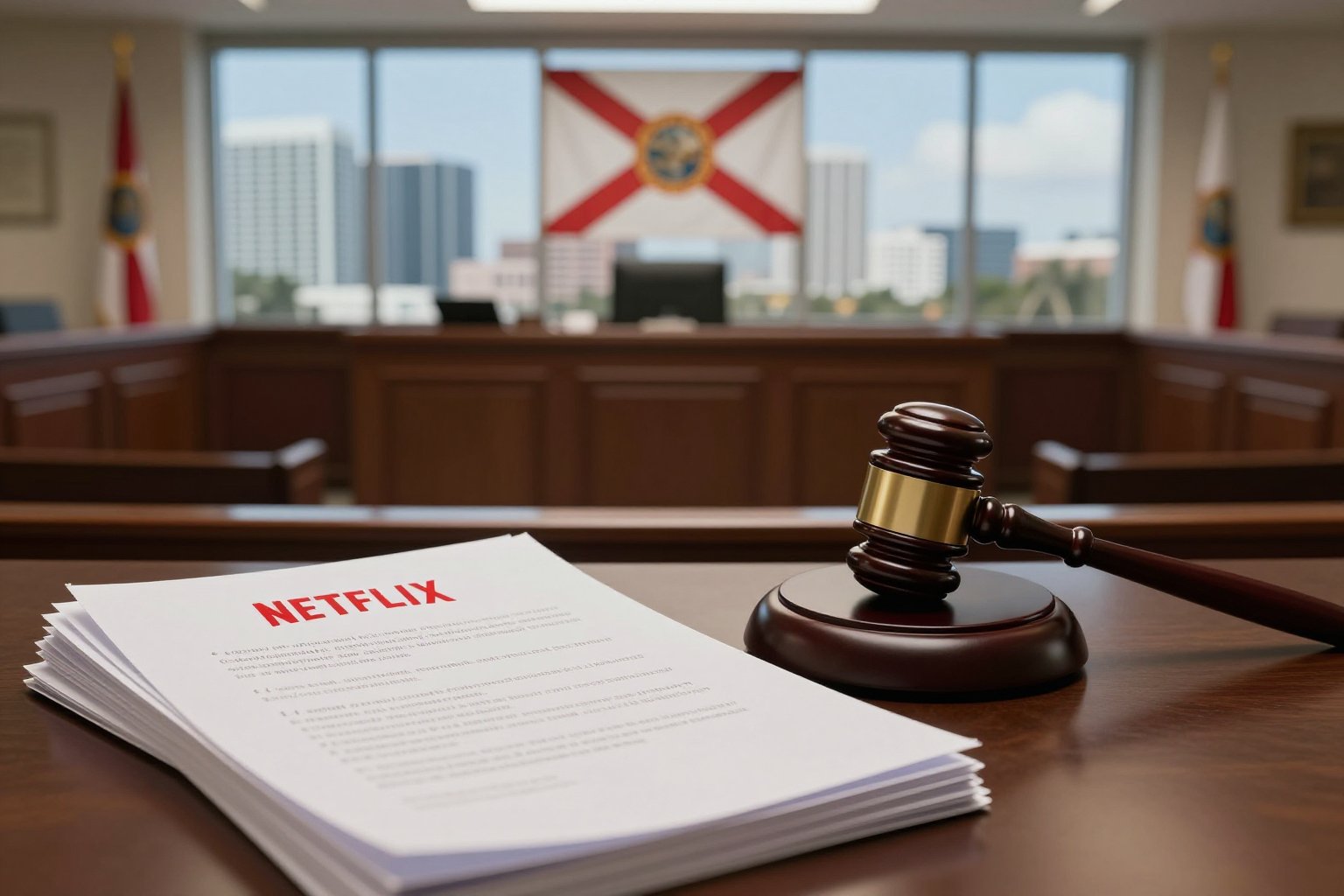
Florida Attorney General James Uthmeier sued Netflix on September 9, 2026, alleging the company collected minors' viewing data without consent and seeking billions in damages.
Saratoga Springs residents asked the city council in September 2026 to refuse renewal of the Flock Safety license‑plate reader camera contract, citing privacy worries and contract terms, as part of a larger debate on municipal surveillance.
Saratoga Springs residents have petitioned to end the city’s license‑plate reader contract with Flock Safety, citing privacy worries, while officials cite the technology’s role in solving a homicide.
Flock Safety announced new privacy safeguards for its traffic cameras in Troy and Saratoga County on August 14, 2026, responding to community and law‑enforcement concerns about data use. The measures aim to limit data retention, restrict access and improve encryption as part of a broader regional discussion on surveillance.
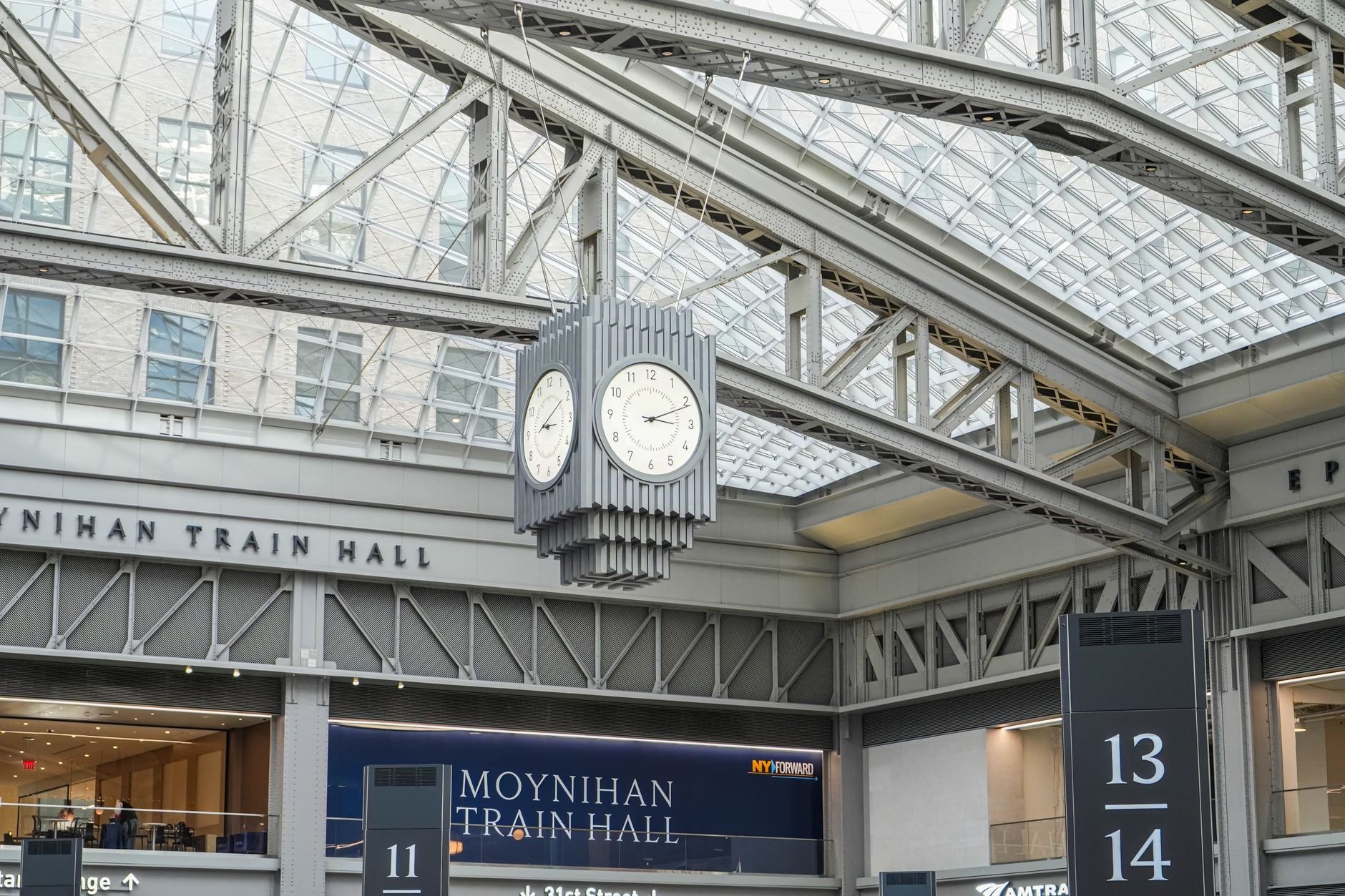
Privacy advocates, lawmakers and artists rallied outside Moynihan Train Hall on August 14, 2026, urging the city to ban facial‑recognition scans at Madison Square Garden and supporting Council Member Shahana Hanif’s proposed legislation.
Montreal police are quietly expanding AI‑based surveillance of vehicles and people, raising public concerns about transparency and privacy. The move has sparked calls for clearer oversight and safeguards.
Montreal police removed a license‑plate‑reading camera on Boulevard Henri‑Bourassa on August 12, 2026, after it was deemed highly intrusive to privacy following public concern earlier in the week.
California officials are drafting regulations to control the collection, storage, and use of brain data from neurotechnology in the workplace, aiming to protect employee privacy. The proposal, supported by companies, lawmakers, and labor unions, seeks to set clear consent and usage limits for employers.
A Philadelphia man was sentenced to five years probation on July 7, 2026 for installing hidden cameras in Ocean City Boardwalk restrooms, a violation of privacy laws and part of a larger crackdown on voyeurism at Jersey Shore venues.
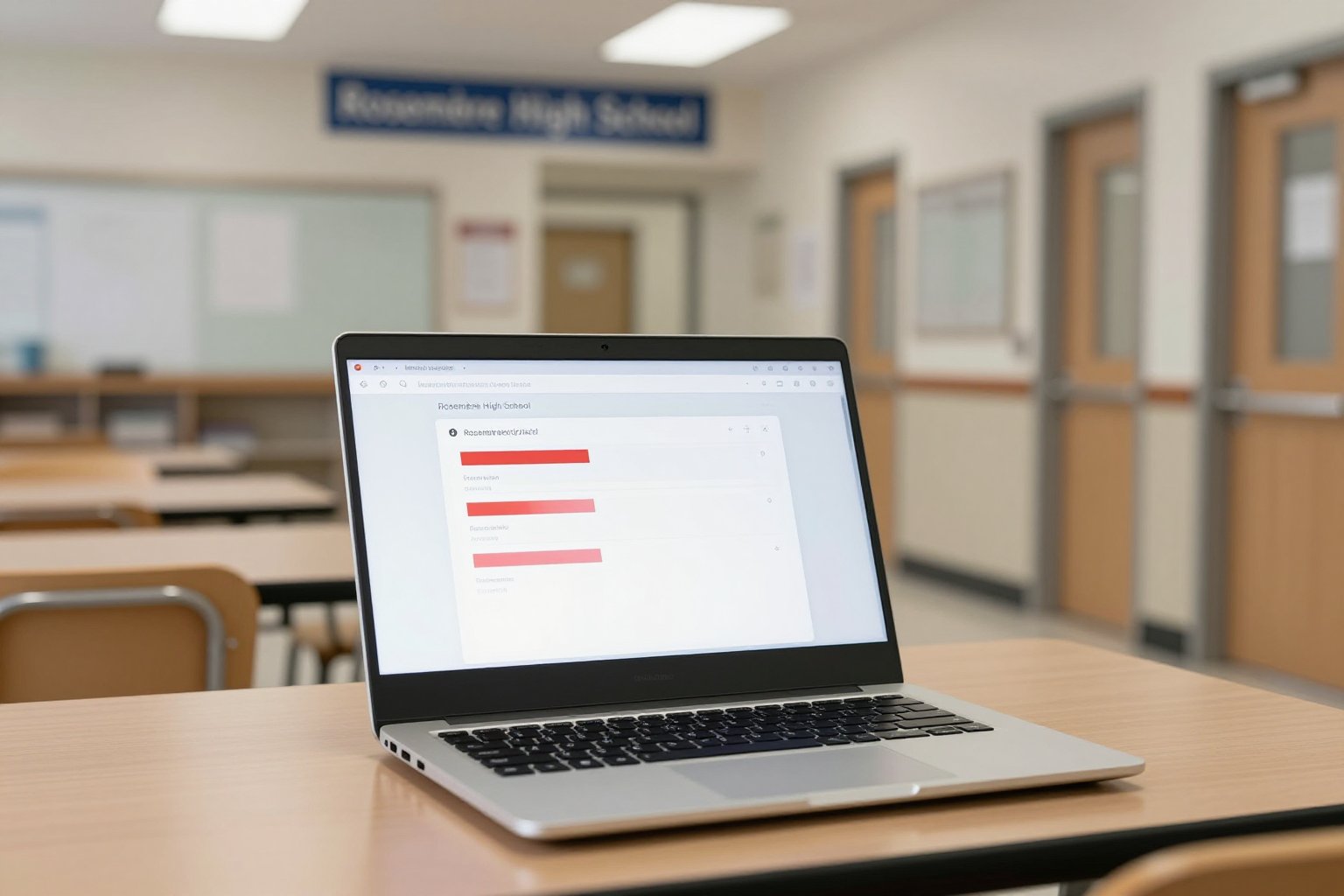
An unauthorized email containing parents' personal details was sent from Rosemère High School on July 3, 2026, prompting a board review of data storage practices and raising privacy concerns among families.
The Sir Wilfrid Laurier School Board sent a mass email on July 2, 2026, to Rosemère High School parents that mistakenly included an attachment with their personal information, prompting privacy concerns among families.
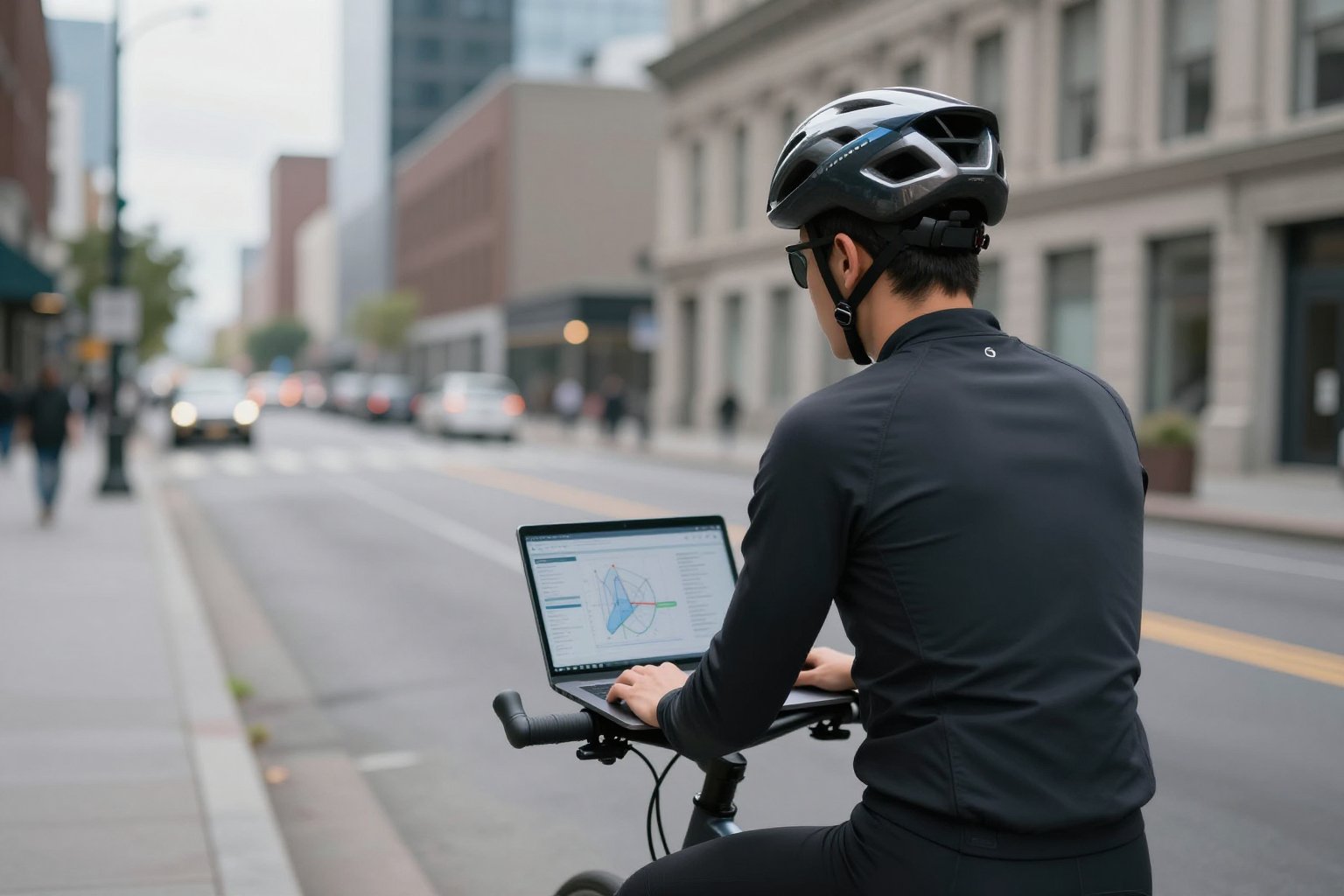
Montreal cyclists have raised concerns that the city’s June 2026 online bike lane survey may lack impartiality and could expose personal data, prompting debate over the consultation’s transparency.