Historian Reveals Origin of Montreal’s Beaubien Street Name
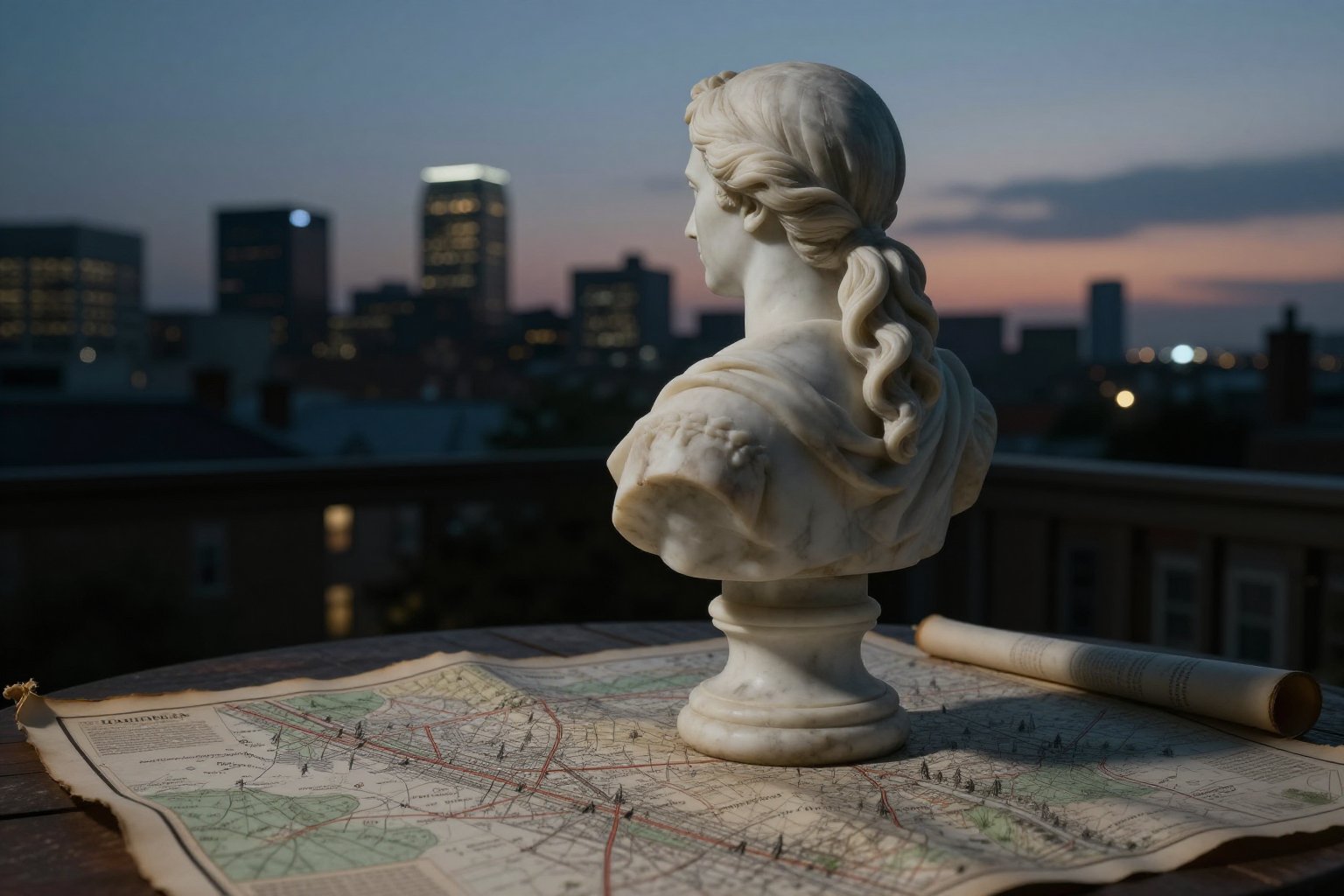
Historian Geneviève Pronovost explains that Beaubien Street was named to honor a notable historical figure, linking the major Montreal thoroughfare to the city’s heritage.
Tag
10 storiesnewest firstlatest August 5, 2026
Historian Geneviève Pronovost explains that Beaubien Street was named to honor a notable historical figure, linking the major Montreal thoroughfare to the city’s heritage.
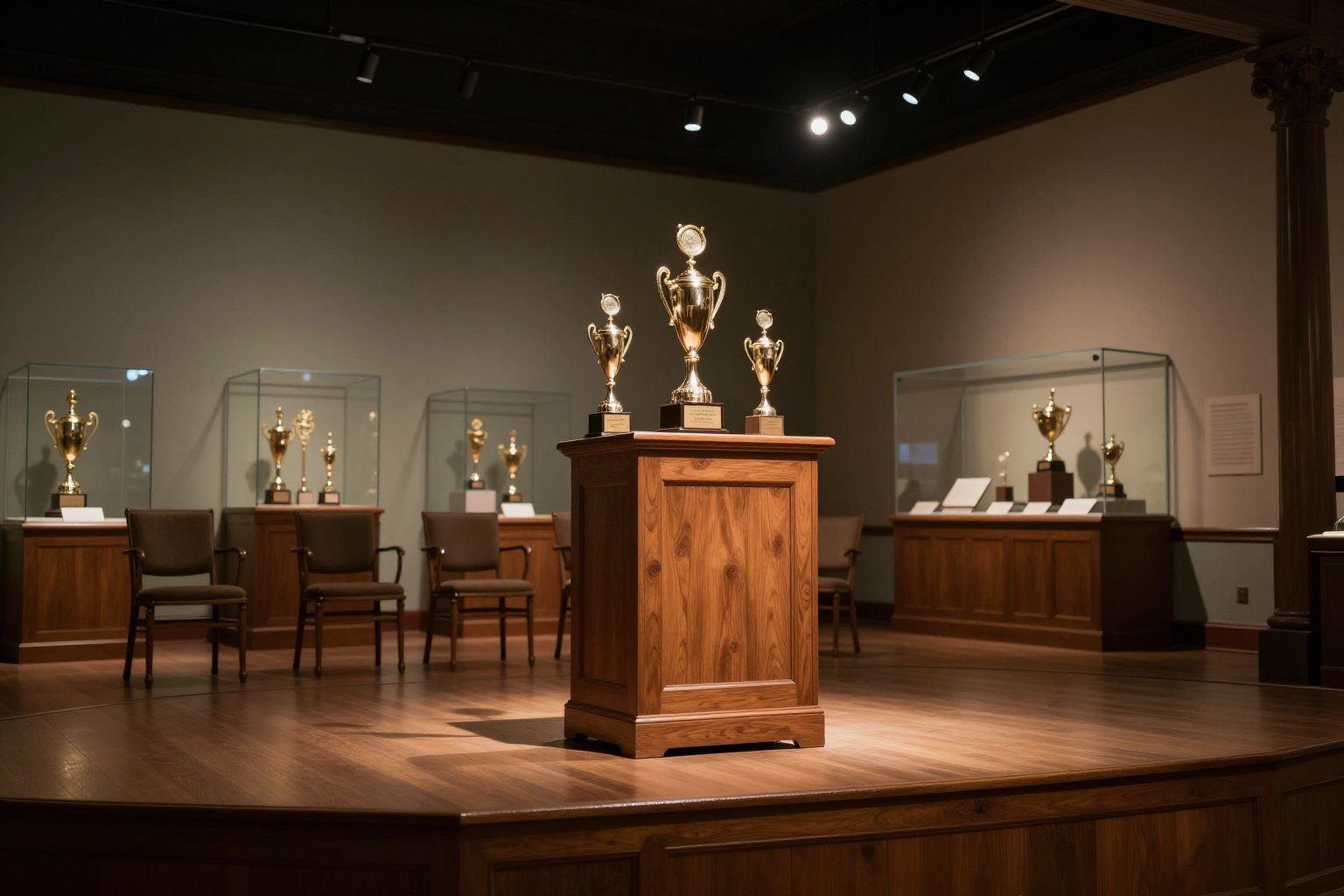
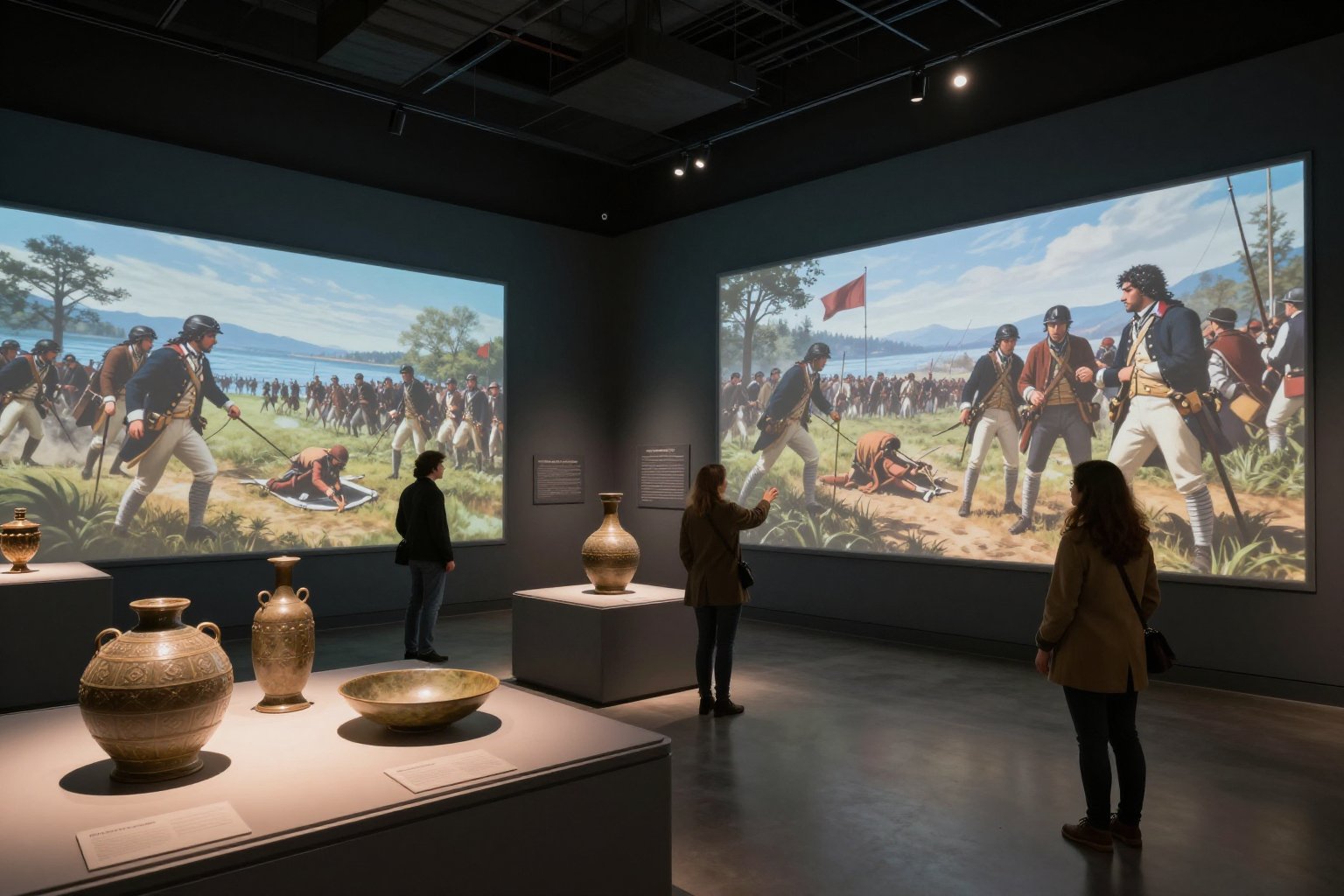
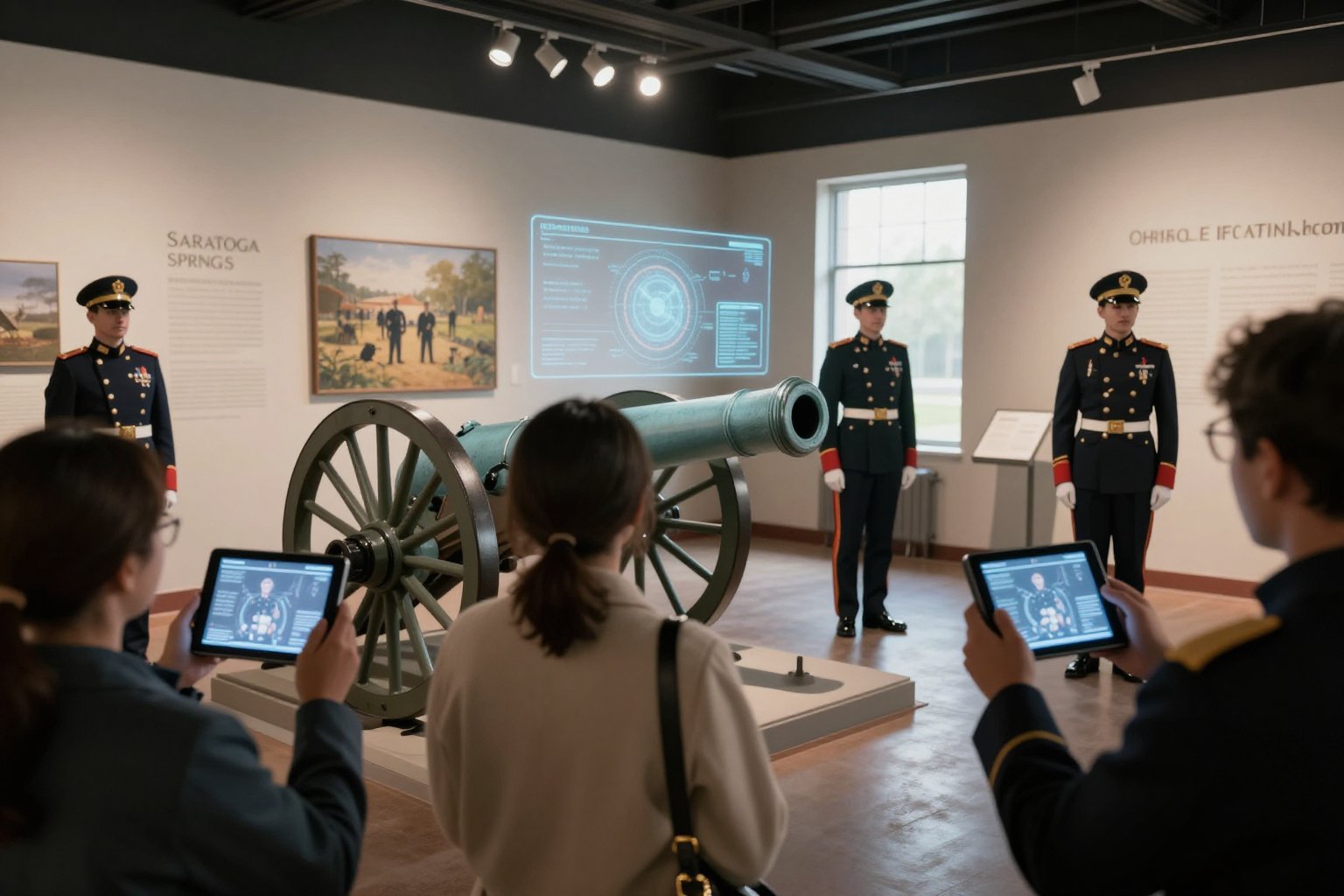
The New York State Military Museum and Veterans Research Center opened an augmented reality exhibit on July 30, 2026, at 61 Lake Avenue, featuring four 1777 Saratoga figures to modernize visitor interaction with Revolutionary War history.
The New York State Military Museum opened an interactive augmented‑reality exhibit on July 30, 2026, featuring four 1777 Saratoga battle figures to enhance visitor engagement with Revolutionary‑War history.
Two Bromont residents uncovered a 150-year-old time capsule from the 1870s and have not revealed its contents. Authorities have been notified as the community awaits further information.
The Saratoga County Historian’s Office is inviting up to 17 proposals for an interactive exhibit called “Voices from Saratoga,” with submissions due by 5 PM on July 17, 2026. The project aims to present local stories through engaging, technology‑driven displays.
Historian Geneviève Pronovost explained that François Dollier de Casson designed Montreal’s first seven streets in an orthogonal grid to improve access to the future Notre‑Dame church, establishing a naming system that shaped the city’s development.
Historian Geneviève Pronovost identified François Dollier de Casson as the namer of Montreal’s first seven streets, part of a 17th‑century orthogonal grid designed by Sulpician missionaries to improve access to the future Notre-Dame church.
Historian Geneviève Pronovost revealed that Montreal’s first seven street names were part of an orthogonal grid designed by François Dollier de Casson to facilitate access to the future Notre‑Dame cathedral, with the Sulpicians overseeing the plan.
Historian Geneviève Pronovost explained that Montreal’s first seven streets were plotted by Sulpician missionary François Dollier de Casson using an orthogonal grid to improve access to the future Notre‑Dame cathedral. The design reflects early religious and urban planning priorities in the colony.
Historian Geneviève Pronovost explained that François Dollier de Casson designed Montreal’s first seven orthogonal streets in the 17th century to improve access to the future Notre‑Dame church.