NYC Still Faces Flood Threats Five Years After Ida
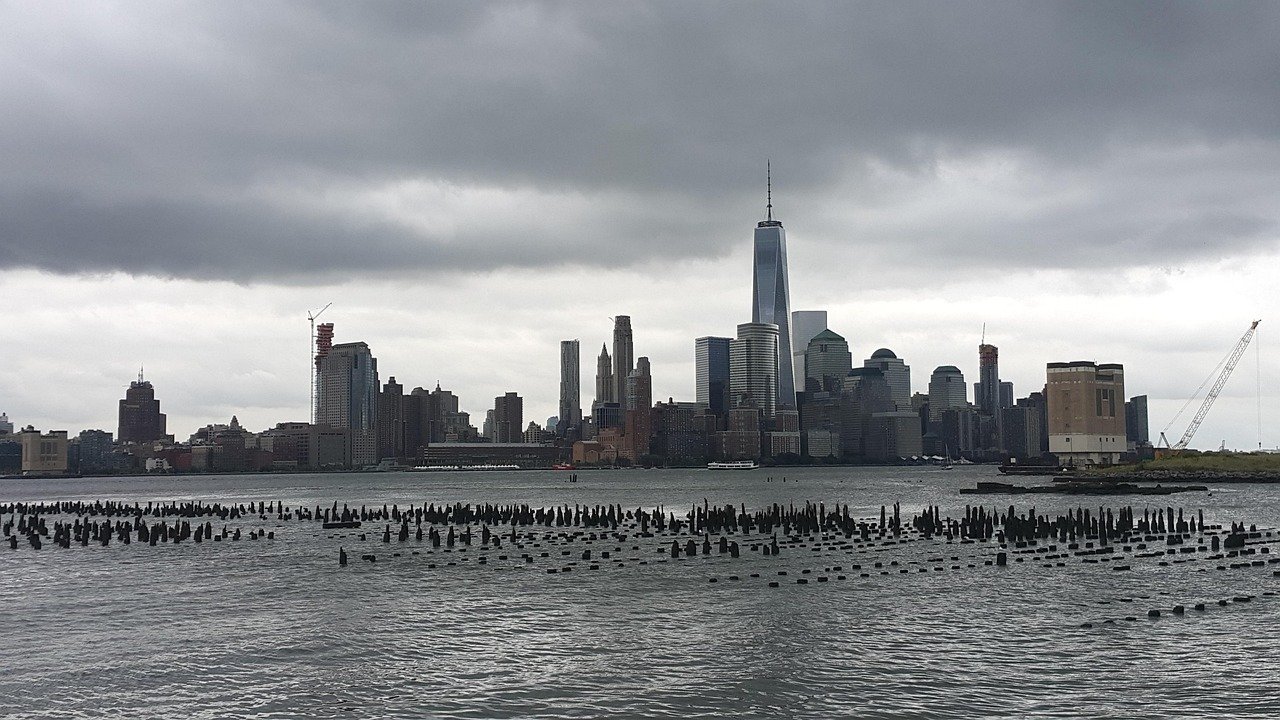
Five years after Hurricane Ida caused 13 deaths in New York City, officials say the city still faces significant flood risks and is working to improve infrastructure and preparedness.
Tag
70 storiesnewest firstlatest September 2, 2026page 2 of 4
Five years after Hurricane Ida caused 13 deaths in New York City, officials say the city still faces significant flood risks and is working to improve infrastructure and preparedness.
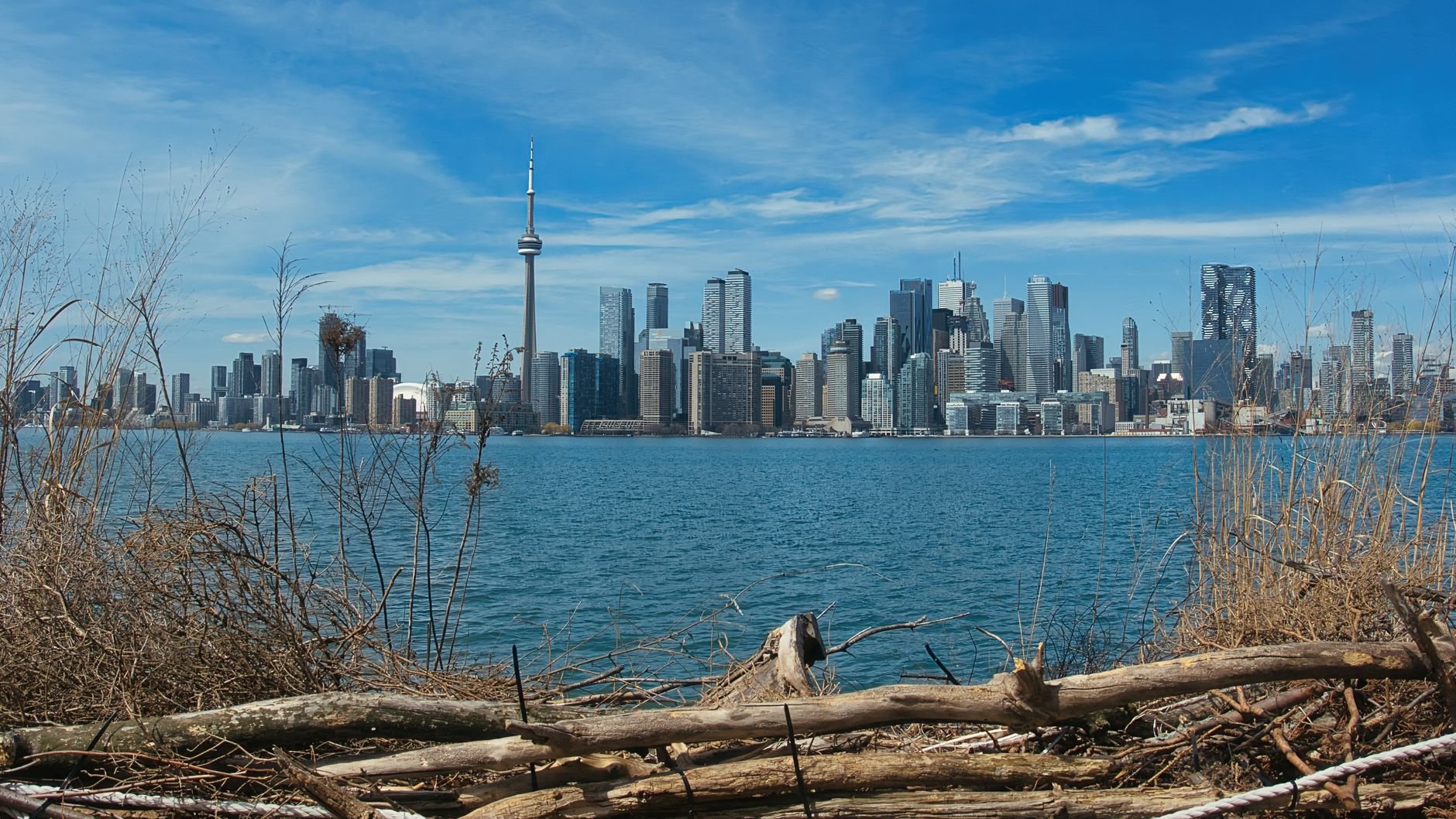
The Toronto and Region Conservation Authority warned that thunderstorms on September 2 could cause flooding, as recent heat warnings have left local watersheds saturated.
Intense rain on August 27 caused flash flooding at Rowan University and surrounding South Jersey, damaging streets, cars and buildings and disrupting commuters and students.
Councilmember Phil Wong urged New York City to boost flood‑prevention spending for Queens, citing repeated flooding and stronger storms as evidence the borough needs more protective resources.
Queens Councilmember Phil Wong urged the city to increase funding for flood prevention, citing stronger storms and rising flood risks in the borough.
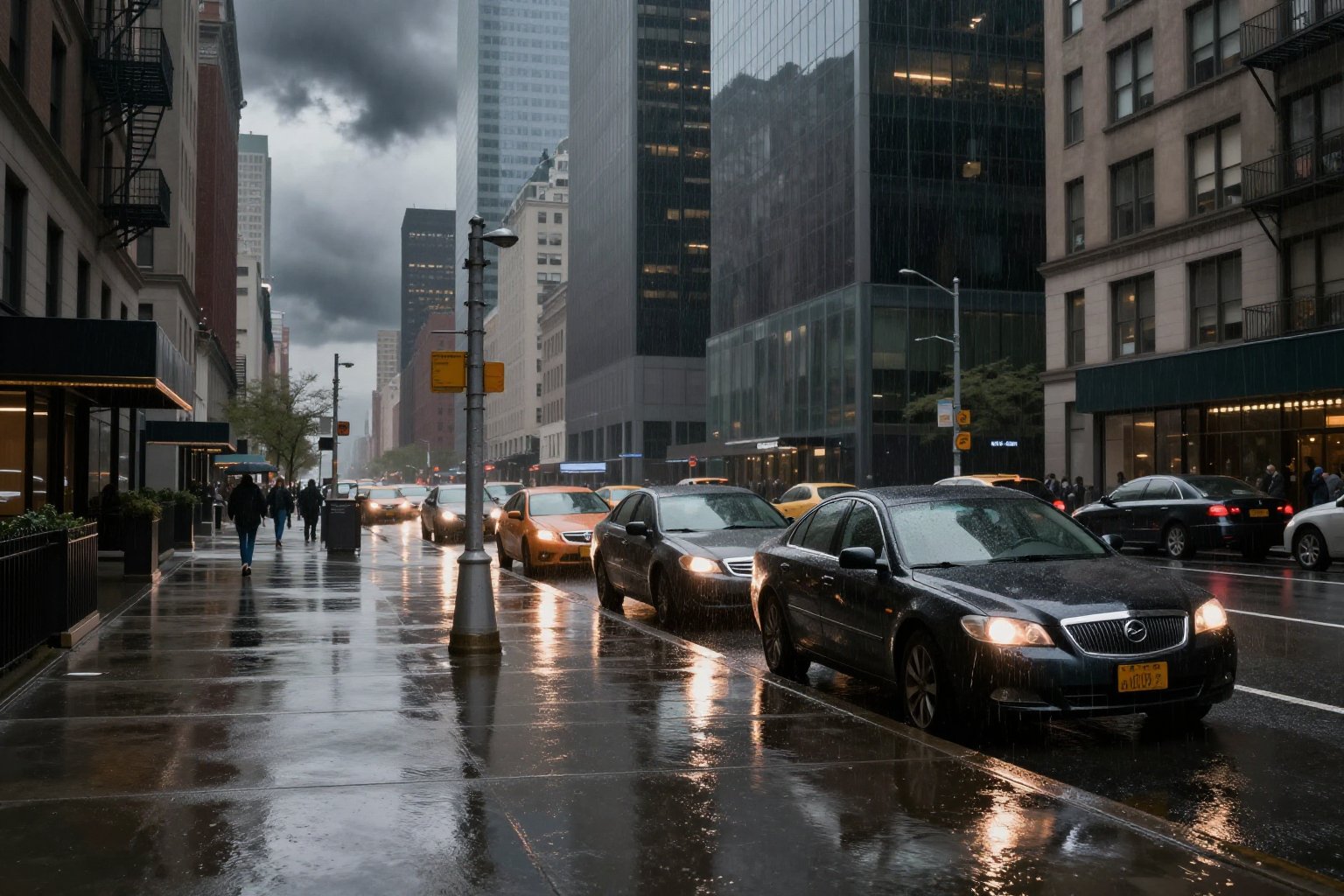
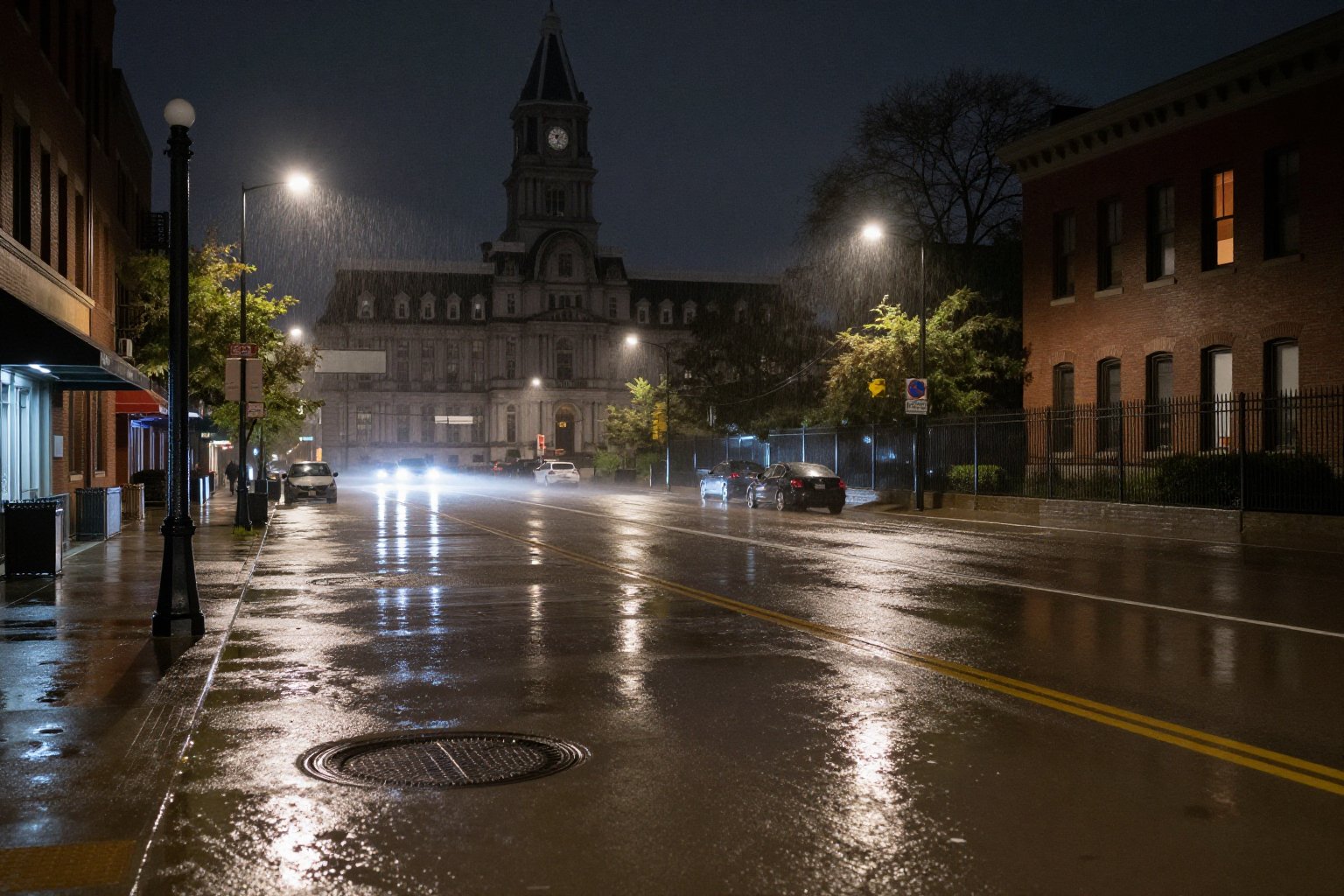
Fast‑moving storms on Sunday morning, August 23, 2026, caused heavy rain that overwhelmed drainage systems, flooding low‑lying streets in New York City and New Jersey.
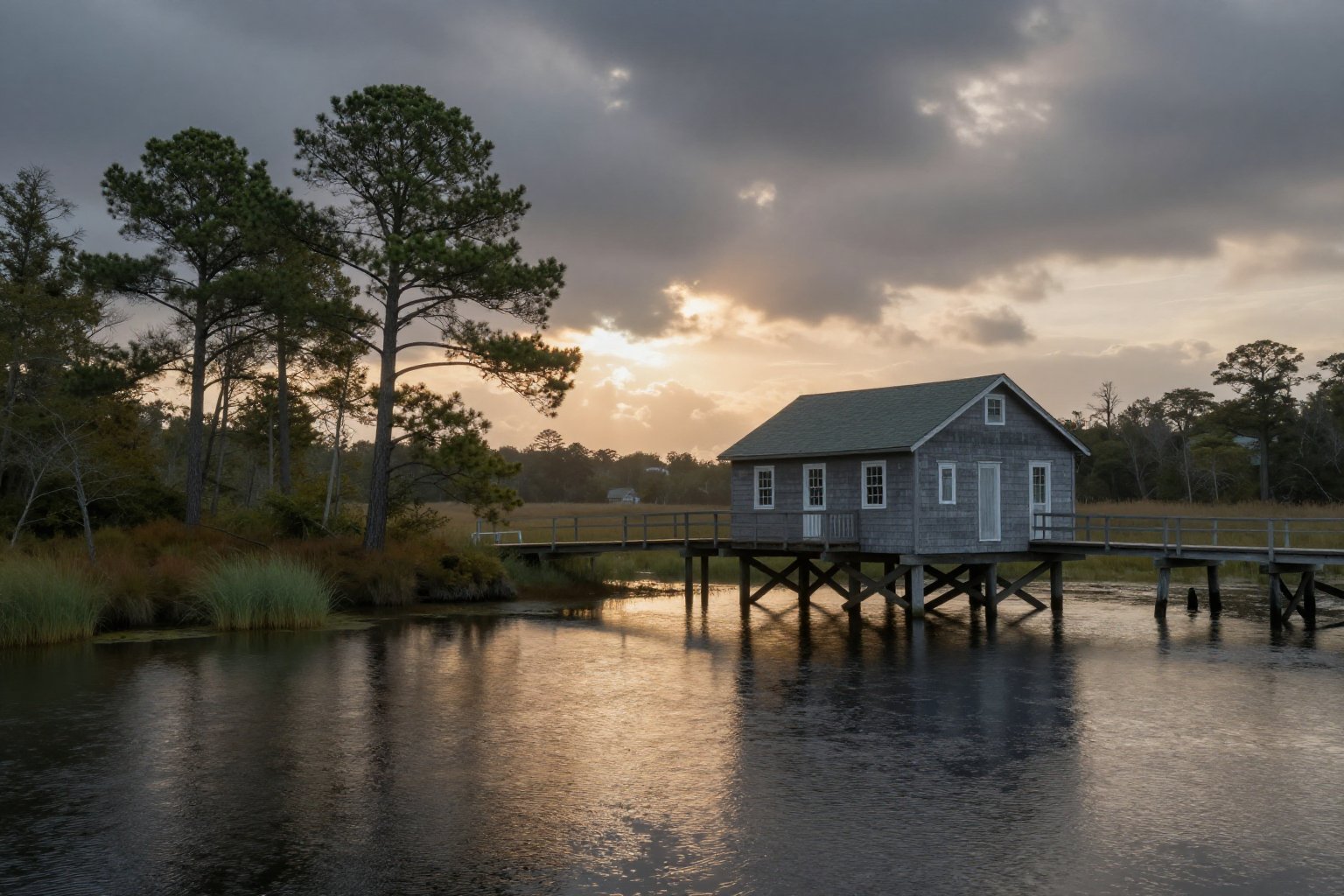
A historic 1910 boathouse in Cape May is being raised eight feet to protect it from frequent flooding, under the guidance of preservationist Keith Laudeman. The engineering effort reflects a broader strategy to preserve heritage structures amid rising water levels.
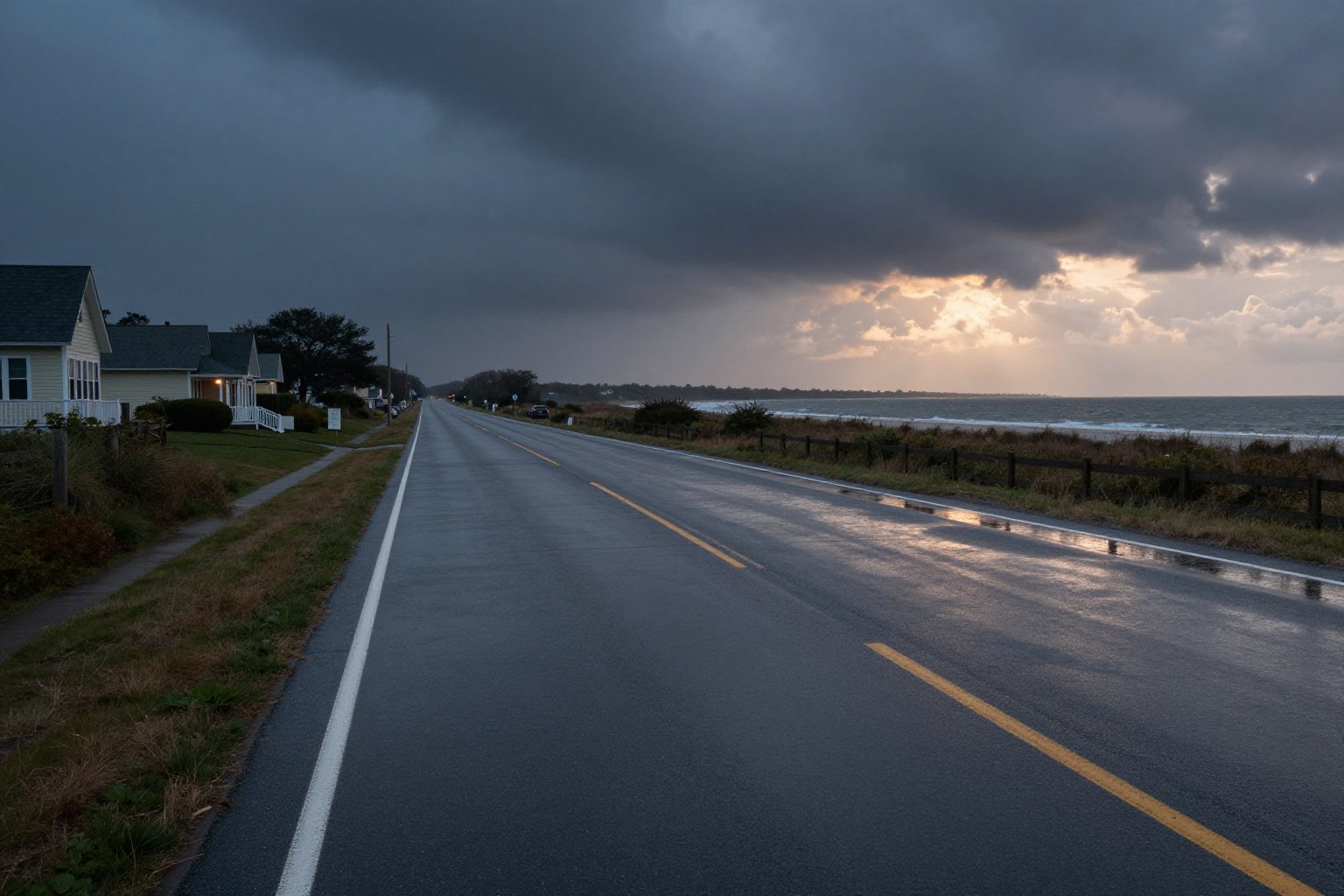
The National Weather Service warned that heavy rain from severe thunderstorms could cause widespread flash flooding during Thursday's evening commute in many New Jersey areas, including Cape May County. Motorists are advised to allow extra travel time, avoid low‑lying roads, and stay updated on conditions.
Local road crews will close a portion of Moe Road in Clifton Park on Friday, August 21, 2026, for several hours to repair flood damage caused by recent heavy rain, with motorists advised to use alternate routes.
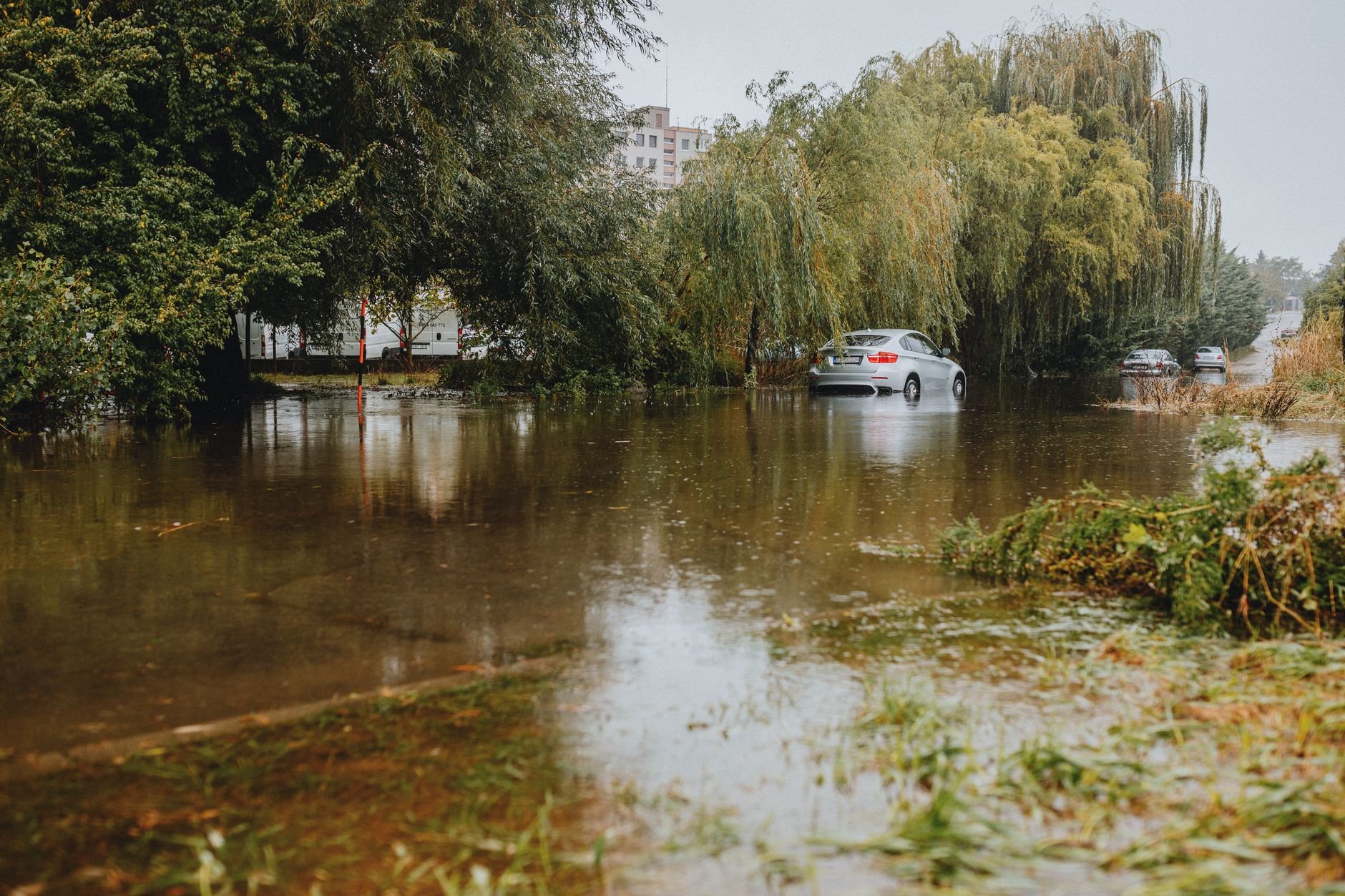
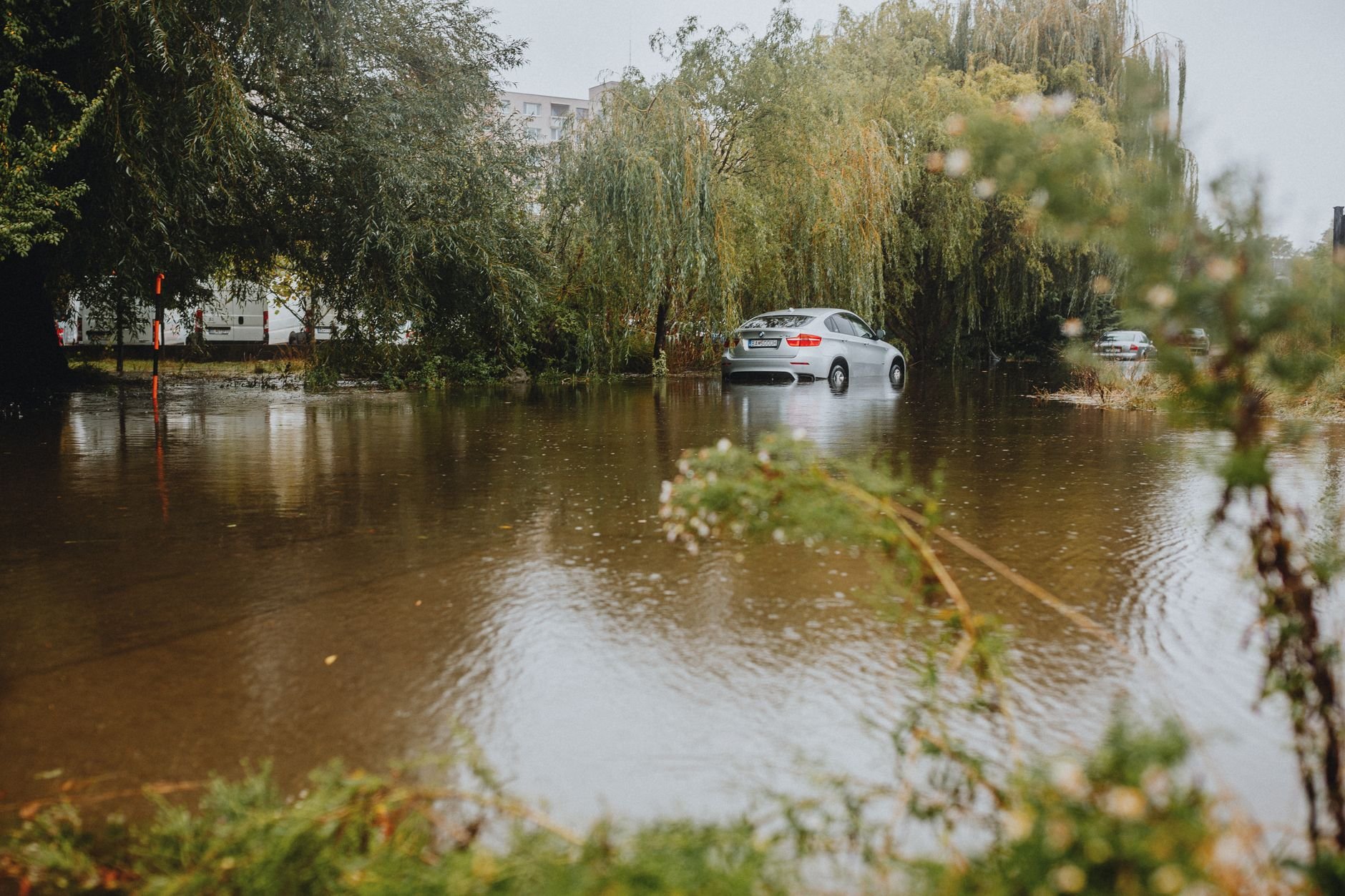
Heavy rain on August 6, 2026, flooded portions of the Western Turnpike in Guilderland, NY, leading officials to close the road and redirect traffic while assessing damage and planning repairs.
Heavy rain on August 6, 2026, caused flooding in Guilderland that submerged a police cruiser and forced the closure of the Western Turnpike, disrupting travel for commuters and Saratoga visitors.
Brown’s Beach in Stillwater, NY, is set to reopen in early August 2026 after a week‑long closure caused by historic flooding, restoring a popular spot for locals and tourists.
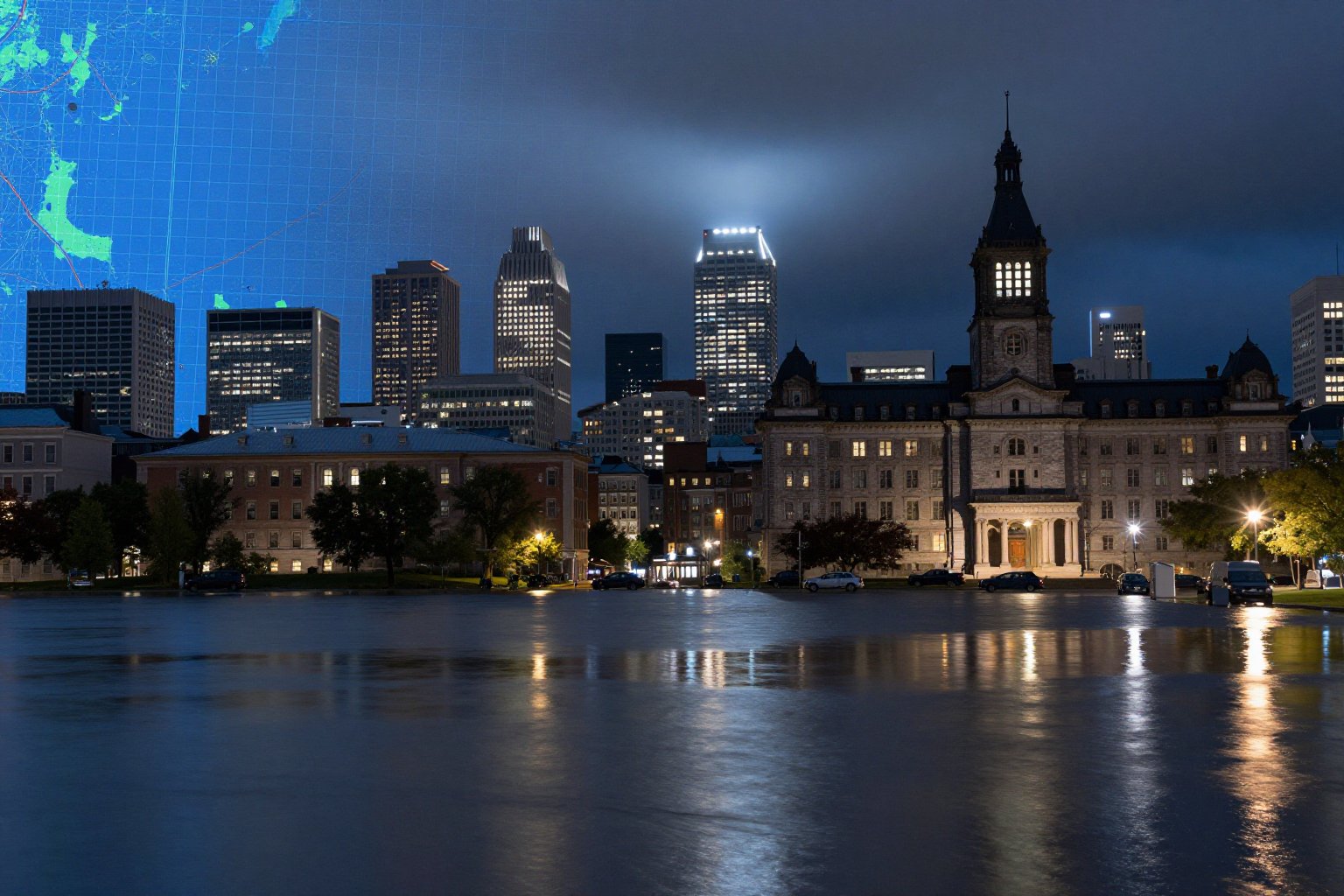
Montreal’s metropolitan community asked Quebec’s government on August 4, 2026 for help mapping buildings at risk of flooding, citing a rise in heavy‑rain events that have increased flood incidents across the city.
The Communauté métropolitaine de Montréal has asked Quebec to fund a project that will map flood‑prone buildings, citing a rise in severe rainstorms and related flooding across the city.
Montreal’s regional authority has asked the Quebec government for help in mapping the city’s flood‑prone building zones, a move prompted by a rise in heavy‑rain events and increasing flood incidents.
Heavy rain from recent storms caused severe flooding and a landslide in L'Ascension, Quebec, damaging homes and infrastructure. The event is part of a wider pattern of storm‑related damage across the province.
St. Catharines declared a state of emergency on August 2, 2026, after three severe rain events caused flooding and damage. City officials have activated emergency measures to address the impacts and protect public safety.
Montreal's metropolitan community has asked the Quebec government for assistance in creating a map of buildings most vulnerable to flooding, citing an increase in heavy‑rain events and related flood incidents.
Intense rainstorms on August 4 caused flooding and a landslide in L'Ascension, Quebec, damaging streets and a hillside as part of a larger weather system affecting the province.
Montreal's regional authority has asked the Quebec government for help funding a project to map flood‑prone buildings, a response to the city's rising flood incidents caused by severe rainstorms.