Communauto Employee Triggers Potential Data Breach
Communauto reported that an employee's attempt to access customer data caused a potential breach, prompting immediate security actions and an ongoing investigation.
Tag
38 storiesnewest firstlatest September 15, 2026page 2 of 2
Communauto reported that an employee's attempt to access customer data caused a potential breach, prompting immediate security actions and an ongoing investigation.
Russian‑speaking hackers have posted personal data of about 350,000 CCQ users on the dark web after breaching the Quebec construction regulator’s website. The leak includes driver’s licenses, passports, bank and credit‑card details, prompting warnings from the CCQ and privacy officials.
Thomson Reuters Canada detected unauthorized activity on its C‑Track platform on June 30, 2026, leading to a data breach that affected Ontario courts.
A cyber attack in June 2026 breached the online case management system used by Ontario courts, potentially exposing personal data of individuals involved in legal proceedings. The judiciary and Thomson Reuters Canada Limited are investigating and working to enhance security measures.
Iranian group APT IRAN claimed responsibility for a North Texas internet outage as part of actions before the 9/11 25th anniversary. AT&T denied any involvement in the disruption.
APT IRAN said it caused a North Texas internet outage on Sept. 9, 2026, but AT&T denied any involvement, attributing the disruption to internal issues.
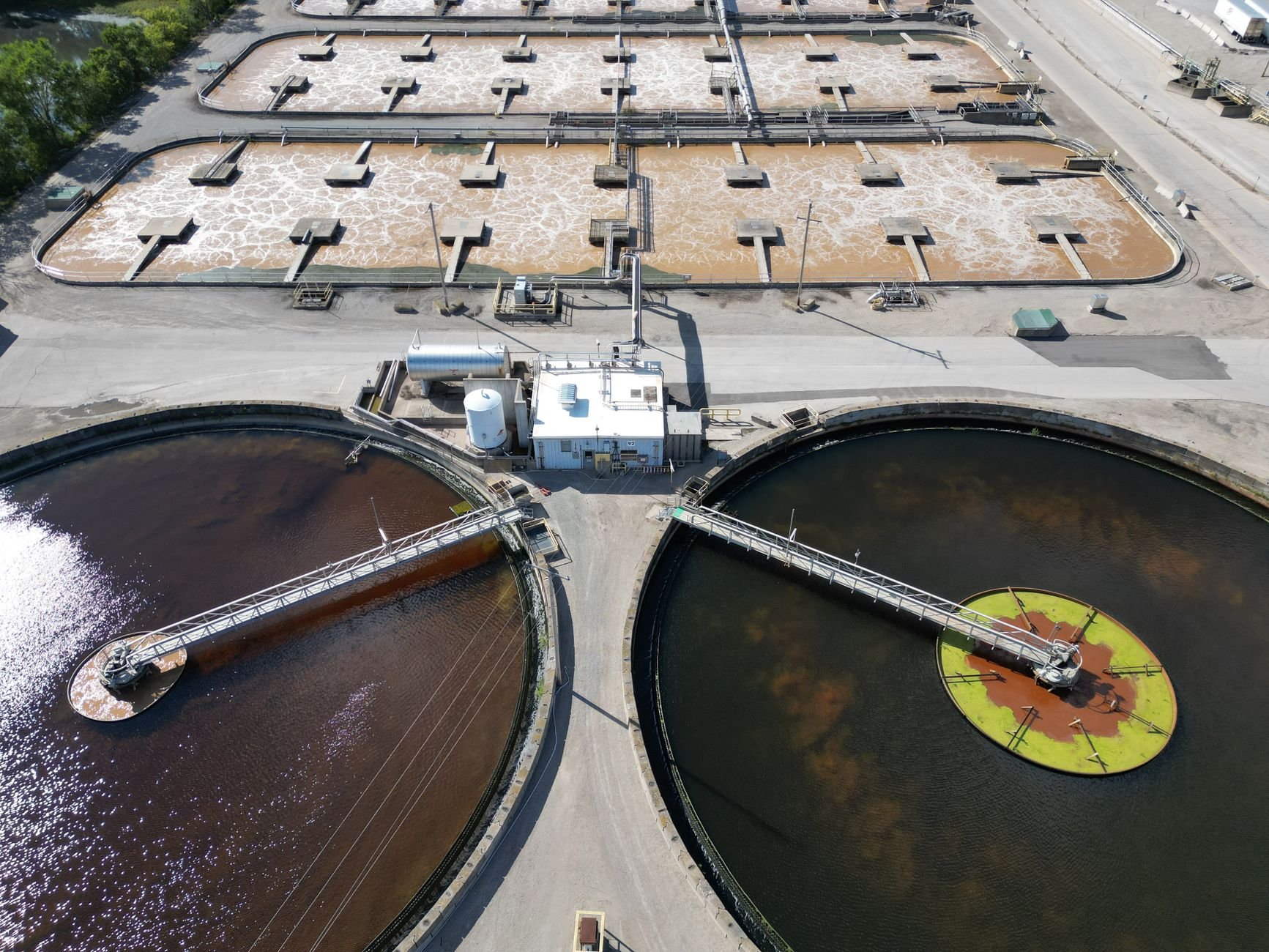
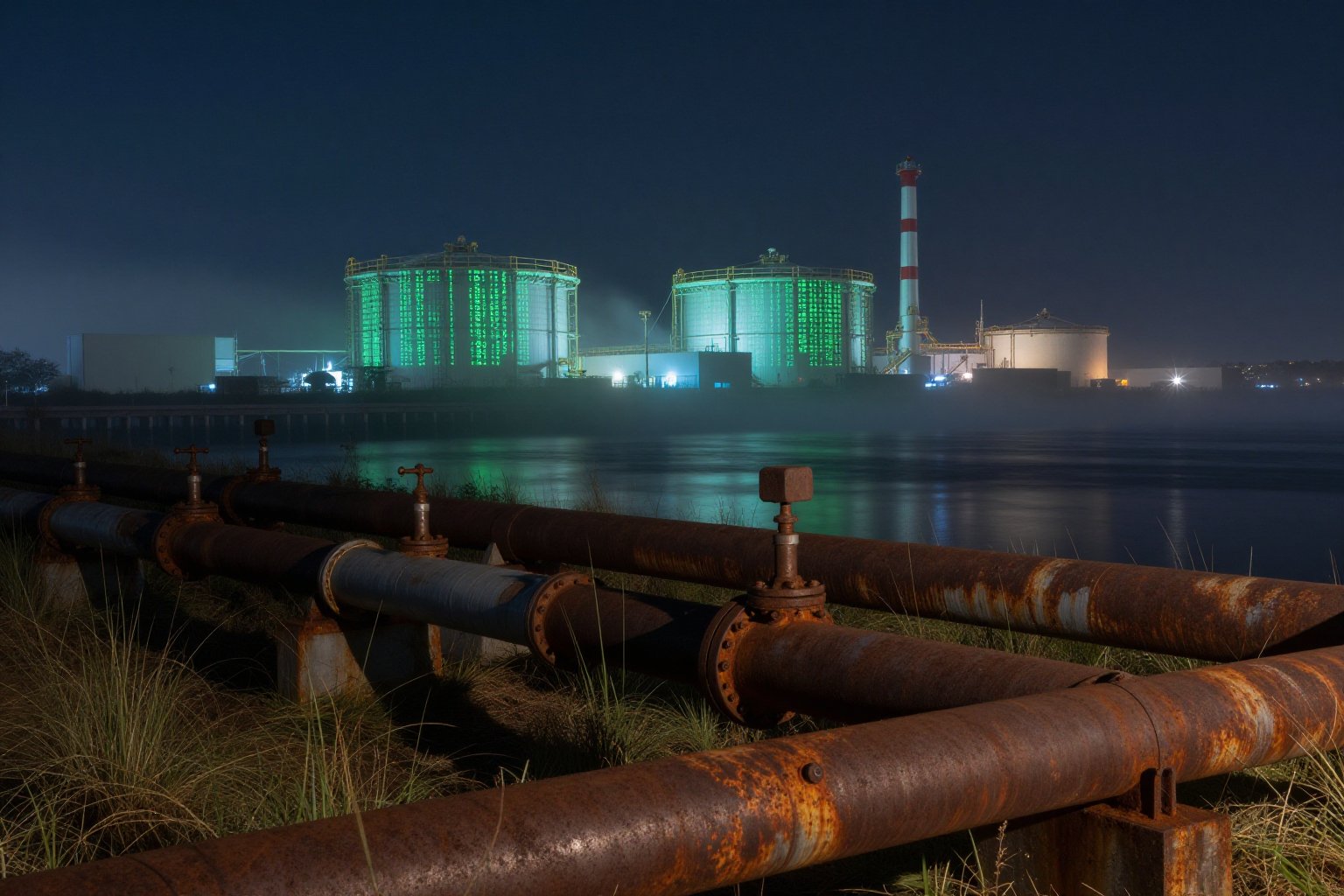
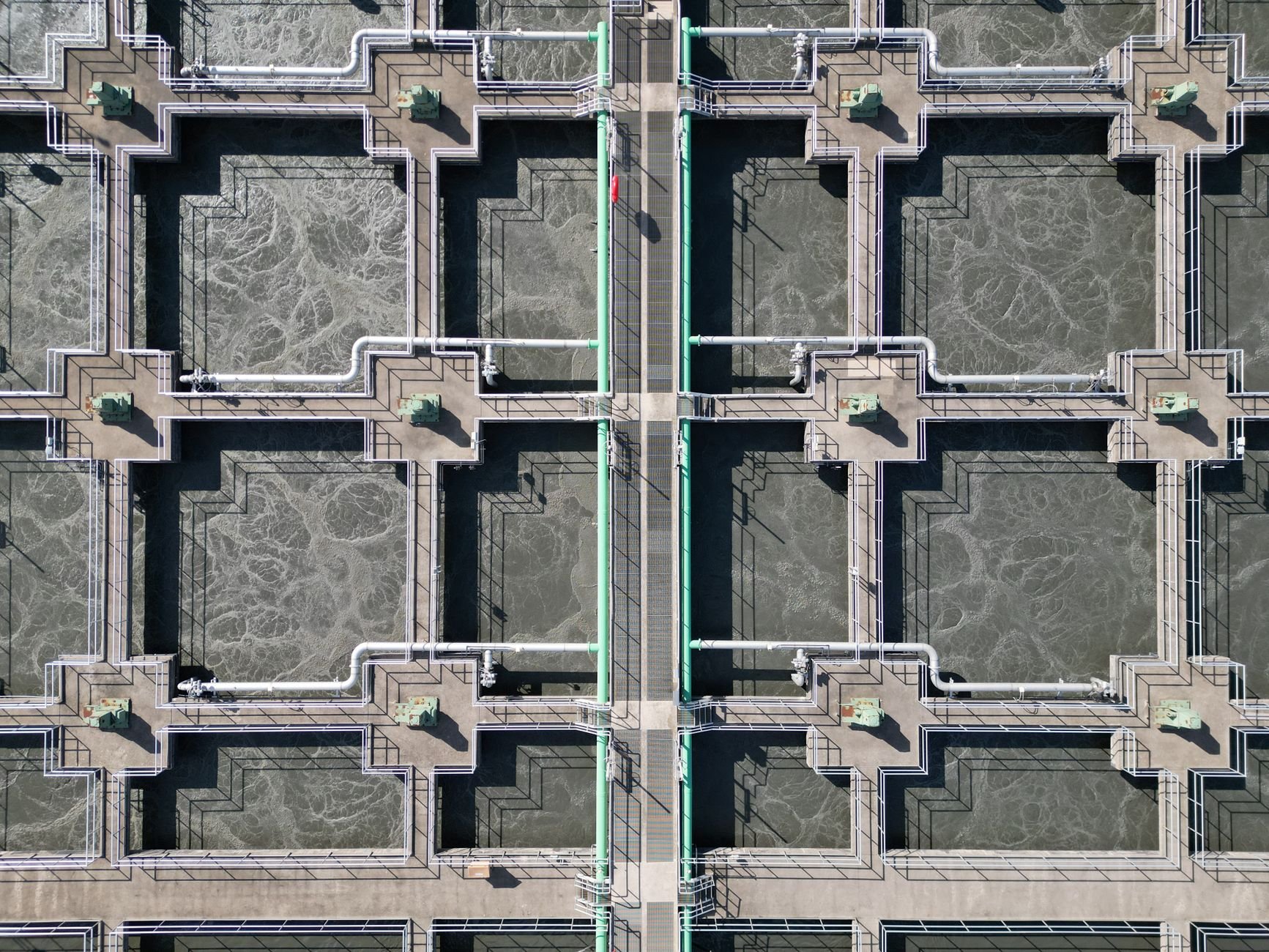
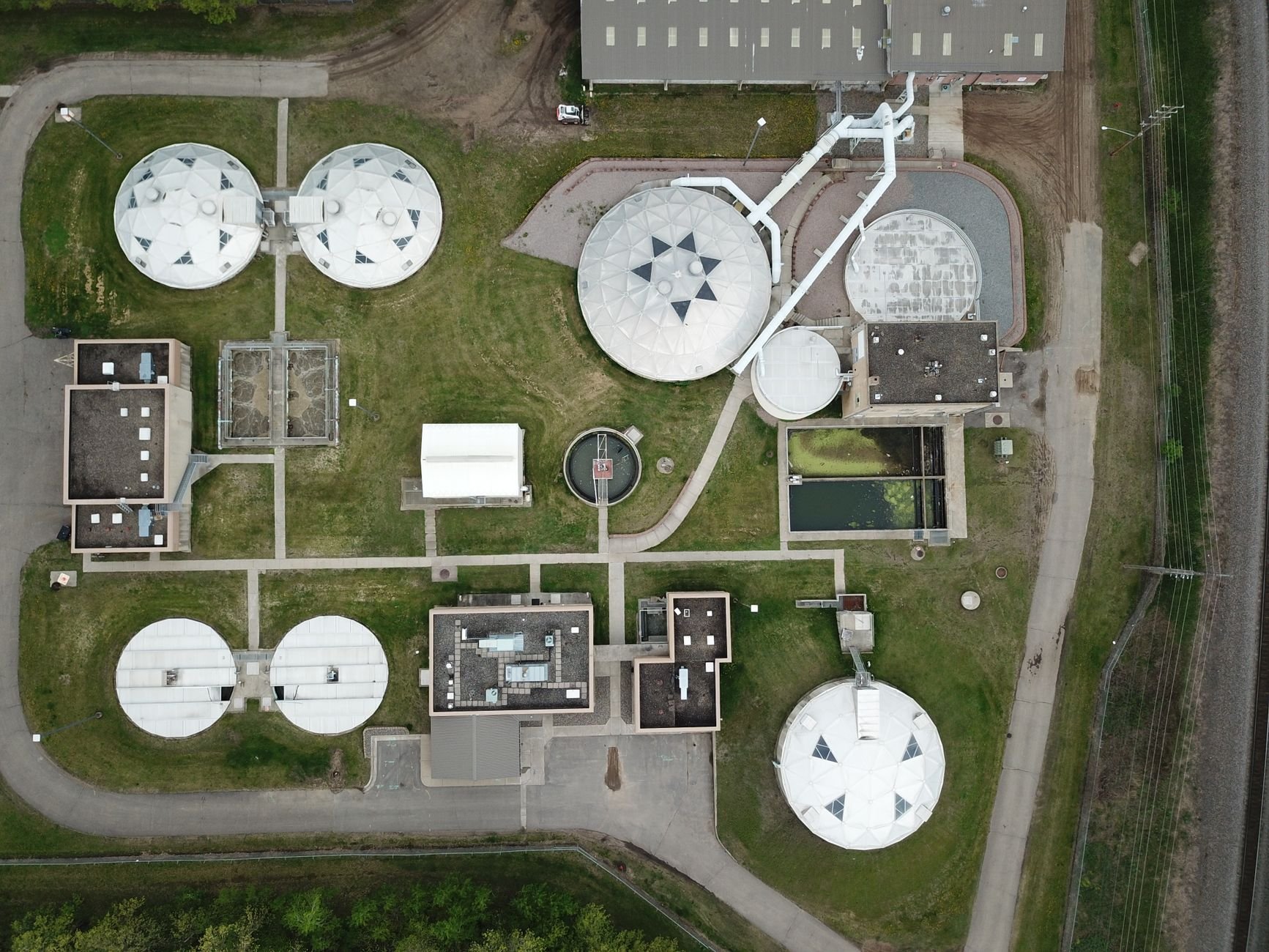
Quebec and the federal government are investigating cyberattacks that hit two Canadian water treatment plants and dozens of U.S. facilities during the summer of 2026.
Quebec and the federal government are investigating summer 2026 cyberattacks that hit two Canadian water treatment plants and dozens of U.S. facilities, amid a rise in cyber threats to critical infrastructure across North America.
Quebec and Ottawa are investigating summer 2026 cyberattacks that hit two Canadian water‑treatment plants and dozens of U.S. facilities, amid a broader rise in threats to critical infrastructure.
Unknown hackers accessed monitoring systems at Cape May and Woodbine water utilities on August 8, 2026, without affecting water operations, underscoring infrastructure cybersecurity concerns.
Hackers accessed the monitoring systems of Cape May and Woodbine water utilities on August 6, 2026, but water service and customer data were not affected, highlighting infrastructure cyber‑security risks.
Hackers targeted the Cape May and Woodbine water systems on August 7, 2026, but swift action kept drinking water safe and protected all personal data. The incident is part of a broader wave of utility cyber threats, prompting further security reviews.
A cyberattack linked to an organized Russian hacking group breached Saint‑Noël’s drinking water facility on August 2, 2026, prompting municipal and cybersecurity responses to secure the system and investigate the intrusion.
Russian hackers accessed the control network of Saint‑Noël’s drinking water plant on Aug. 2, 2026, prompting a cybersecurity response and highlighting the growing threat to Canadian water utilities.
Anjou borough reported a computer system breach on July 23, 2026, leading to an investigation for possible data theft and causing operational and telephone service disruptions.
Data‑breach reports in Quebec have risen 559 percent over three years, with medical records now selling for $250 to $1,000 each, amid scrutiny of the province's new digital health records system.
Hydro‑Québec warned on June 25 that a surge in phishing emails impersonating the utility is circulating across Quebec, seeking to steal money from recipients. The company provided guidance on how to recognize and report such fraudulent messages.
Hydro‑Québec warned Montreal residents in June 2026 about a rise in phishing emails that impersonate the utility and request money, urging verification and caution to prevent fraud.