Toast Sued Over Alleged Fee Misconduct
A federal case alleges Toast misled customers, charged unauthorized fees, and did not deliver promised support. Toast is a Boston‑based restaurant software provider.
Tag
25 storiesnewest firstlatest October 30, 2026page 1 of 2
A federal case alleges Toast misled customers, charged unauthorized fees, and did not deliver promised support. Toast is a Boston‑based restaurant software provider.
Seattle prohibited grocery stores from using personal shopper data for pricing, targeting surveillance pricing practices.
New York seniors received refunds and $23,500 in penalties were levied after a deceptive free‑book preview scheme, following action by the state attorney general and a consumer‑rights firm.
Arizona joined a lawsuit claiming Dollar General uses deceptive pricing that inflates shopper costs, part of broader consumer protection actions.
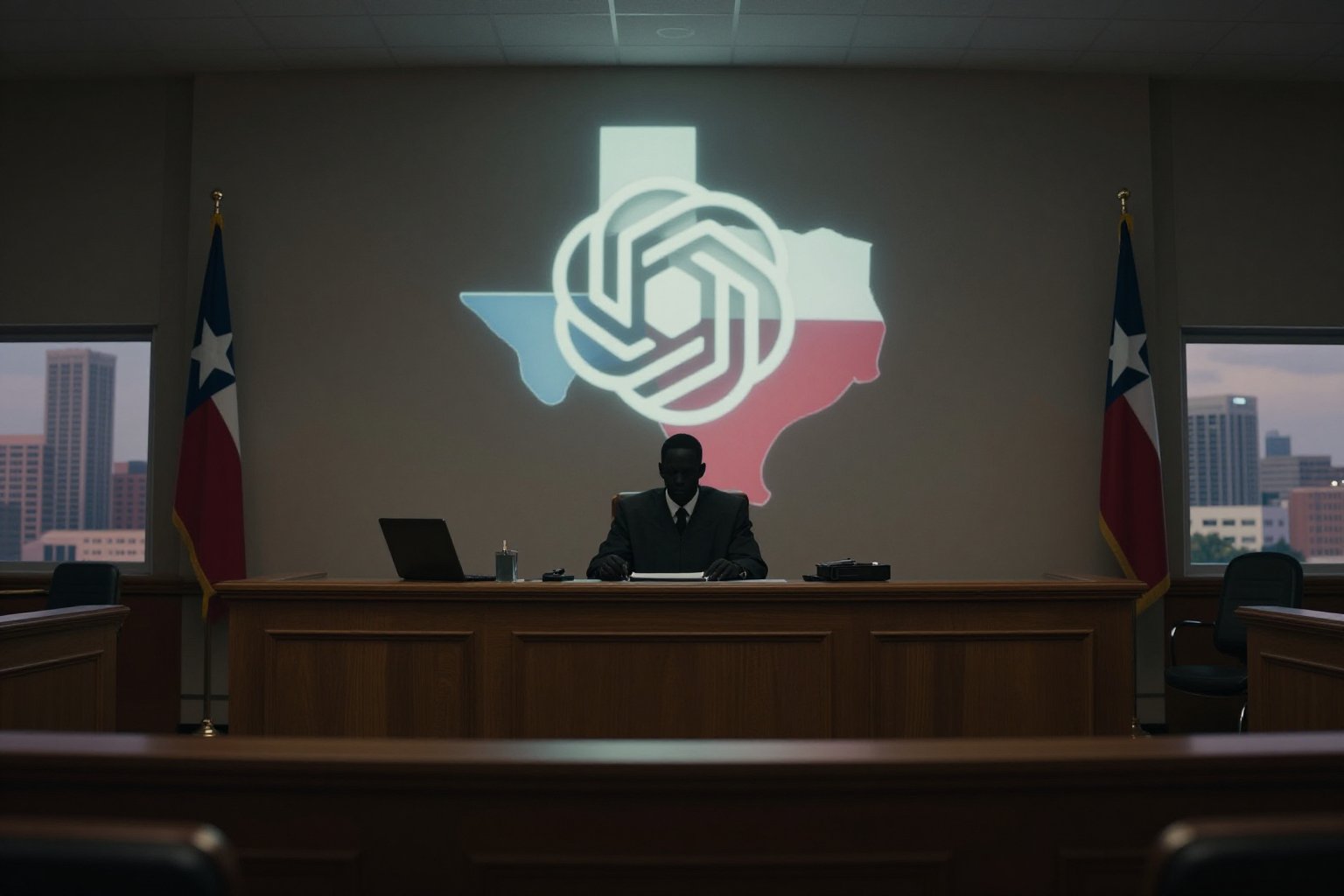
Texas AG Ken Paxton filed a consumer‑protection suit against OpenAI, claiming the firm misled users about ChatGPT safety and failed to protect minors.
Lawyers and NGOs filed a complaint on October 24, 2026, accusing four Israeli real estate firms and a Canadian agency of illegally marketing West Bank properties to Canadians. The case was lodged with the Competition Bureau in Toronto and Montreal.
Lawyers, civil society groups and the Competition Bureau filed a complaint on October 24, alleging that Israeli real estate firms and a Canadian agency misled Canadians by advertising illegal West Bank properties. The filing raises consumer protection concerns over the marketing of occupied‑territory real estate.
Temu will adopt new data‑security and product‑safety standards under a $3 million settlement with the State of Texas, ending a lawsuit over consumer protection concerns.
New York City is proposing a regulation that would require companies using AI chatbots for customer service to also offer a human representative, updating consumer‑protection policies to preserve the option of speaking with a person.
A Seattle federal judge threw out a class‑action suit over Costco's Kirkland Signature tequila labeling, stating Mexican regulations control the definition of tequila.
Arizona AG Kris Mayes sued OpenAI, claiming ChatGPT deceives consumers and endangers children, amid broader scrutiny of AI compliance with state consumer laws.
California's CARS Act, effective Oct. 1, 2026, bans misrepresentation of total vehicle costs and fees for optional add‑ons, aiming to enhance consumer protections.
Seattle’s mayor signed a law banning grocery stores from using personal data to set different prices for customers.
Consumers in Seattle have filed a lawsuit claiming Starbucks’ sugar‑free protein drinks contain sugar. The suit identifies eight drinks as mislabeled.
The city ordered tow companies to repay $67,000 to drivers after finding overcharges, part of a mayoral push to stop towing scams.
Phyllis C. Wells sued Dunkin' Brands in Boston federal court, saying its Zero energy drinks are falsely advertised as sugar‑free because they contain allulose. She drinks two to three of the drinks weekly and claims the sweetener is a sugar.
Starting Oct. 1, 2026, California dealers must disclose total vehicle prices in ads, per the CARS Act (SB 766) signed by the governor to improve transparency.
Seattle passed an ordinance banning large grocery retailers from using shoppers' personal data to set individual prices, aiming to stop surveillance pricing. The rule targets major chains and seeks to ensure uniform pricing for all customers.
The Mamdani administration asked New York state regulators to impose stricter buy‑now‑pay‑later rules and grant the city enforcement power, citing rising debt among low‑income residents, as the state reviews its own BNPL regulations.
Quebec implemented new rules on September 13, 2026, to restrict concert ticket resale and address the largely unregulated secondary market. The regulations aim to increase transparency and protect consumers from inflated prices.