October Ties for Sixth Warmest Month in Chicago History
Chicago’s October 2026 average of 60.8°F, 6.8°F above normal, tied the sixth warmest October in over 150 years of records.
Tag
32 storiesnewest firstlatest November 2, 2026page 1 of 2
Chicago’s October 2026 average of 60.8°F, 6.8°F above normal, tied the sixth warmest October in over 150 years of records.
Philadelphia launched a digital toolkit to aid residents in discussing climate change and preparing for extreme weather, supporting the city’s climate‑resilience initiatives.
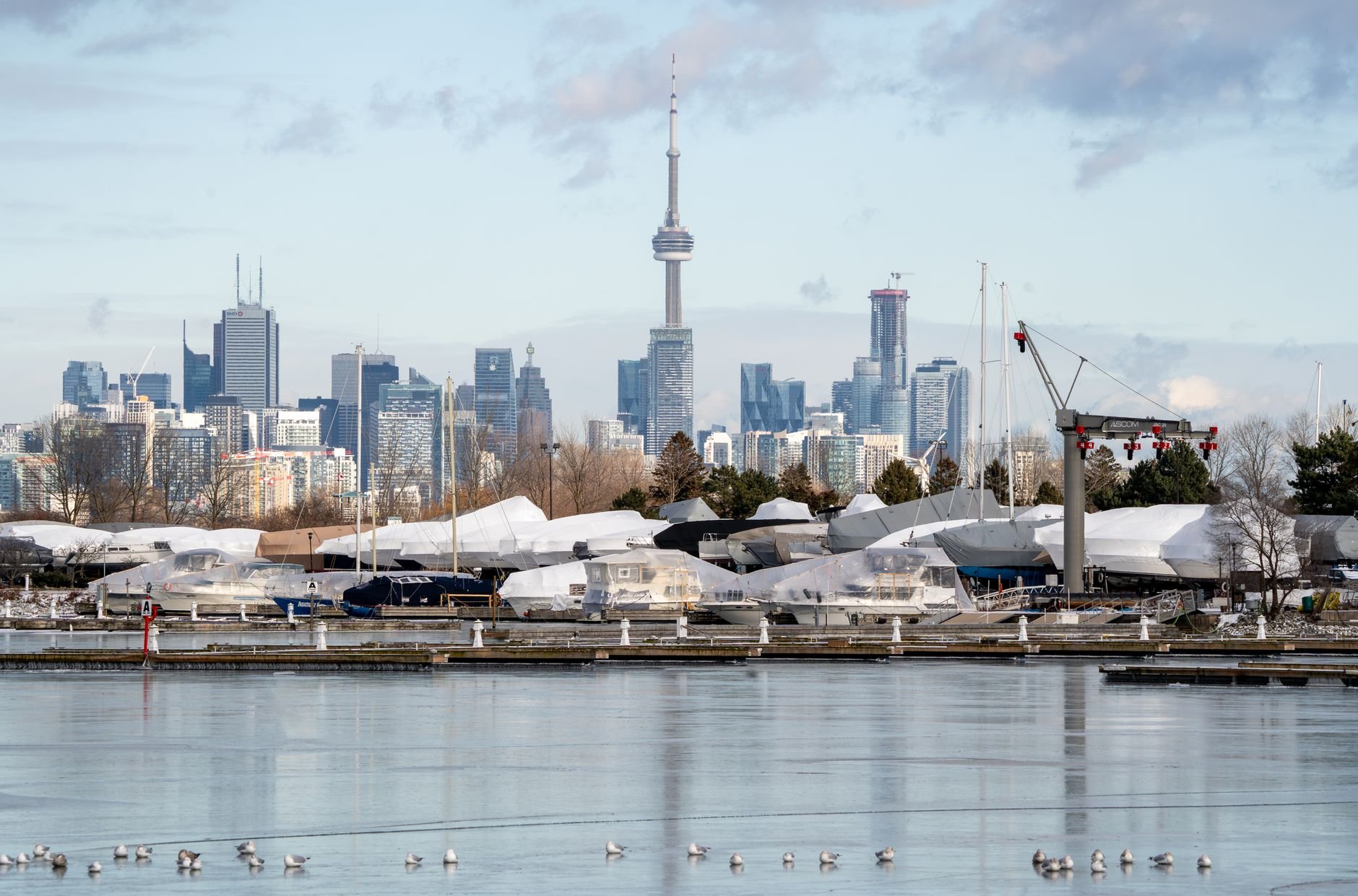
A CBC meteorologist warns that El Niño could bring warmer conditions to Ontario in the 2026‑2027 winter, noting the pattern’s effect on atmospheric circulation.
Seattle city government granted $4.6 million to nine affordable‑housing groups to fund projects that cut building‑related climate pollution, advancing the city’s climate‑action goals.
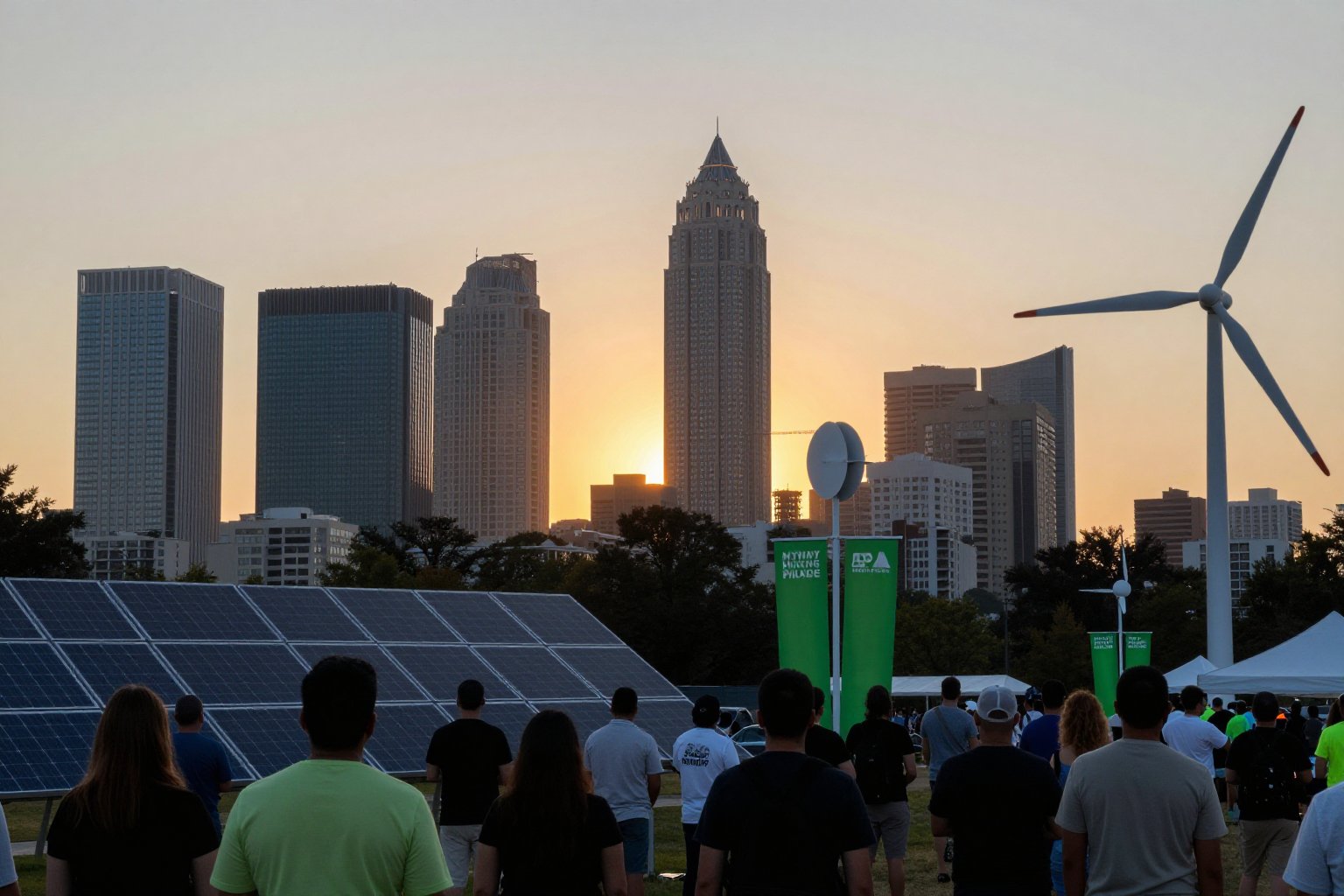
Atlanta launched its first Climate Week on October 10, 2026, focusing on climate issues.
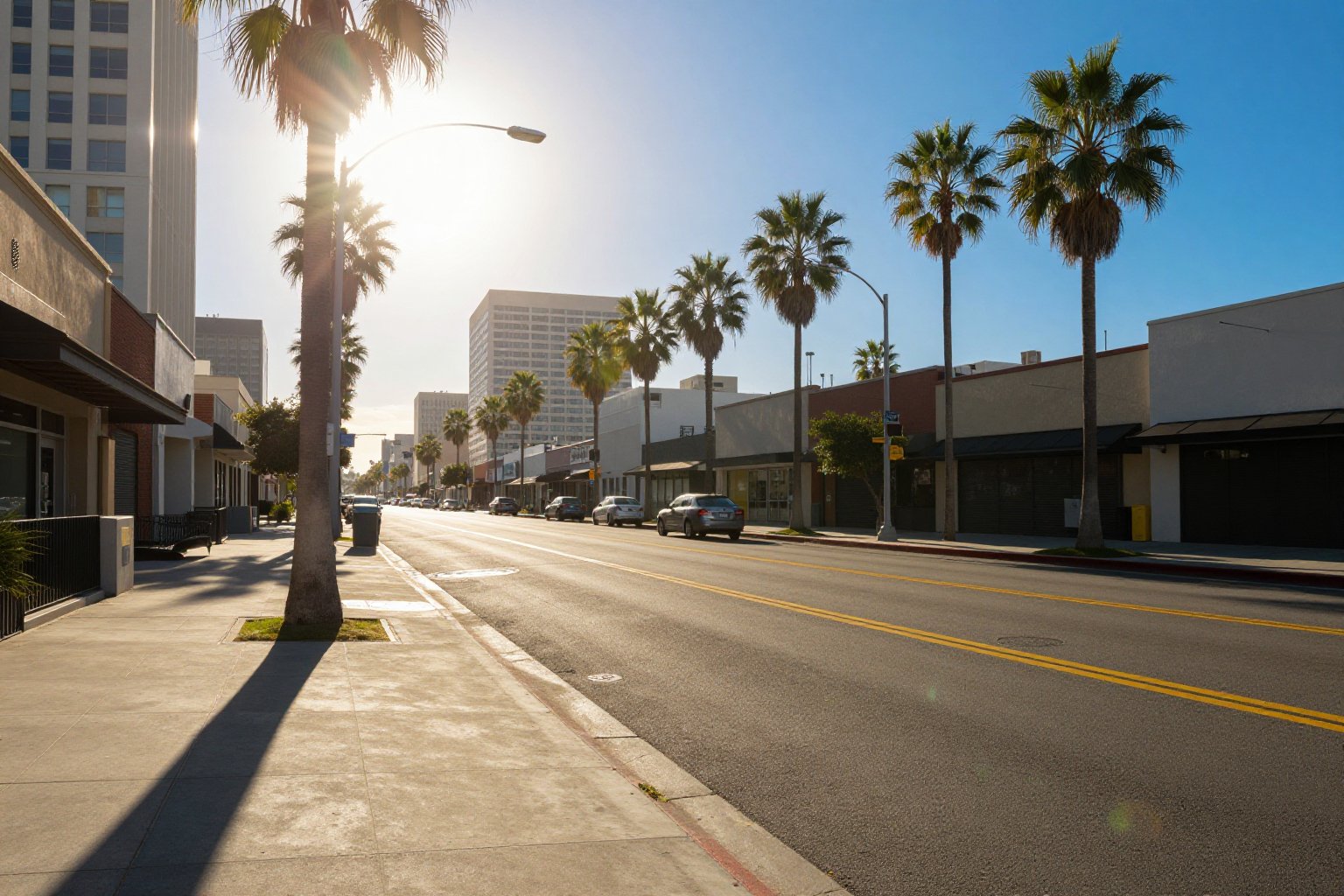
A heat wave in Southern California during October 2026 is breaking temperature records, driven by a stationary high‑pressure ridge that limits night‑time cooling.
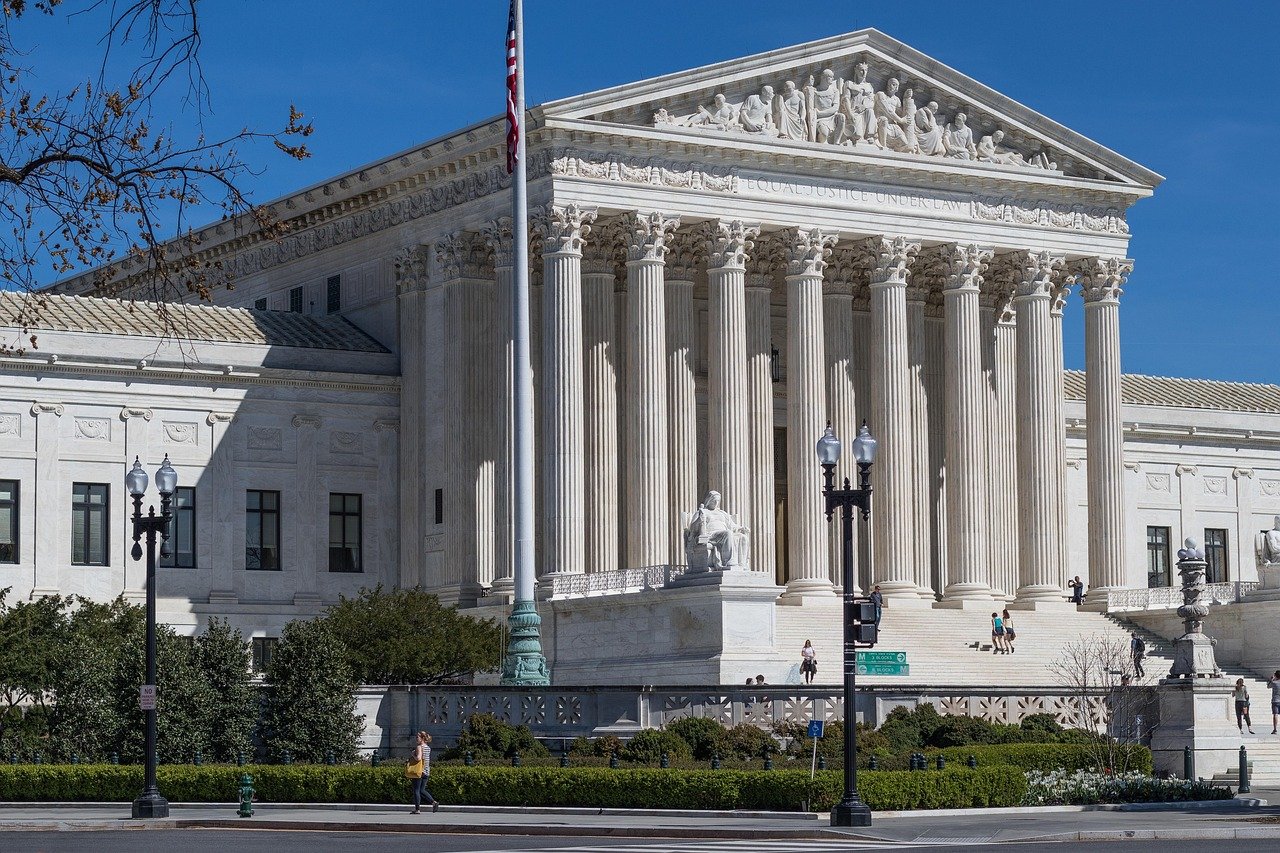
The Supreme Court considered whether local governments can sue oil and gas firms for climate‑related costs, a case involving potentially billions of dollars that may shape future climate litigation.
The Supreme Court will hear a case on October 4, 2026, to decide if the five biggest oil firms must pay for climate damage, stemming from California's 2023 lawsuit and a Colorado case.
A powerful El Niño may push back Ontario's usual late‑September peak of fall colours, affecting the timing of leaf colour change.
Eight combined sewer overflows hit Chicago’s Bubbly Creek area this summer, the highest number since 2022, driven by ongoing extreme weather that has increased overflow incidents citywide.
The 18th NYC Climate Week opened on September 20, 2026, focusing on AI, data‑center emissions, climate adaptation, energy supply and grid resilience. City officials and experts convened to discuss actionable strategies for reducing emissions and strengthening infrastructure.
Chief meteorologist Natasha Ramsahai warned that a strong El Niño could bring milder temperatures in some parts of Canada and increased storm activity in others during the winter of 2026‑2027 and early spring 2027.
The Department of Buildings reported to the City Council that most NYC buildings subject to emission‑reduction rules have complied or are taking steps to do so, though stricter future targets remain.
NOAA’s Climate Prediction Center issued a September 10 outlook showing over a 90 percent chance of a very strong El Niño in fall and winter 2026‑27, projecting colder conditions for northern states and milder weather for Chicago and the southern U.S.
El Niño‑induced warm waters are attracting marine species not normally found along Southern California’s coast, illustrating the climate pattern’s impact on local marine ecosystems.
A recent destructive storm in Toronto has prompted environmental experts to warn that climate‑resilience strategies will be a pivotal issue in the upcoming municipal election.
Los Angeles officials warned that an unprecedented humid heat wave during the week of September 8, 2026, poses serious health risks, urging residents to take precautionary measures and stay informed.
The World Meteorological Organization has labeled the upcoming El Niño as exceptional, forecasting a milder and more erratic winter for Quebec in 2026. A meteorologist cautioned that the season could bring unexpected weather variations.
California lawmakers have sent a suite of climate and energy bills to Governor Gavin Newsom for signature, aiming to revamp climate spending, close a review loophole, and reduce electricity rates.
A La Presse report finds that 164 schools—about one‑third of Montreal Island’s primary and secondary institutions—are located in urban heat‑island areas, exposing many students to higher temperatures and widening existing inequalities.