Russian $300 Million Cargo Plane Stays Grounded at Toronto Airport
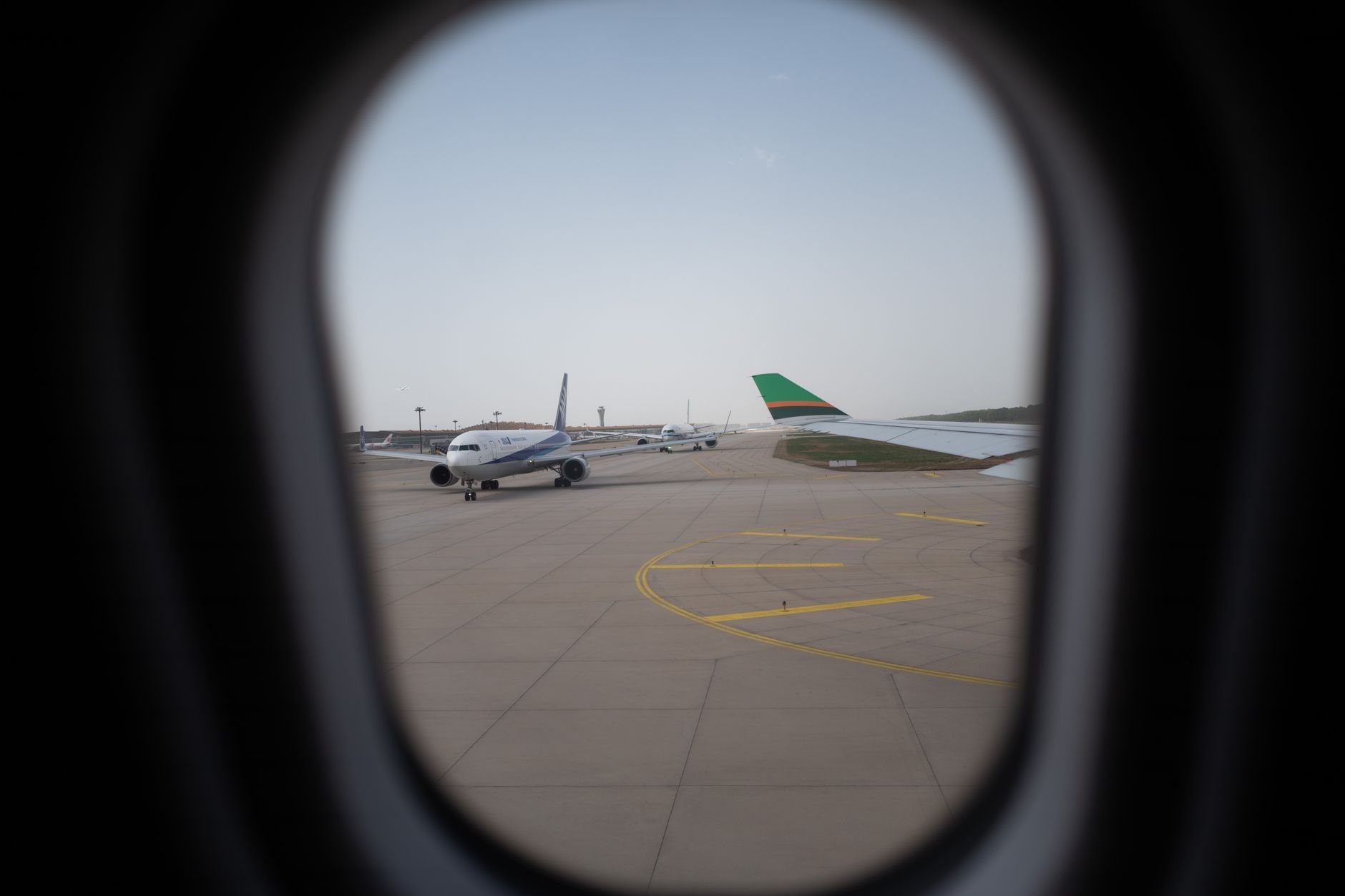
A $300 million Russian cargo plane has been grounded at Toronto Pearson for four years after Canada closed its airspace to Russian aircraft following the 2022 invasion of Ukraine.
Tag
160 storiesnewest firstlatest August 28, 2026page 4 of 8
A $300 million Russian cargo plane has been grounded at Toronto Pearson for four years after Canada closed its airspace to Russian aircraft following the 2022 invasion of Ukraine.
Canada announced the hiring of dozens of foreign scientists at the University of British Columbia, McGill University and the University of Toronto, adding international researchers to staff positions across the country.
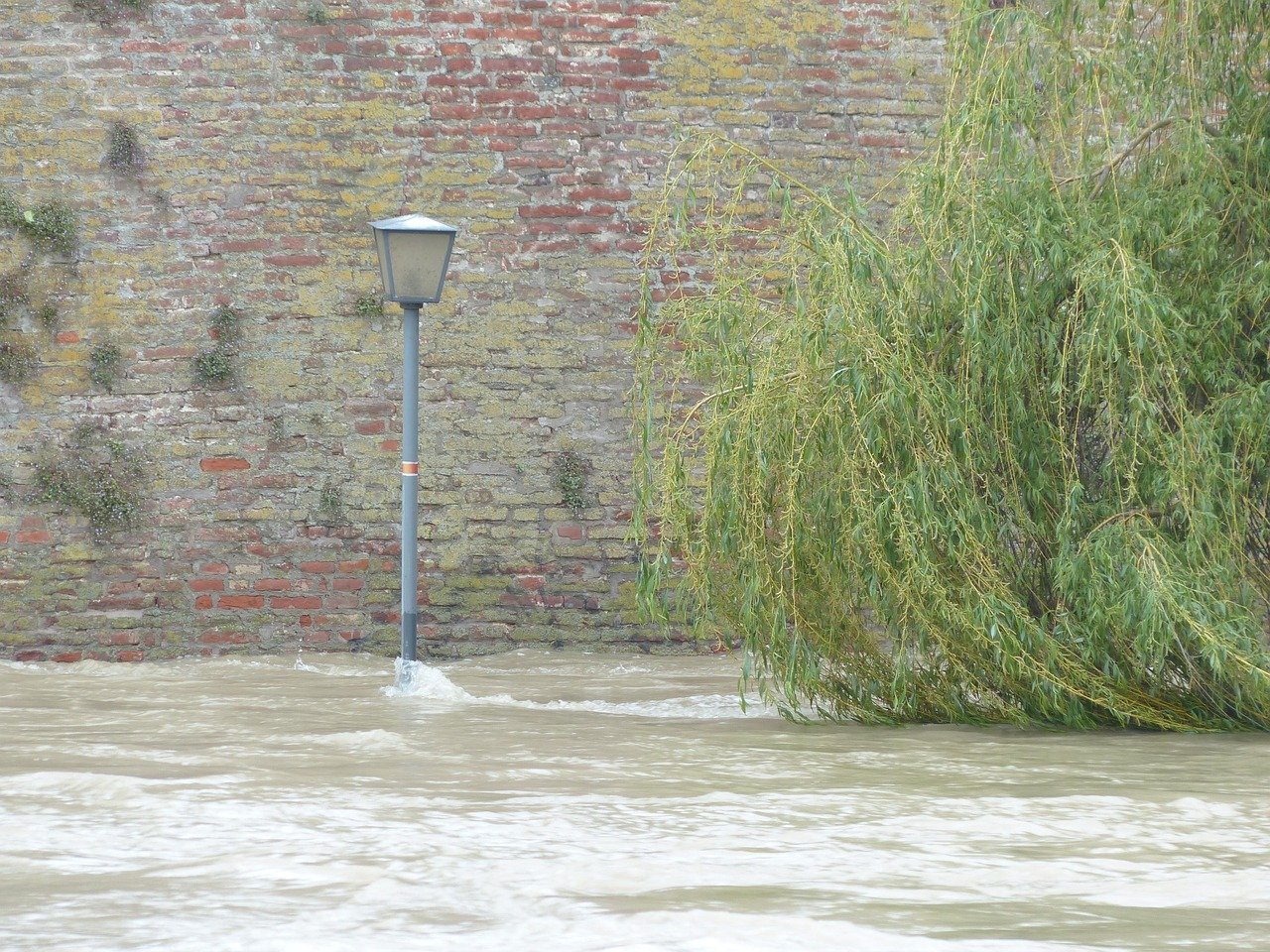
Strong summer storms in Ontario and Quebec caused $439 million in insured property damage, according to Catastrophe Indices and Quantification Inc.
Canada’s finance minister François-Philippe Champagne met with India’s finance minister in Toronto on August 27 to advance ongoing diplomatic and economic discussions between the two countries.
Ontario Premier Doug Ford told CNN his recent conversation with President Donald Trump became personal and heated, urging a calmer tone after a contentious meeting in Toronto.
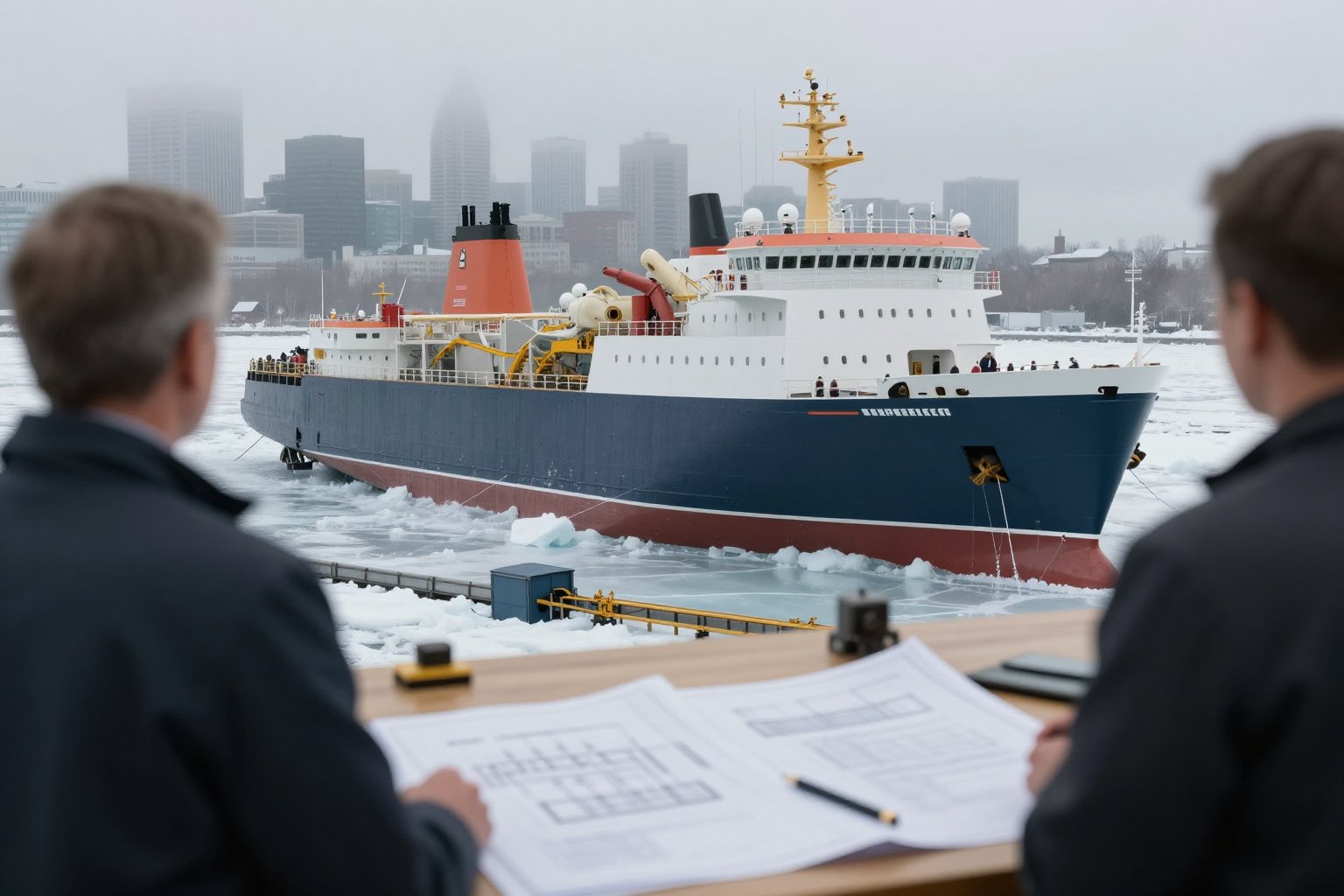
The federal government will spend $11.3 billion to build six icebreakers in Quebec, fulfilling a 2019 pledge to upgrade the Coast Guard fleet. The project is intended to modernize Arctic rescue capabilities and boost the province’s shipbuilding industry.
Prime Minister Mark Carney announced a $11.3 billion federal investment to build six icebreakers in Quebec, fulfilling a 2019 promise and aiming to boost the province’s shipbuilding sector while expanding the Canadian Coast Guard’s ice‑breaking fleet.
Canada’s finance minister announced a dollar‑for‑dollar retaliation to recent U.S. tariff hikes, including possible cuts to electricity and critical mineral exports, while Quebec’s minister said the province will not be intimidated by the pressure.
Canada has pledged 11 billion dollars to build six new icebreakers in Quebec, fulfilling a 2019 promise to replace the Coast Guard’s aging vessels and modernize the fleet.
The Canadian government, led by Prime Minister Mark Carney, committed $11.3 billion on August 24, 2026 to build six new icebreakers in Quebec, fulfilling a 2019 promise to replace the Coast Guard’s aging fleet.
More than thirty countries sent experts to Toronto for the Basic Income Earth Network Congress, where they discussed universal basic income and a pending Canadian Senate bill. The meeting aimed to inform the legislation with international research and policy experience.
Health Canada seized several unapproved contraceptive and antibiotic products from a Montreal store on August 19, 2026, citing potential health risks and reinforcing its routine inspection program.
The Basic Income Earth Network Congress convenes in Toronto from August 19‑23, 2026, gathering experts from over 30 countries, including Canadian Senate members, to examine Canada’s basic‑income policies and a pending Senate bill.
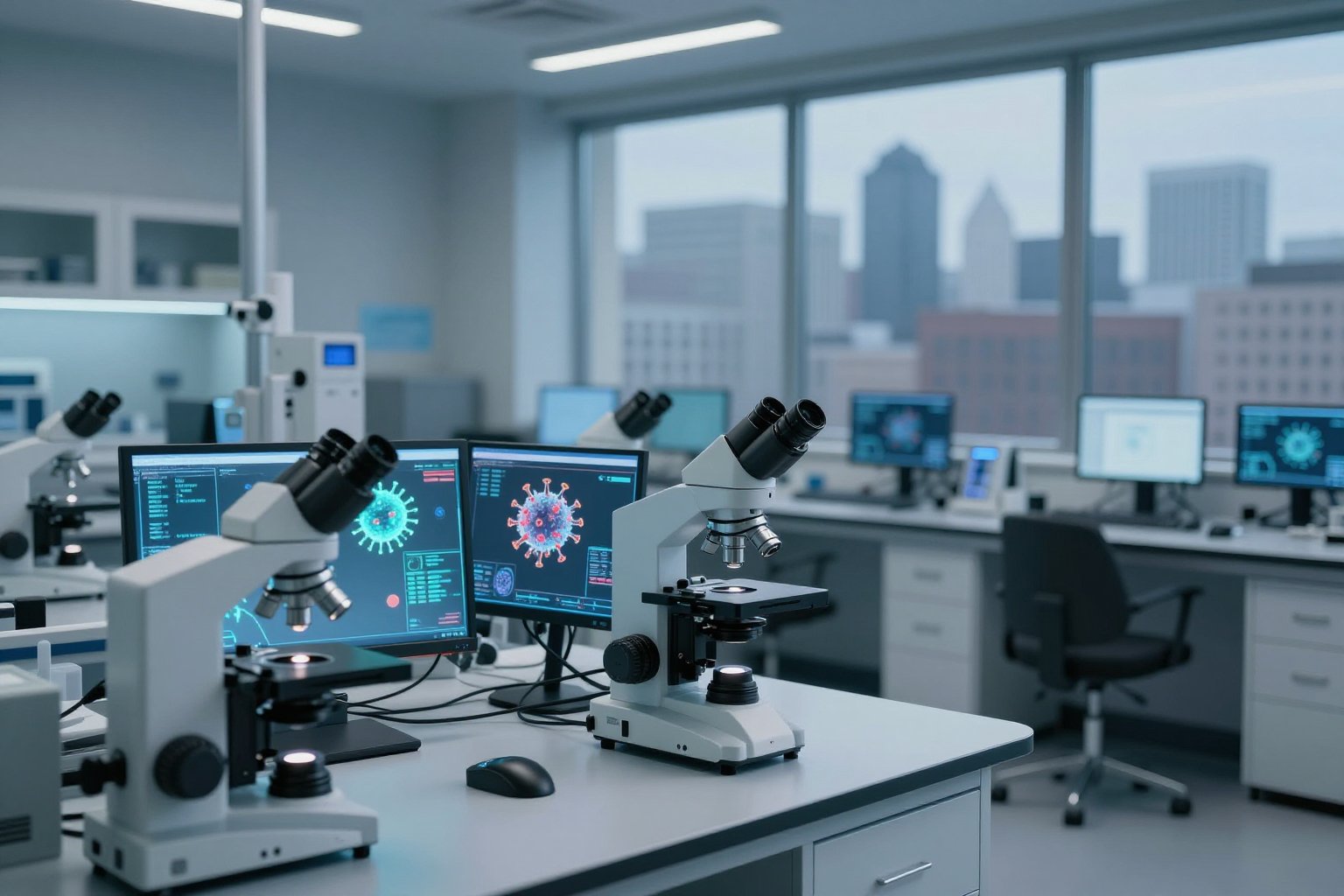
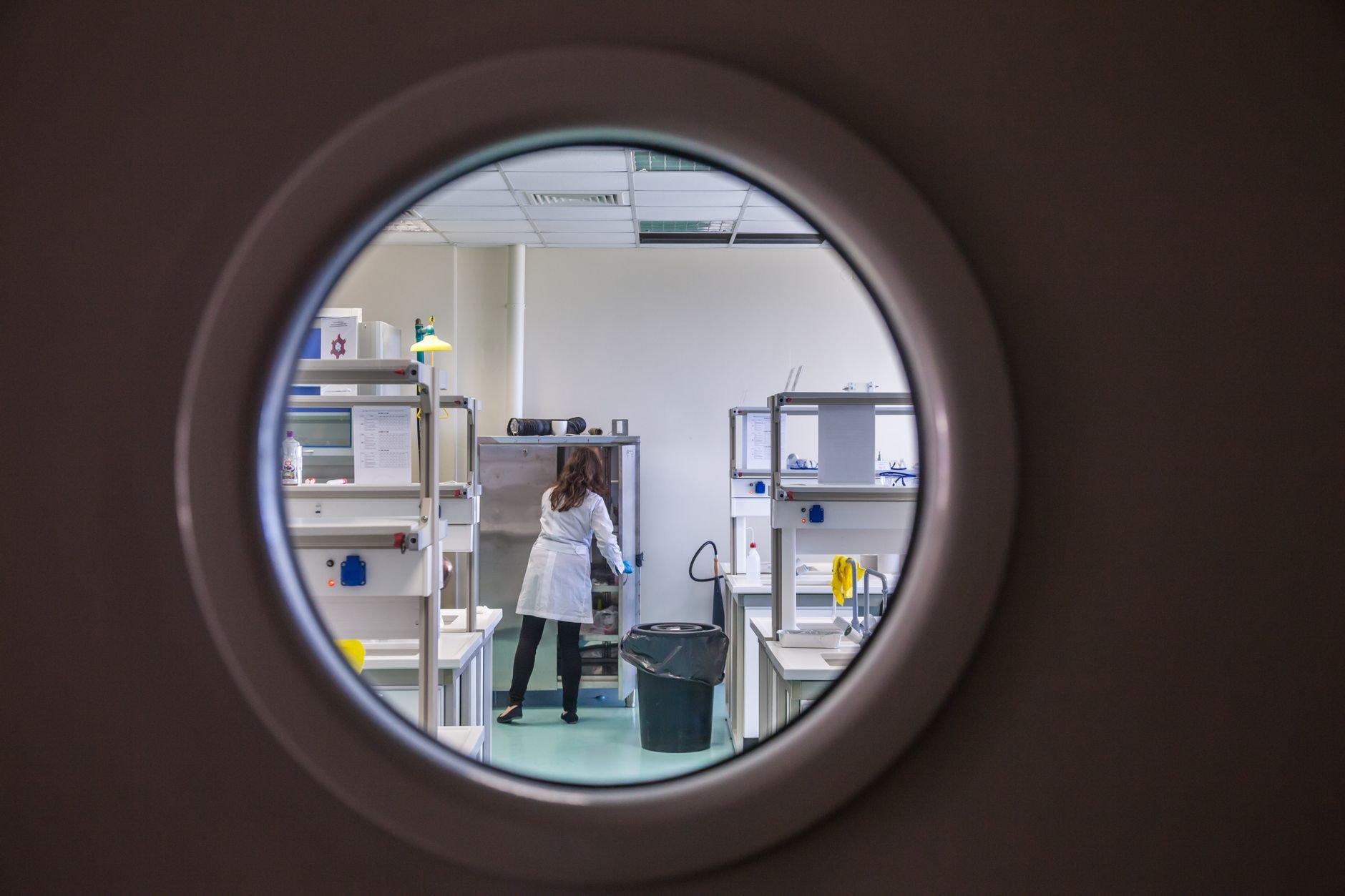
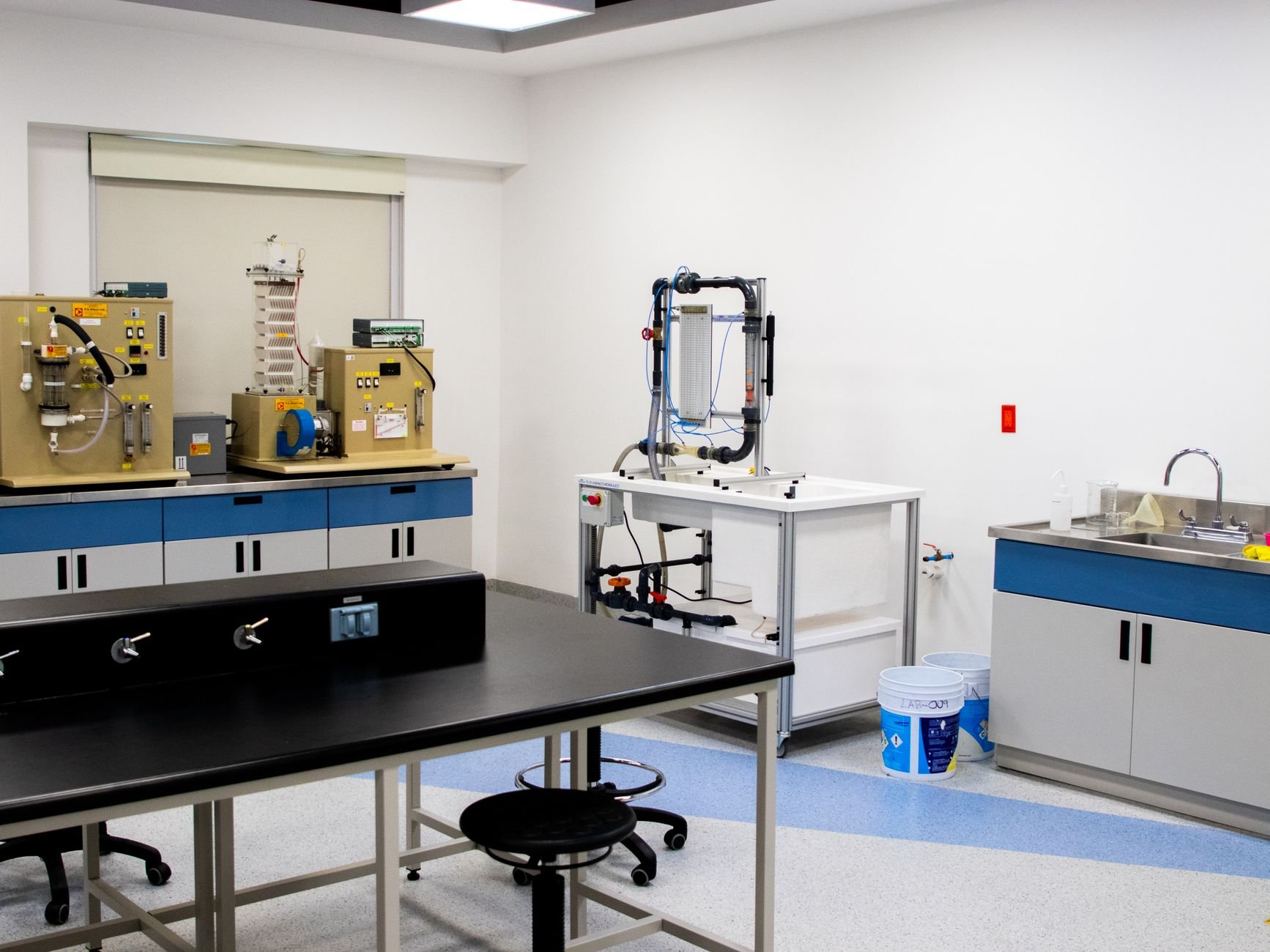
Polytechnique Montréal’s laboratory is now leading Canada’s coordinated research on pandemic preparedness, developing tools and strategies to improve national response capabilities six years after COVID-19 exposed critical gaps.
Polytechnique Montréal’s laboratory is leading a six‑year, federally funded program to develop vaccines, diagnostics, and response protocols, aiming to improve Canada’s readiness for future pandemics after gaps exposed by COVID‑19.
The RCMP recovered an ancient Peruvian ceramic bowl in Montreal on August 17, 2026, after the Peruvian Embassy asked Canada to return it via Global Affairs Canada. The artifact will be sent back to Peru as part of ongoing repatriation cooperation.
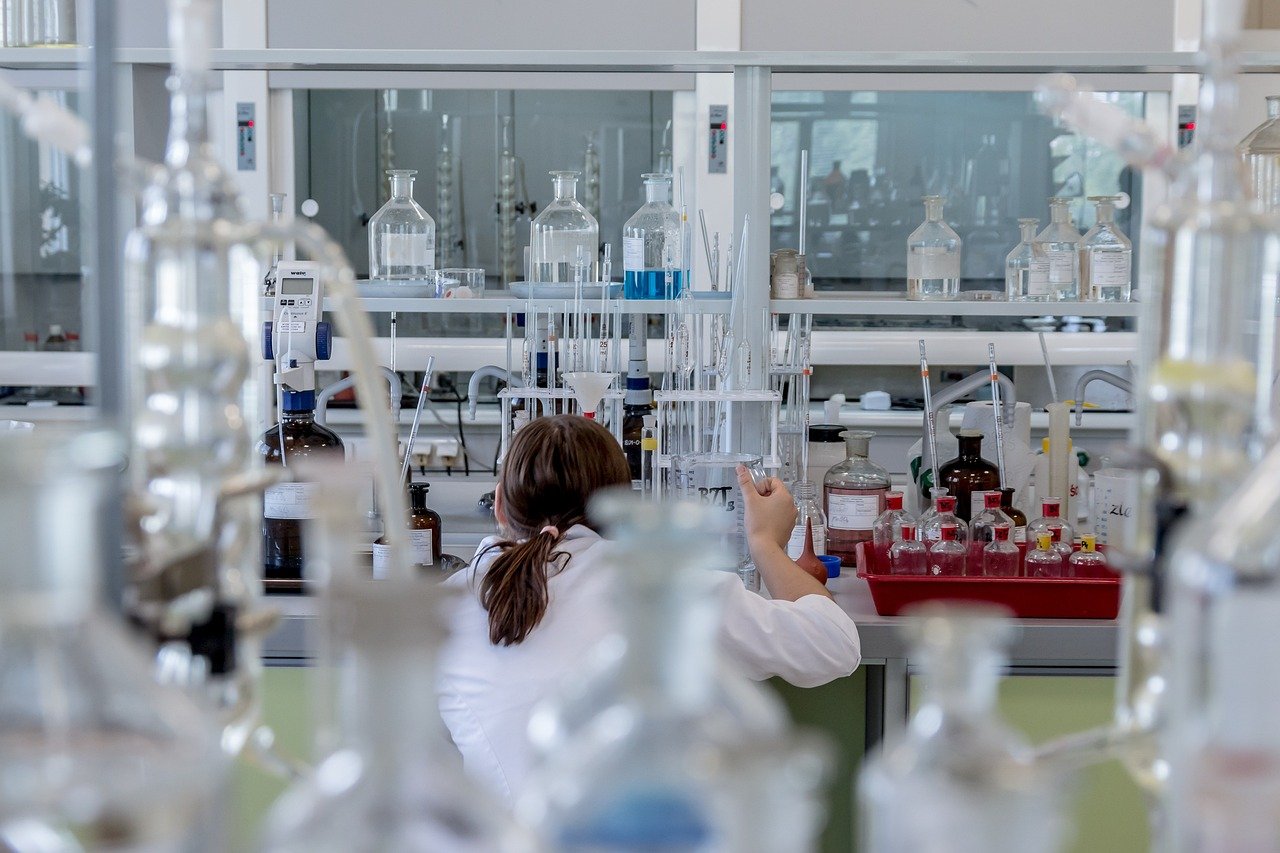
Polytechnique Montréal scientists are growing animal protein in the lab to support Canada’s pandemic preparedness, part of a national push to boost biomedical research and reduce reliance on live animal sources.
Polytechnique Montréal’s laboratory is leading a six‑year research program to strengthen Canada’s pandemic preparedness, addressing gaps revealed by the COVID‑19 outbreak.
Polytechnique Montréal researchers are growing animal proteins in an orange solution to bolster Canada’s pandemic preparedness, part of a wider national effort to expand biomedical research for future disease threats.
Construction on a new wharf began in August 2026 at the Port of Montreal, kicking off a $2.3 billion expansion aimed at boosting capacity and supporting national infrastructure goals.