Saturn and Meteor Showers Brighten NYC Night Sky
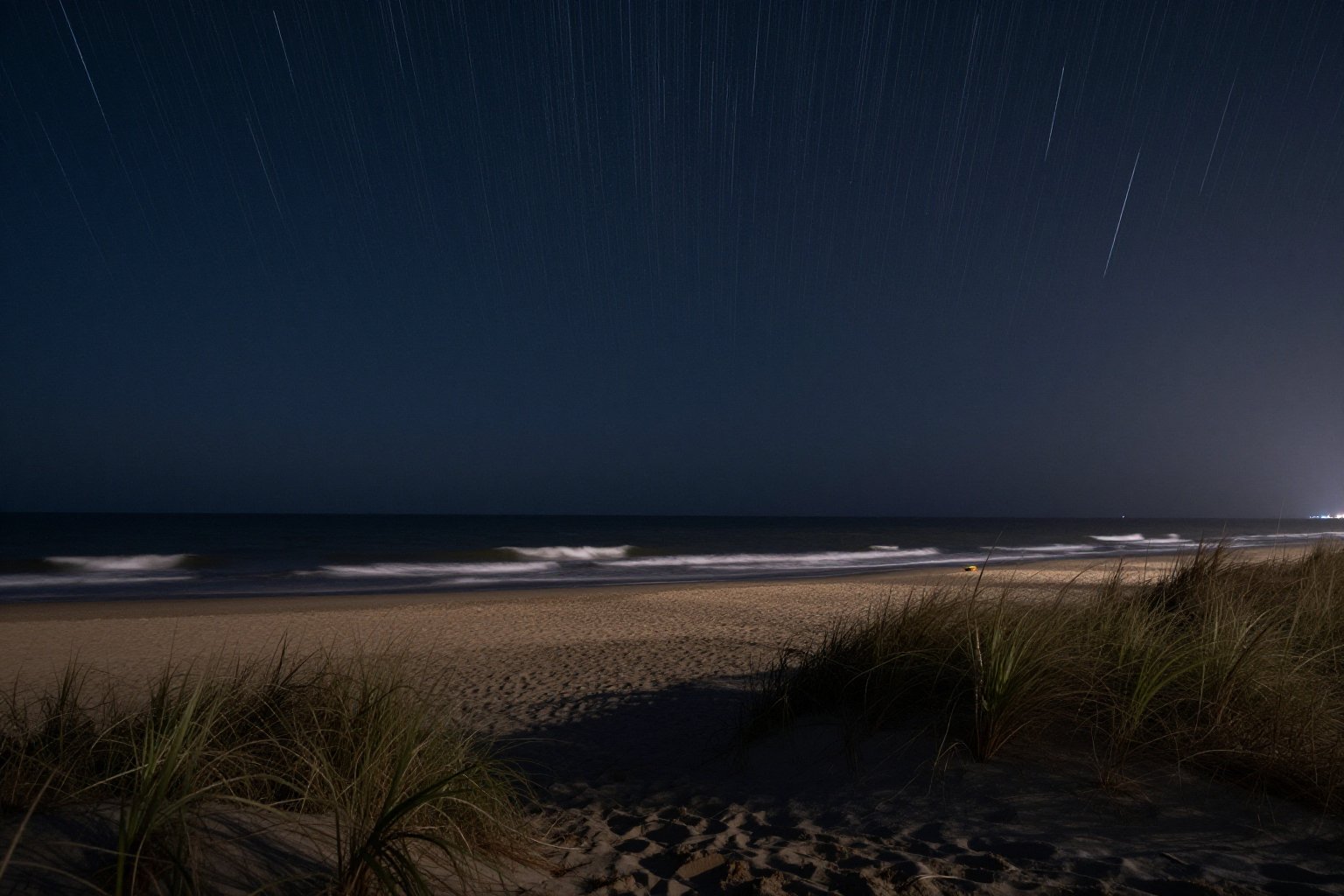
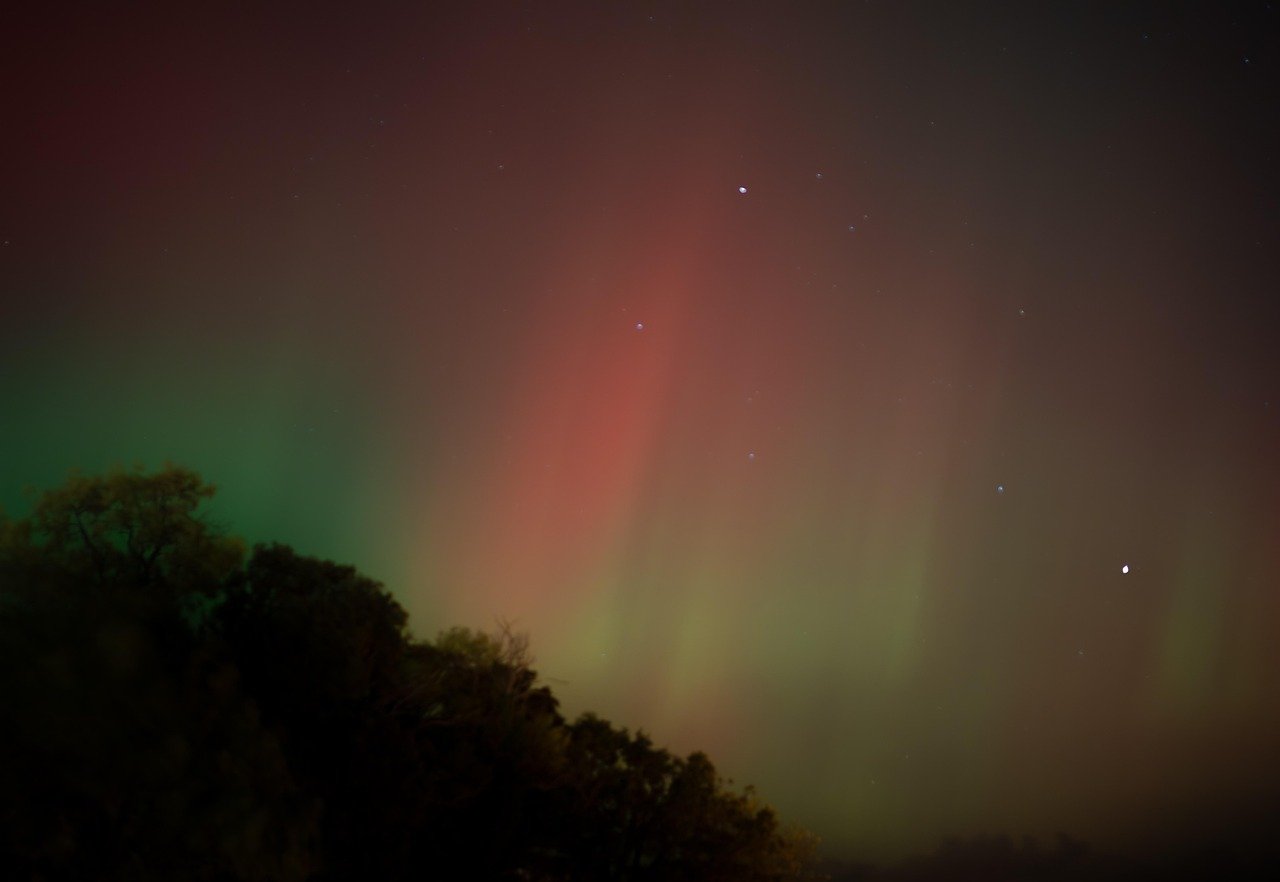
Saturn and two meteor showers will be visible in New York City’s October night sky, offering good stargazing conditions.
Tag
21 storiesnewest firstlatest October 3, 2026page 1 of 2
Saturn and two meteor showers will be visible in New York City’s October night sky, offering good stargazing conditions.
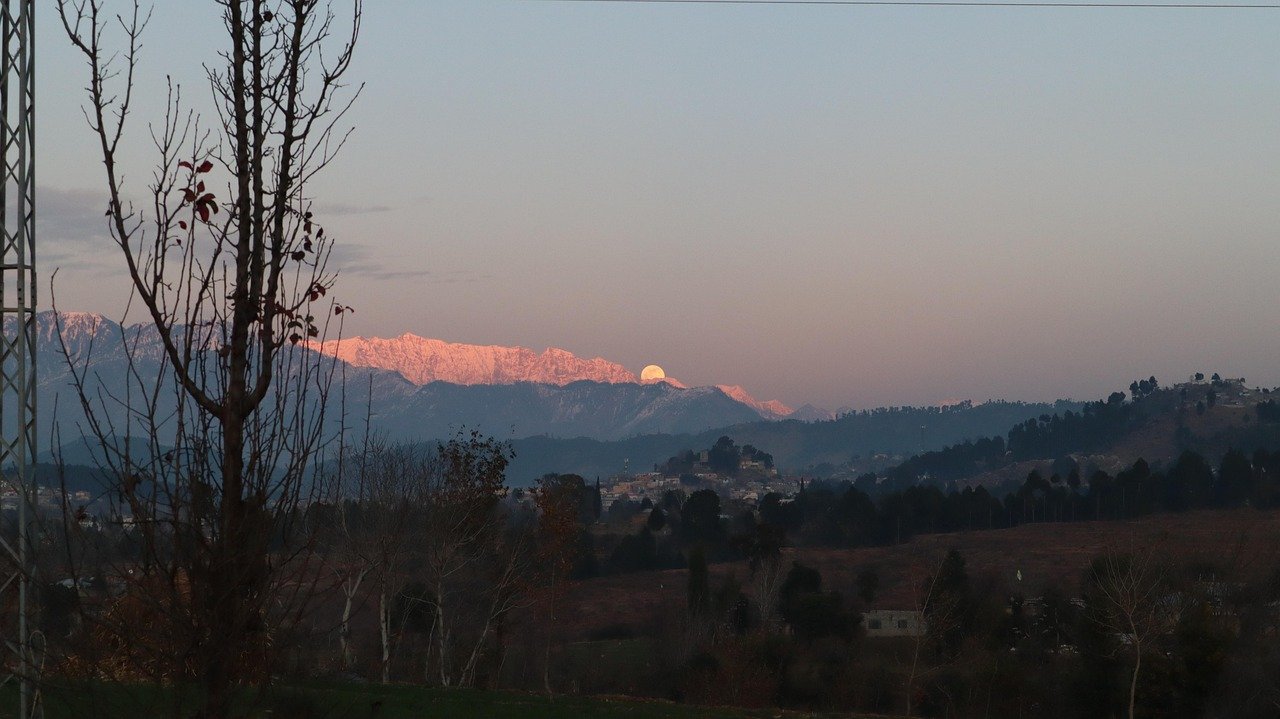
A full Harvest Moon will rise quickly and appear brighter over South Florida on September 26, 2026, due to its low orbital angle. The event is the most prominent celestial display in the region’s September night sky.
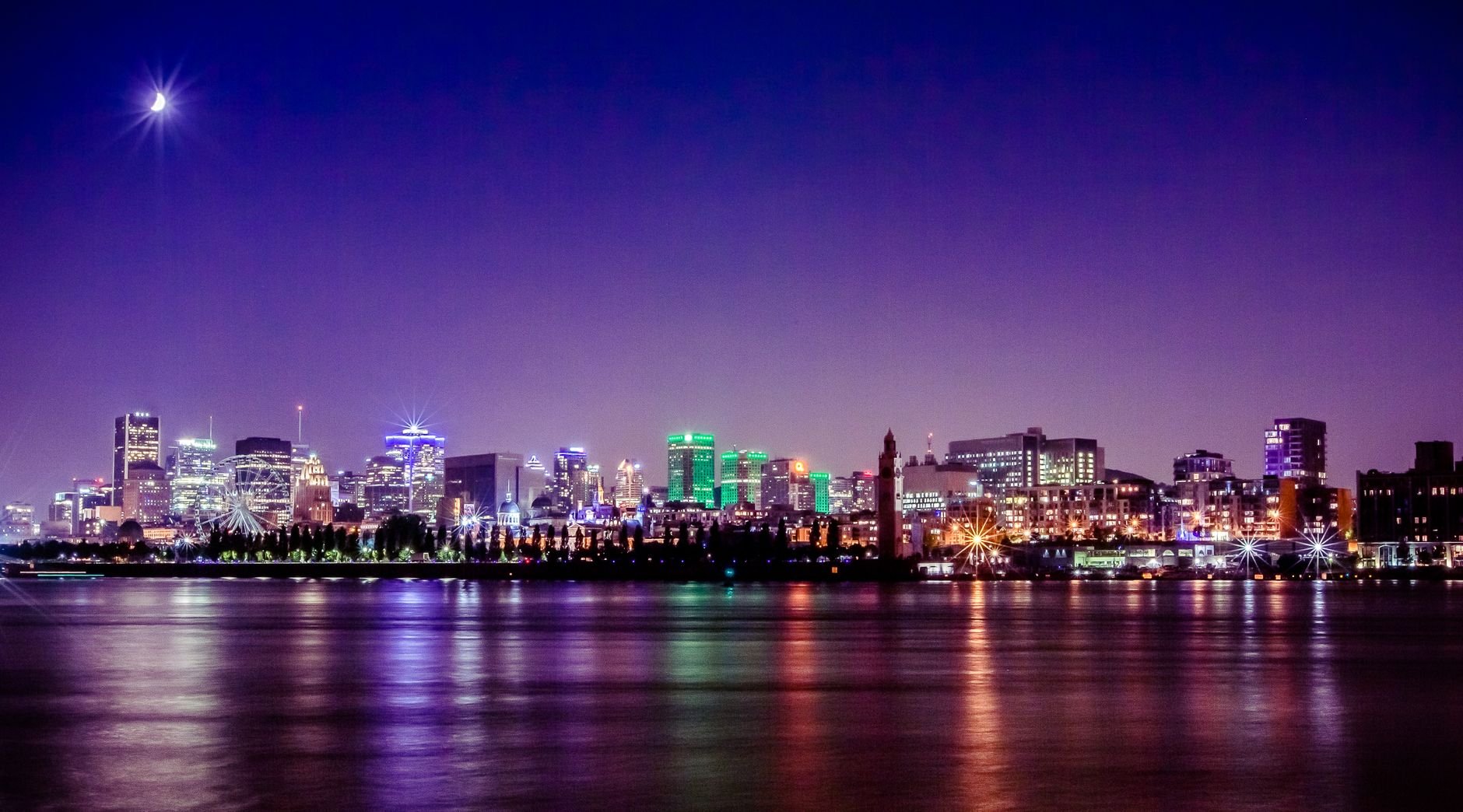
NASA launched the Nancy Grace Roman Space Telescope on August 30, 2026, from Montreal, beginning a mission to discover exoplanets and highlighting two strong ties to Quebec.
NASA launched the Nancy Grace Roman space telescope on August 30, 2026, a mission aimed at finding exoplanets, and highlighted its two strong connections to Quebec, generating local interest in Montreal.
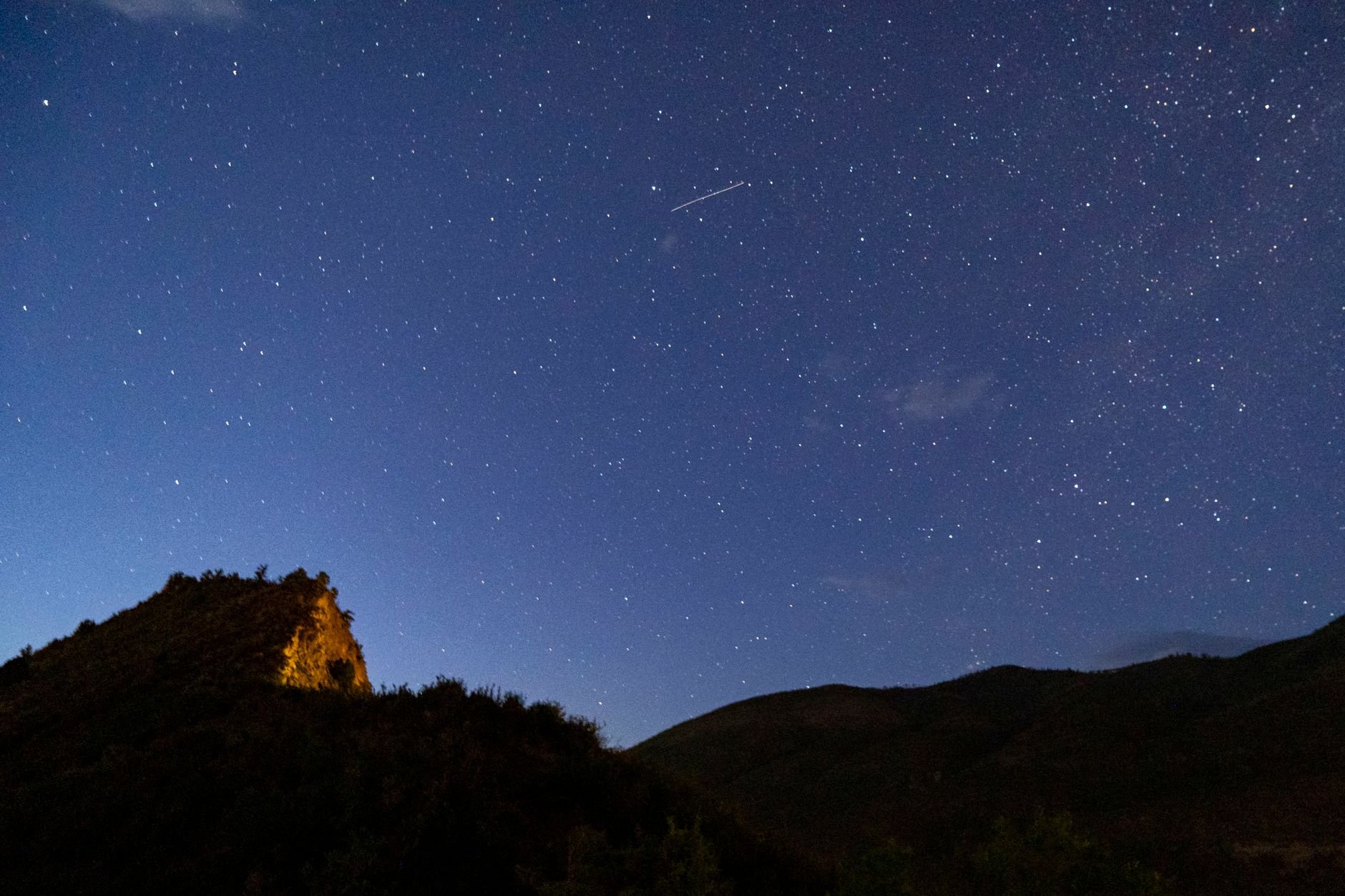
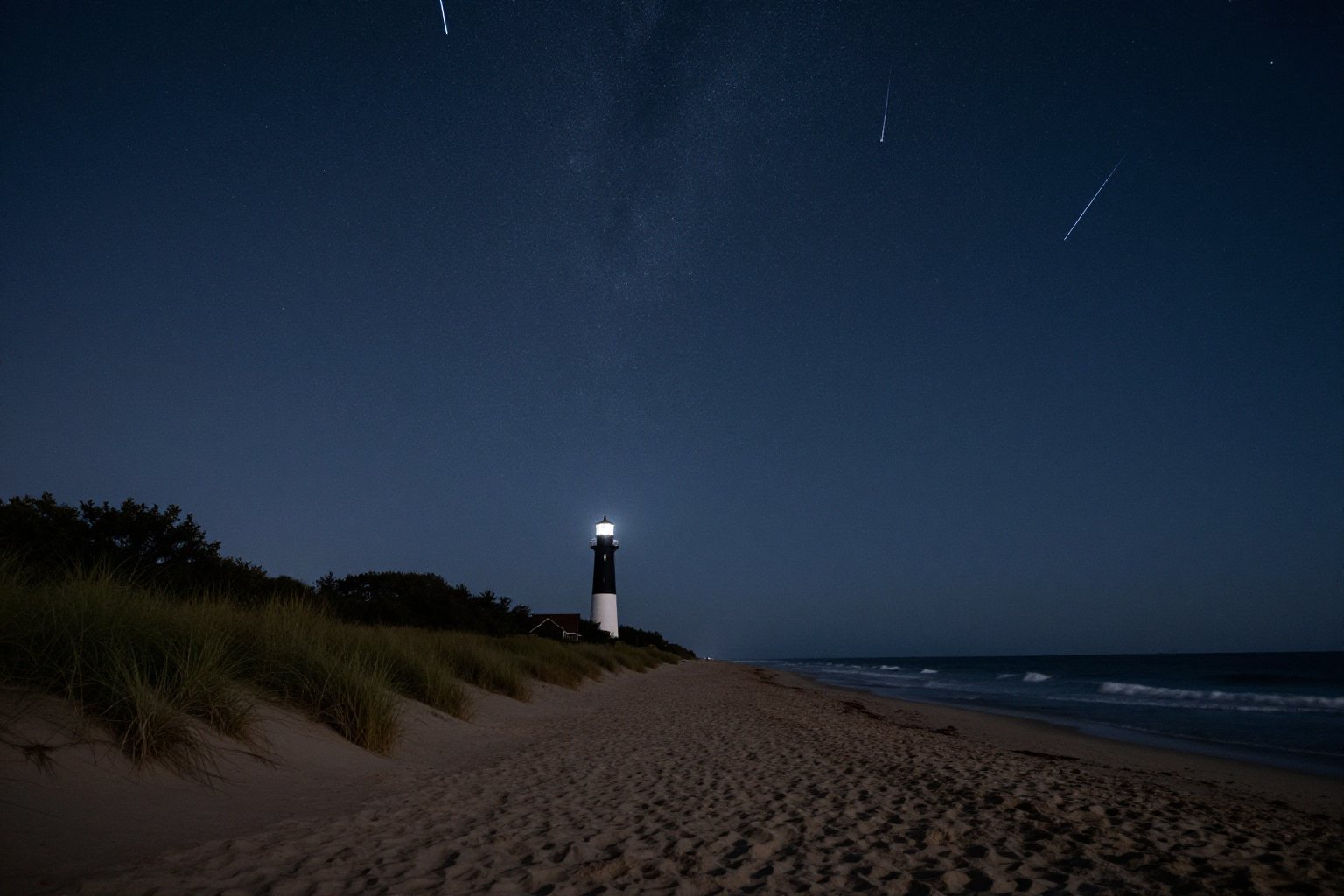
The Press of Atlantic City released a guide listing five meteor showers set to peak later this fall in New Jersey, complete with dates and viewing tips. The article encourages residents to take advantage of the clear autumn nights for stargazing and outdoor recreation.
A near‑total lunar eclipse will be visible over Montreal and much of Quebec tonight, starting at 22:30 and reaching its maximum just after midnight. The event occurs as Earth blocks sunlight from reaching the Moon, casting its shadow across the lunar surface.
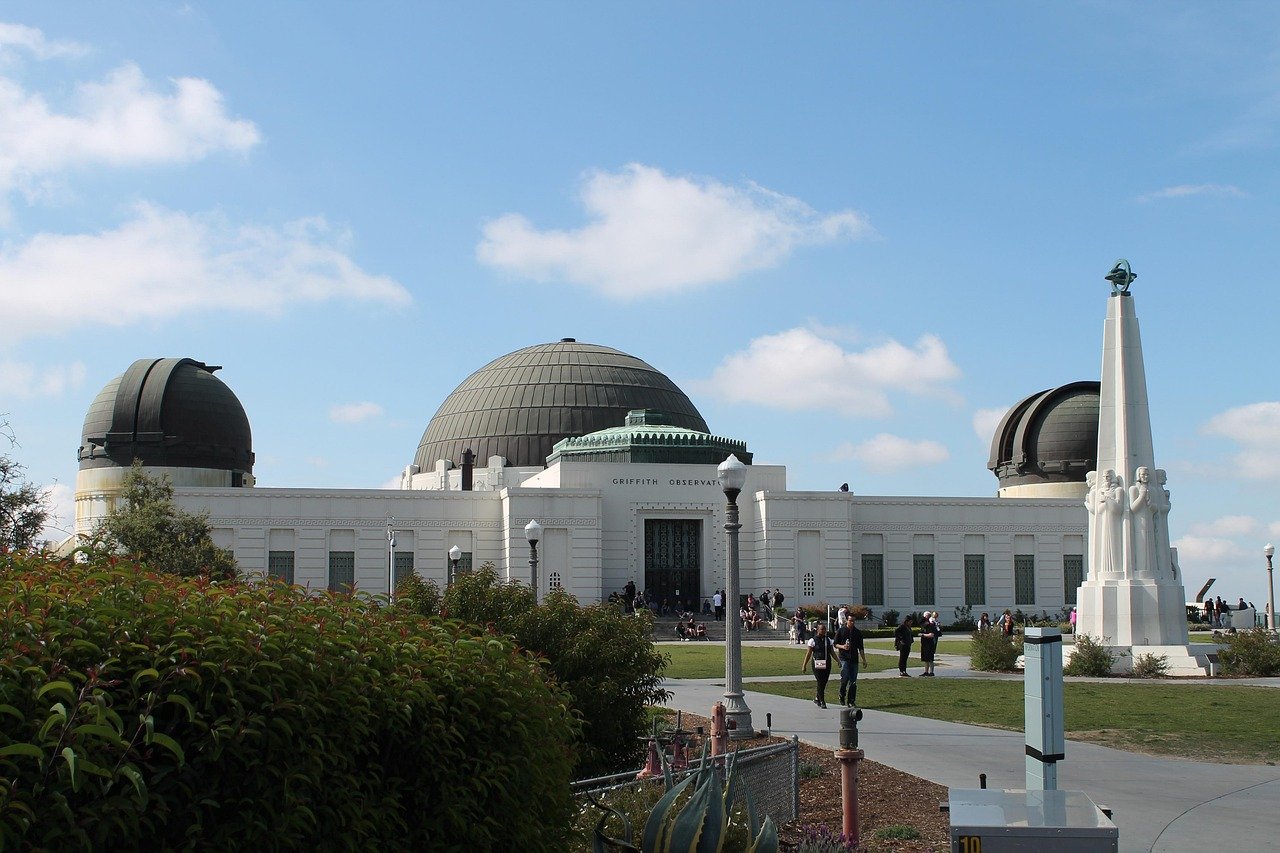
Griffith Observatory will host public and online viewing of a nearly total lunar eclipse on Thursday, August 27, 2026, from 7:25 p.m. to 12:05 a.m., with 96% of the Moon entering Earth’s shadow.
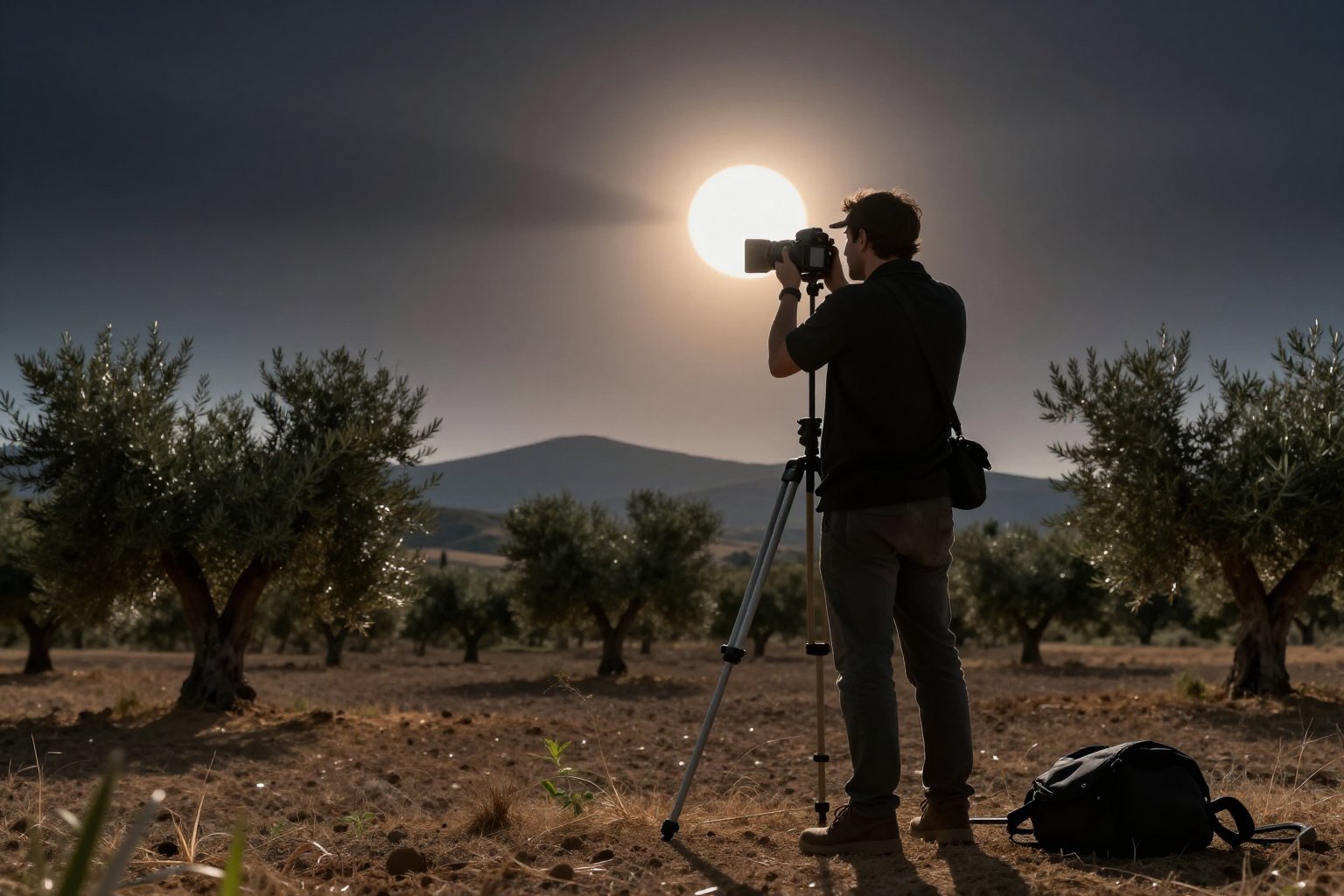
A total solar eclipse will cross Montreal on August 12, 2026, drawing enthusiasm from local astronomers such as Philippe Mousette of the Véga Astronomy Club, who emphasize safety and public outreach for the rare event.
Ontario residents can watch the annual Perseid meteor shower on August 12‑13, 2026, as Earth passes through comet Swift‑Tuttle’s debris, according to CBC Toronto’s Alejandrina Alvarez.
A rare celestial phenomenon will be visible across Quebec on the night of August 12, 2026, an event astronomers say occurs only occasionally in the province.
Véga astronomy club co‑founder Philippe Mousette traveled to Spain on August 12, 2026 to witness a total solar eclipse, an event that draws global interest and prompted questions about its visibility in Montreal.
On August 12, 2026, a rare celestial phenomenon illuminated the Quebec sky, an uncommon event for the province, drawing widespread public attention.
A partial solar eclipse will dim daylight in New York City on August 12, 2026, from 1:00 p.m. to 2:30 p.m., as the Moon partially covers the Sun.
On August 12, 2026, a rare celestial phenomenon illuminated Quebec’s sky, providing a brief public view of an uncommon astronomical event.
On August 12, 2026, Quebec will experience a rare alignment as a meteor shower occurs simultaneously with a partial solar eclipse, offering a distinctive sky display across the province.
A meteor shower and a partial solar eclipse will occur together over Quebec on August 12, 2026, creating a rare celestial alignment for observers in the province.
On August 12, 2026, the New York, New Jersey and Connecticut region will experience a solar eclipse, a meteor shower and a planetary alignment, offering a rare triple celestial display.
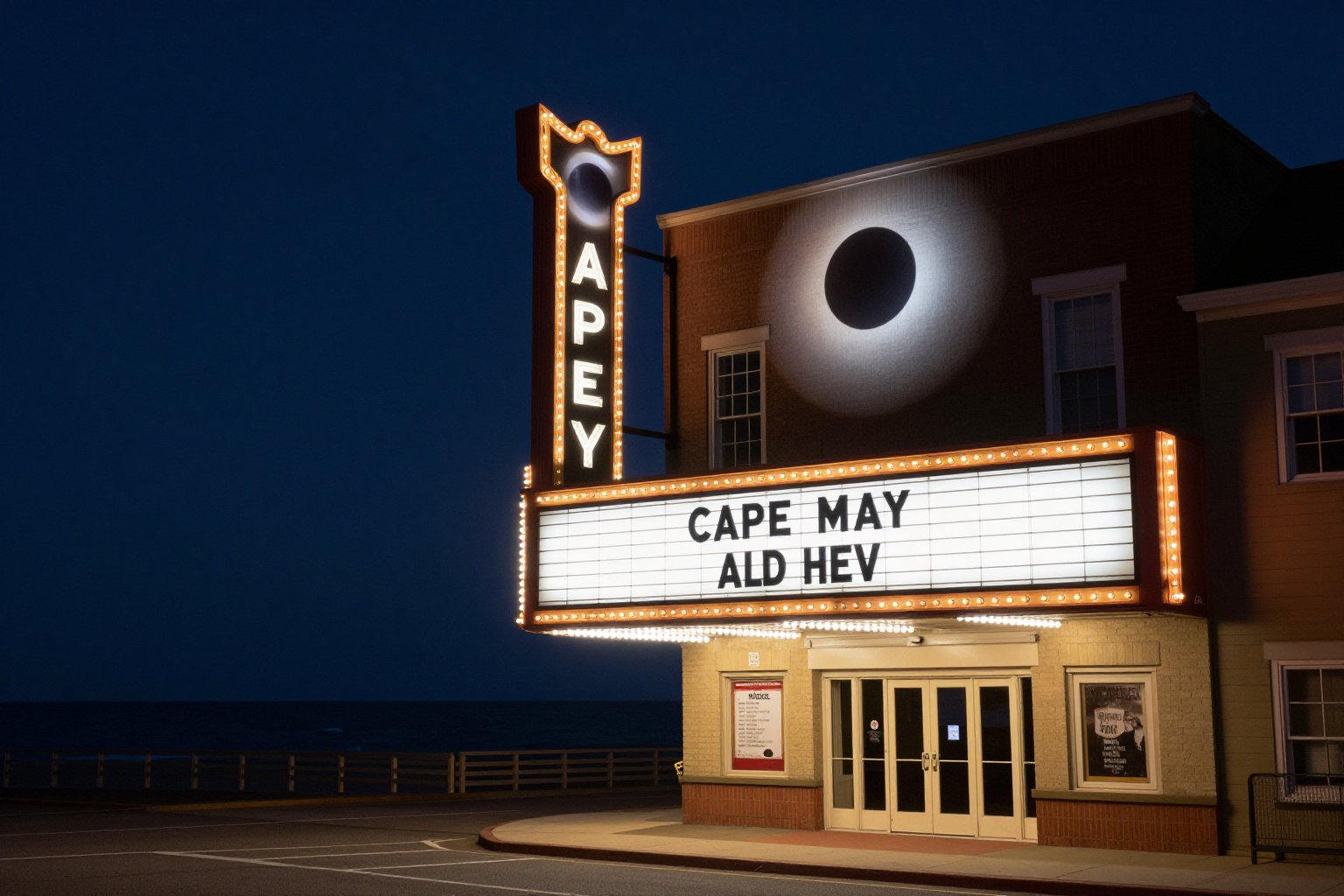
East Lynne Theater Company will premiere Donald Margulies’ play “Lunar Eclipse” at Cape May theater on the night of the August 10, 2026 eclipse, creating a cultural celebration of the celestial event.
The article outlines New Jersey viewing sites for the Perseids meteor shower, peaking Aug. 12‑13, 2026, and provides practical tips for residents and tourists planning a night of stargazing.
A moonless night on August 6, 2026, will give Quebec dark skies, enhancing the early view of the Perseids meteor shower.